Cuscuta schlechteri
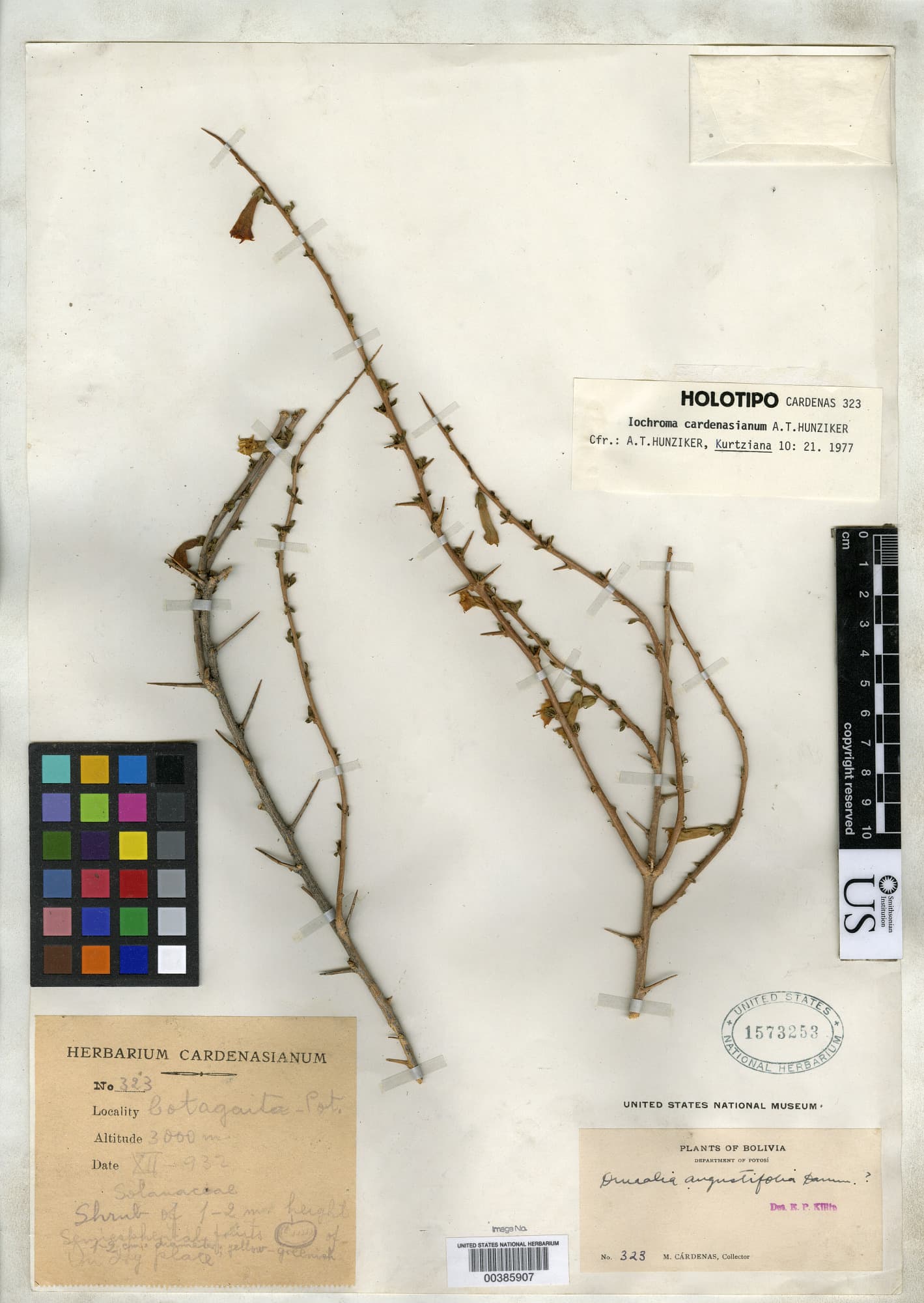
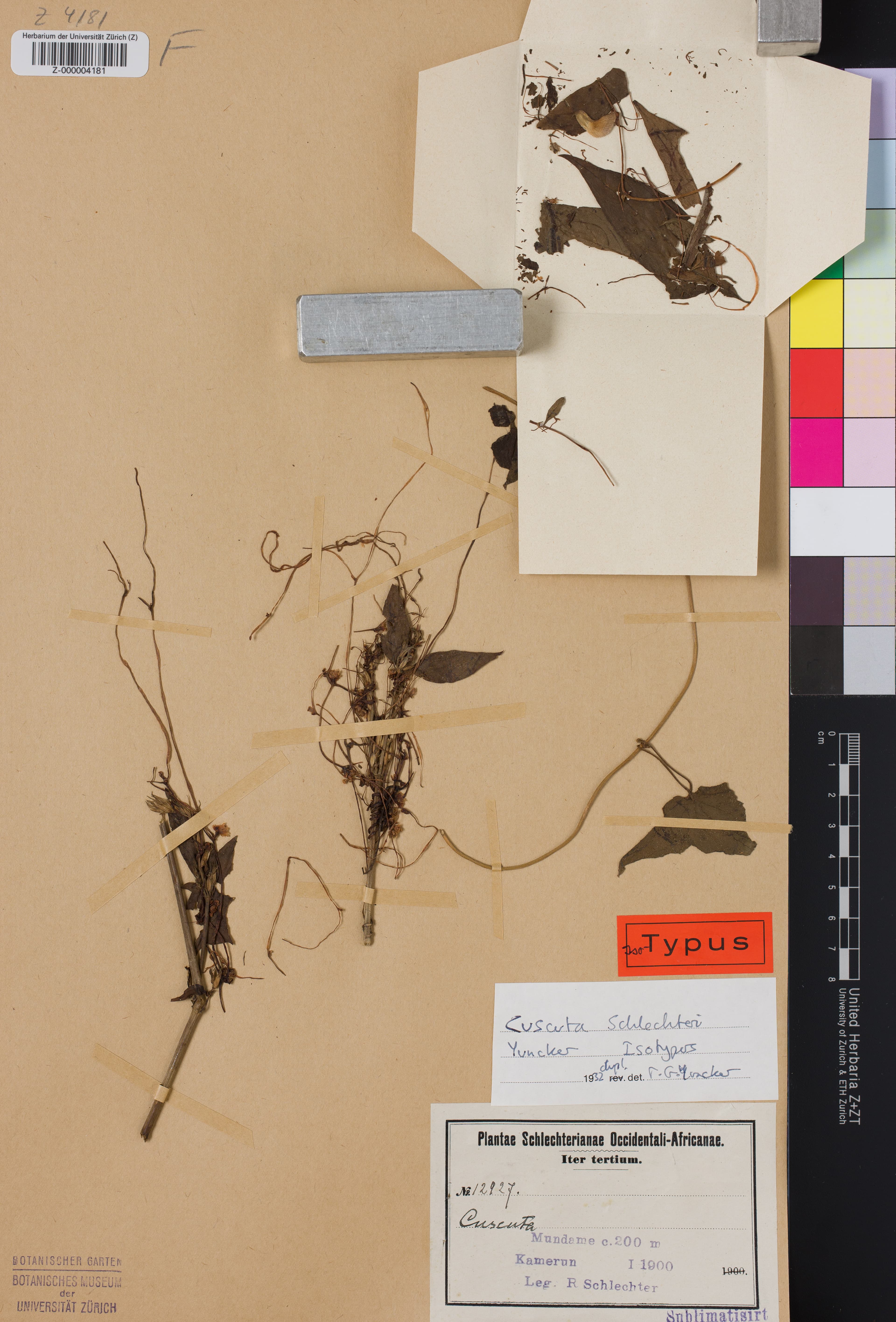
Image: Rudolf Schlechter (cc-by)
NameCuscuta schlechteri
Scientific NameCuscuta schlechteri
Common NamesDodder
Plant FamilyConvolvulaceae
Natural HabitatAs a parasitic plant, its habitat is defined by the presence of suitable host plants. The specimen was collected in Cameroon at approximately 200 meters elevation, indicating a tropical to subtropical environment.
Parts Usedwhole_plant,seed
Medicinal Actionsadaptogen, anti-inflammatory, antioxidant
Traditional UsesWhile specific traditional uses for Cuscuta schlechteri are not widely documented, other species of Cuscuta (e.g., C. chinensis) are traditionally used in herbal medicine to tonify the kidneys and liver, improve vision, and treat conditions like impotence, seminal emission, and lower back pain. These general properties may extend to other Cuscuta species.
Active Constituentsflavonoids, lignans, polysaccharides
Preparation Methodsinfusion, decoction, powder, tincture
Contraindications & WarningsGeneral contraindications for Cuscuta species include pregnancy (due to potential uterine stimulant effects) and conditions of excess heat or damp-heat. Caution is advised for individuals with specific medical conditions or those taking other medications.
Cultivation NotesAs an obligate parasitic plant, Cuscuta schlechteri cannot be cultivated independently. It requires a suitable host plant to germinate and grow, making conventional cultivation challenging for medicinal purposes.
Rarityuncommon
Description
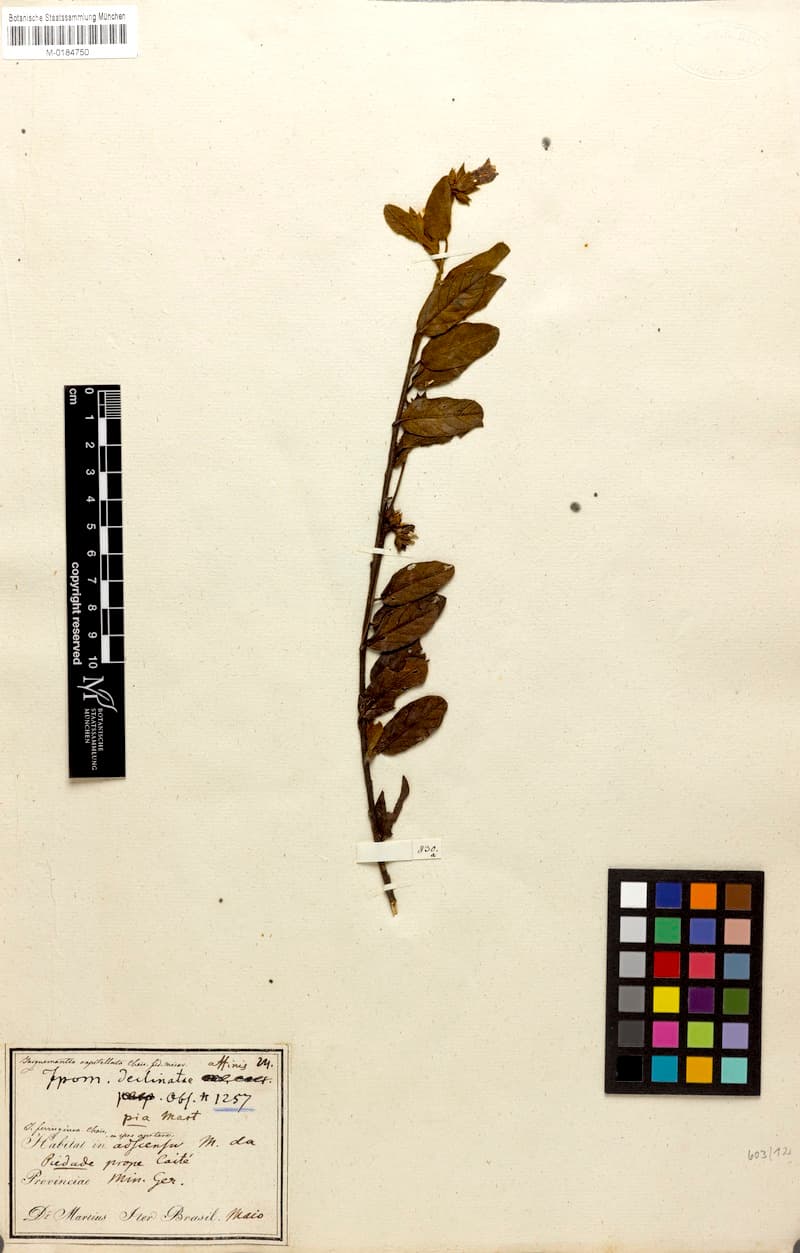
Cuscuta schlechteri is an obligate parasitic plant characterized by its slender, twining, leafless stems that attach to host plants via haustoria. The herbarium specimen shows dried, thread-like stems with small clusters of flowers or fruits, typical of the genus.