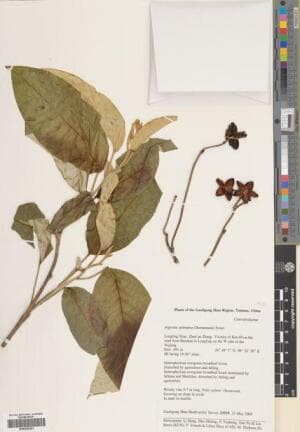
Cuscuta pretoriana
NameCuscuta pretoriana
Scientific NameCuscuta pretoriana
Common NamesDodder, Strangleweed, Love Vine
Plant FamilyConvolvulaceae
Natural HabitatAs a parasitic plant, it grows on a variety of host plants in disturbed areas, fields, roadsides, and natural ecosystems, particularly in its native Southern Africa.
Parts Usedwhole_plant,seed
Medicinal Actionsantioxidant, anti-inflammatory, diuretic, adaptogen
Traditional UsesTraditionally, species of Cuscuta, including related varieties, have been used to support kidney and liver function, improve vision, and address issues like impotence, premature ejaculation, and frequent urination. It is often considered a general tonic for vitality and reproductive health.
Active ConstituentsFlavonoids, Lignans, Polysaccharides, Coumarins
Preparation Methodsinfusion, decoction, powder, tincture
Contraindications & WarningsCaution is advised for pregnant or nursing women. Due to potential diuretic effects, it may interact with medications for blood pressure or other diuretics. As with any herbal remedy, consult a healthcare professional, especially if on other medications.
Cultivation NotesCuscuta species are parasitic and cannot be cultivated independently; they require a host plant to survive. They are often considered weeds and are not typically grown for cultivation but rather harvested from wild populations.
Raritycommon
Description
Cuscuta pretoriana is a parasitic annual plant characterized by its thin, thread-like, yellowish-orange stems that twine around host plants. It lacks true leaves and chlorophyll, relying entirely on its host for nutrients, and produces clusters of small, whitish or cream-colored flowers.