Cuscuta odontolepis
NameCuscuta odontolepis
Scientific NameCuscuta odontolepis
Common NamesDodder, Love Vine, Strangleweed, Tooth-scale Dodder
Plant FamilyConvolvulaceae
Natural HabitatThis species is found parasitizing a variety of herbaceous plants and shrubs in arid and semi-arid regions, often in disturbed areas, grasslands, and desert scrub. It is native to the southwestern United States and Mexico.
Parts Usedwhole_plant,seed
Medicinal Actionsadaptogen, antioxidant, anti-inflammatory, diuretic
Traditional UsesTraditionally, various Cuscuta species have been used in herbal medicine as a general tonic, particularly for kidney and liver support, and to enhance reproductive health. It is also used to address issues like urinary problems, skin conditions, and as an adaptogen to support overall vitality.
Active Constituentsflavonoids, lignans, polysaccharides, saponins
Preparation Methodsinfusion, decoction, powder, tincture
Contraindications & WarningsDue to its parasitic nature and potential for strong effects, it is generally contraindicated in pregnancy and lactation. Individuals with specific medical conditions or those on medication should consult a healthcare professional before use.
Cultivation NotesAs a parasitic plant, Cuscuta odontolepis cannot be cultivated independently. It requires a suitable host plant to germinate and grow, making it challenging to cultivate intentionally for medicinal purposes and often considered an agricultural weed.
Raritycommon
Description
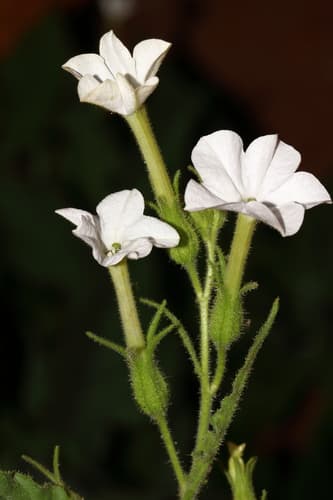
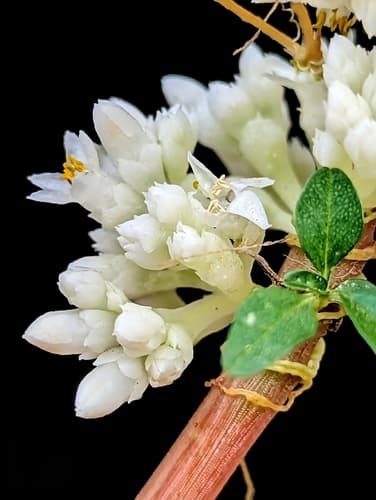
Cuscuta odontolepis is a parasitic annual vine characterized by its slender, yellowish-orange, leafless stems that twine around host plants. It produces dense clusters of small, white to cream-colored flowers, as seen in the image, which are typically bell-shaped with pointed lobes.