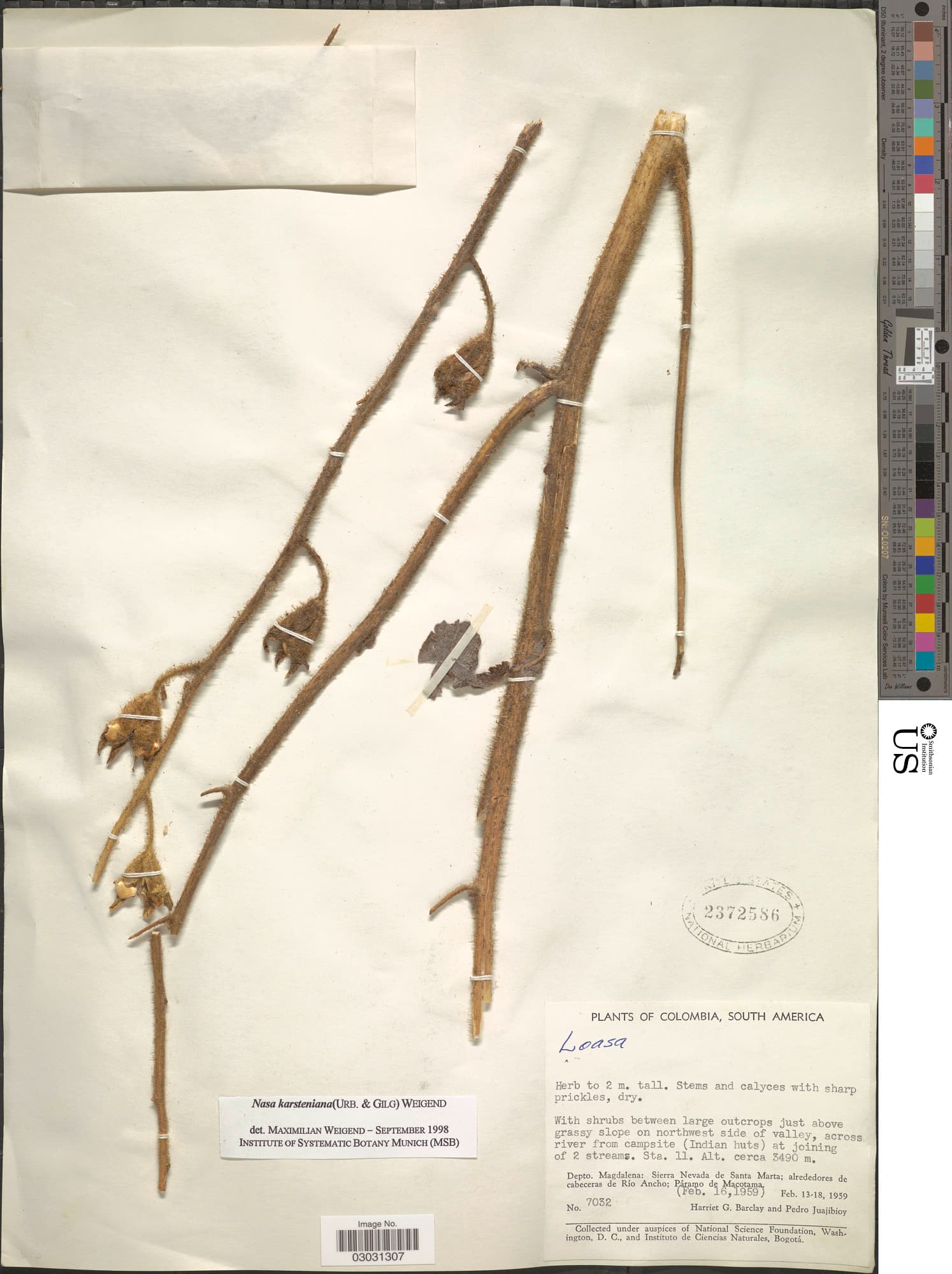
Brunfelsia cuneifolia
NameBrunfelsia cuneifolia
Scientific NameBrunfelsia cuneifolia
Common NamesManacá, Kiss-Me-Quick
Plant FamilySolanaceae
Natural HabitatNative to tropical and subtropical regions of South America, particularly Brazil, where it grows in the understory of forests or along forest edges.
Parts Usedroot,bark,leaf
Medicinal Actionsanalgesic, sedative, anti-inflammatory
Traditional UsesTraditionally, various parts of Brunfelsia species, including B. cuneifolia, have been used by indigenous communities for fevers, rheumatism, syphilis, and as a purgative or emetic. Due to its potent toxicity, it is used with extreme caution and in very small, controlled doses, often also in spiritual practices.
Active Constituentsbrunfelsamidine, manacine, scopoletin, alkaloids
Preparation Methodsdecoction, tincture
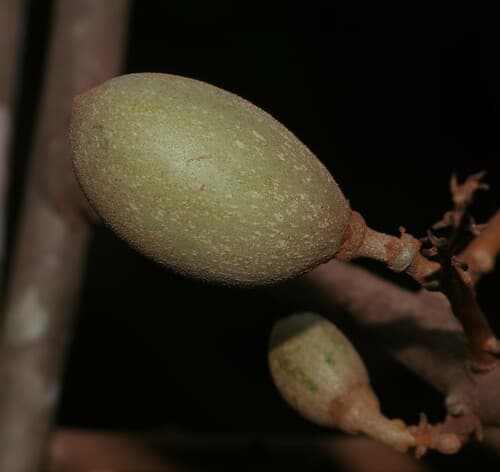
Contraindications & WarningsAll parts of Brunfelsia cuneifolia are highly toxic, especially the roots and fruits. Ingestion can cause severe gastrointestinal upset, tremors, convulsions, paralysis, and respiratory failure. It is not recommended for internal use without expert supervision and extreme caution, and is dangerous for children and pets.
Cultivation NotesThis plant thrives in warm, humid, tropical to subtropical climates. It prefers well-drained, fertile soil and partial shade, making it suitable for cultivation as an ornamental shrub or potted plant.
Raritycommon
Description
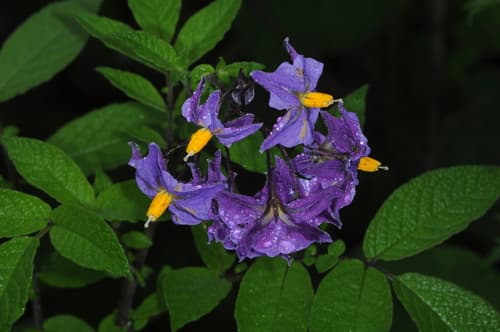
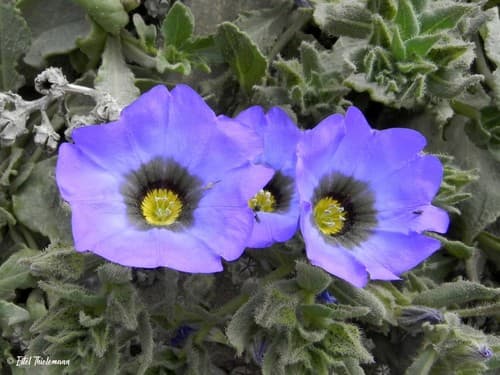
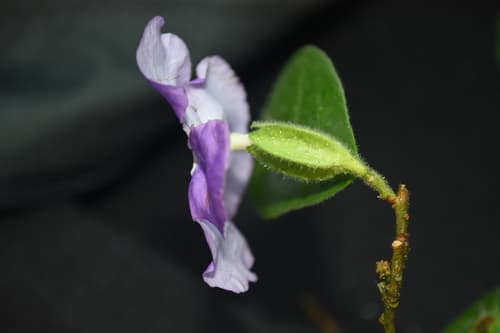
Brunfelsia cuneifolia is a small, evergreen shrub characterized by its small, leathery, dark green leaves and fragrant, trumpet-shaped flowers. The blossoms typically emerge purple and gradually fade to a lighter lavender or white over several days, though the image shows a vibrant purple bloom.