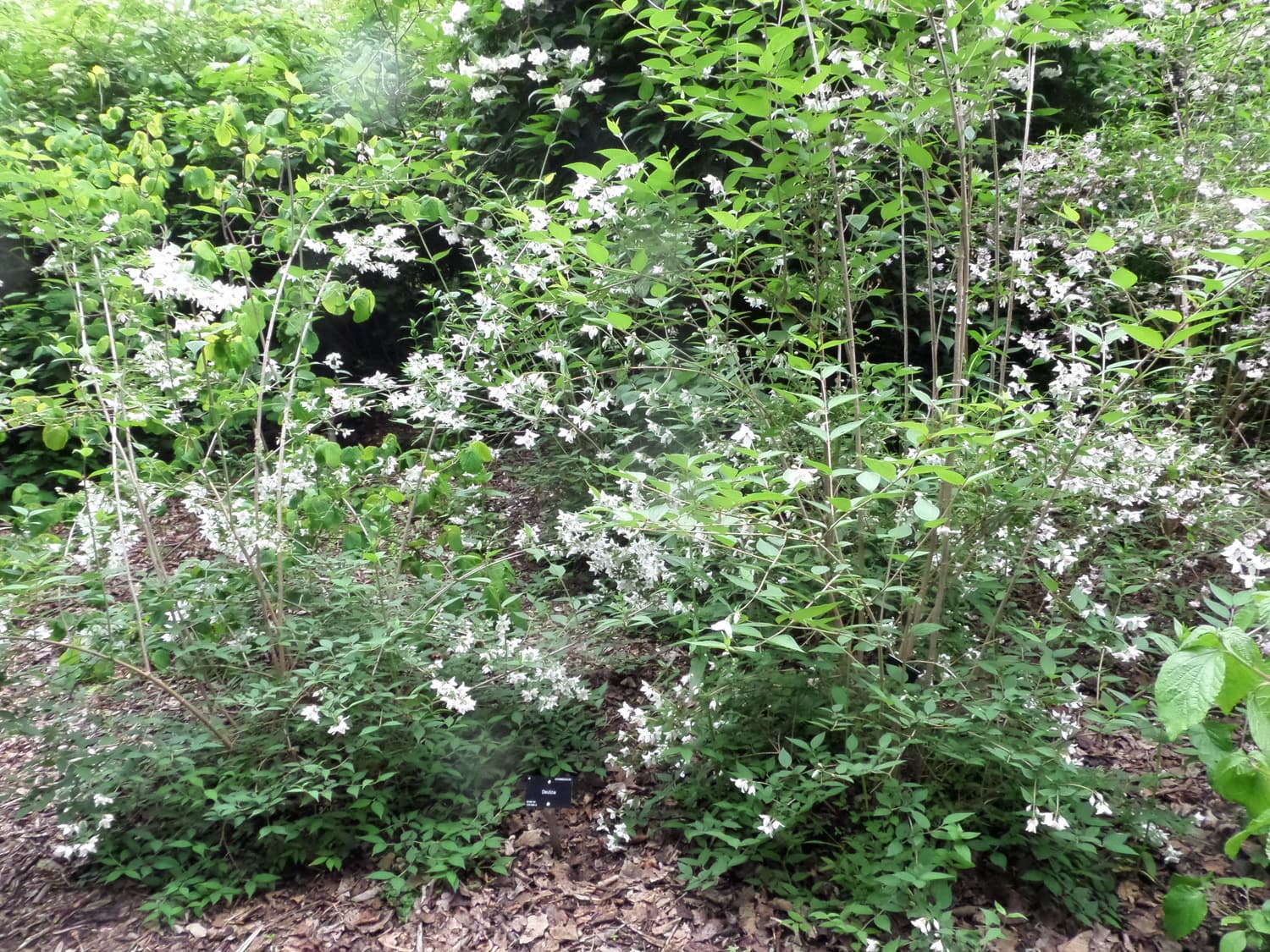
Khat
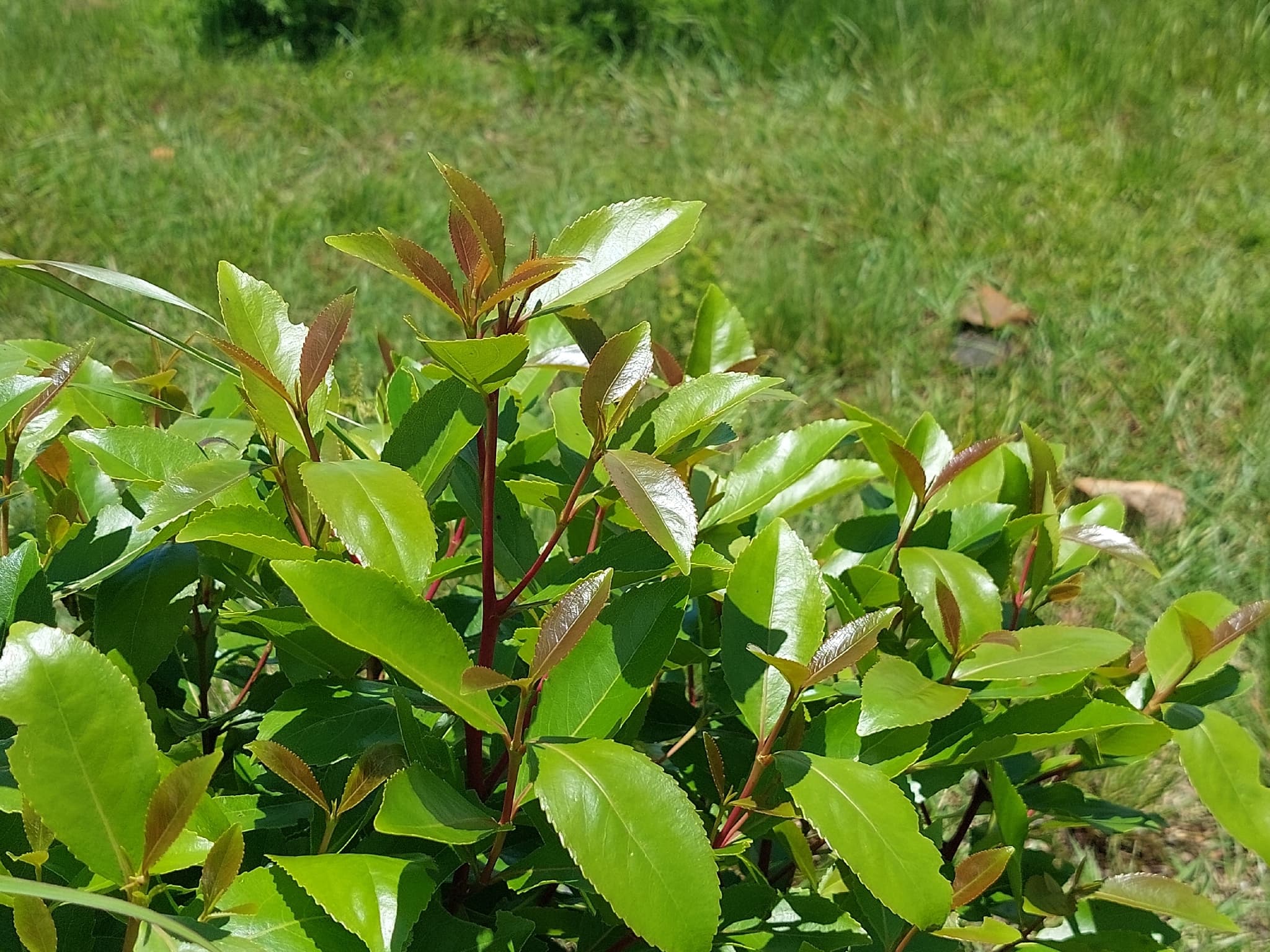
Image: Bart Wursten (cc-by-nc)
NameKhat
Scientific NameCatha edulis
Common NamesKhat, Qat, Chat, Miraa, Abyssinian Tea, Arabian Tea
Plant FamilyCelastraceae
Natural HabitatNative to the Horn of Africa and the Arabian Peninsula, Khat thrives in arid to semi-arid highland regions. It prefers well-drained soils and can be found growing on hillsides and in mountainous areas.
Parts Usedleaf
Traditional UsesTraditionally, fresh khat leaves are chewed for their stimulating and euphoric effects, particularly in social and cultural gatherings. It is used to combat fatigue, increase alertness, suppress appetite, and elevate mood.
Active ConstituentsCathinone, Cathine, Norephedrine, Tannins, Flavonoids
Preparation Methodsinfusion, powder
Contraindications & WarningsKhat use is associated with hypertension, heart conditions, liver damage, and psychiatric disorders such as anxiety and psychosis. It can cause insomnia, addiction, and dental problems, and is contraindicated during pregnancy, breastfeeding, and with certain medications including stimulants and antidepressants.
Cultivation NotesKhat prefers full sun and well-drained soil, tolerating drought once established but benefiting from regular watering. It is sensitive to frost and thrives in warm climates, typically propagated from seeds or cuttings.
Raritycommon
Description
Khat is a slow-growing evergreen shrub or small tree, typically reaching 1-5 meters in cultivation but up to 20 meters in the wild. It features glossy, ovate to lanceolate leaves, often reddish-brown when young, maturing to a vibrant green, and produces small, inconspicuous white to yellowish-green flowers.