Cuscuta goyaziana
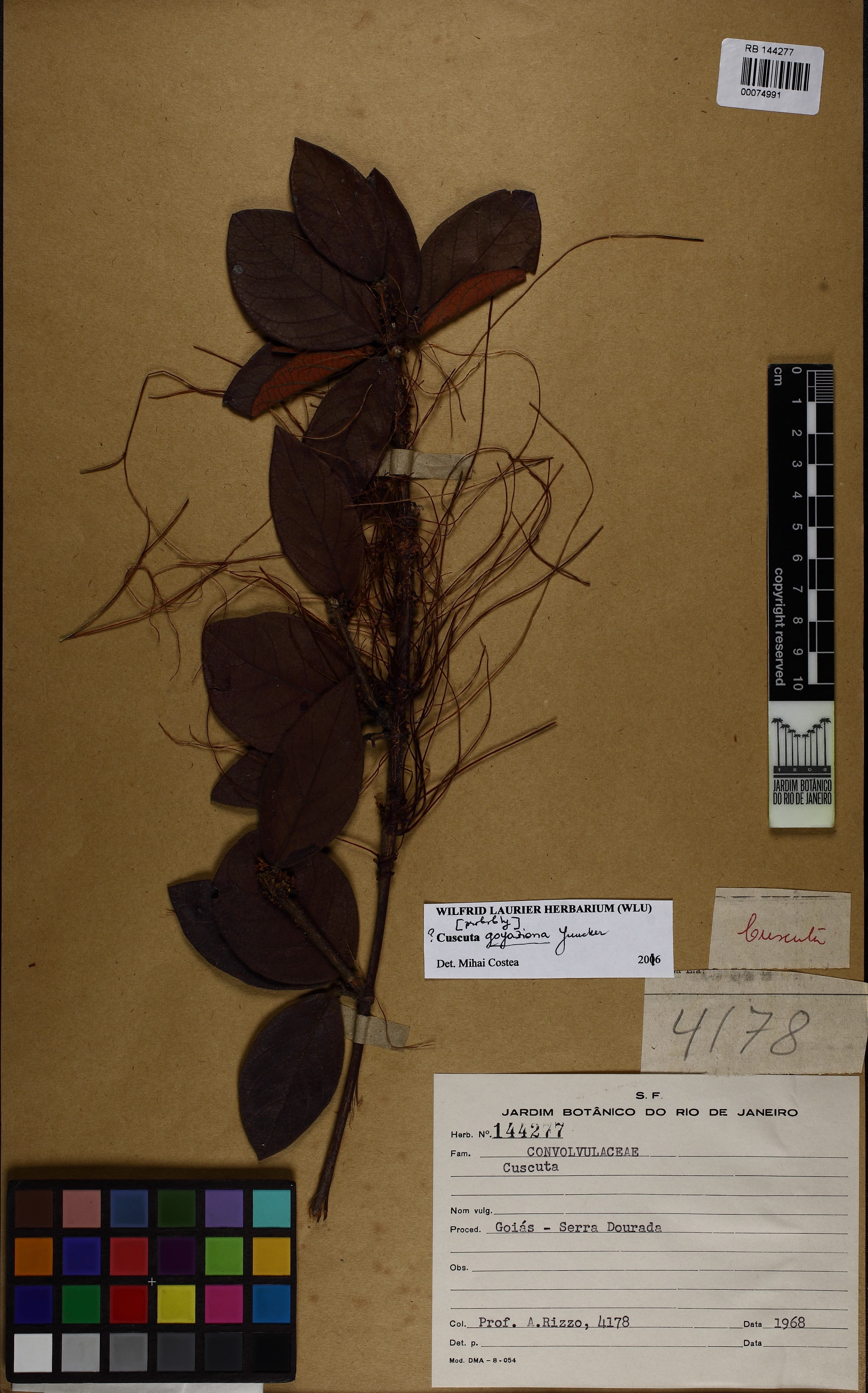
Image: A. Rizzo (cc-by)
NameCuscuta goyaziana
Scientific NameCuscuta goyaziana Yunck.
Common NamesDodder, Cuscuta
Plant FamilyConvolvulaceae
Natural HabitatAs a parasitic plant, Cuscuta goyaziana is found growing on various host plants in tropical and subtropical regions, specifically noted from Goiás, Brazil (Serra Dourada). It thrives in areas where suitable host vegetation is abundant.
Parts Usedwhole_plant,seed
Medicinal Actionsadaptogen, antioxidant, diuretic, anti-inflammatory
Traditional UsesTraditionally, Cuscuta species (especially the seeds, known as Tu Si Zi in Traditional Chinese Medicine) are used to tonify the kidneys and liver, improve vision, and treat conditions like impotence, premature ejaculation, and frequent urination. It is also employed for blurred vision, diarrhea, and to strengthen the spleen.
Active ConstituentsFlavonoids, Lignans, Polysaccharides, Saponins
Preparation Methodsinfusion, decoction, powder, tincture
Contraindications & WarningsPregnant women and individuals with yin deficiency with heat signs should avoid its use. While generally considered safe in moderate doses for humans, large quantities can be toxic to livestock.
Cultivation NotesCuscuta species are obligate parasites and cannot be cultivated independently. They require a living host plant to grow and complete their life cycle, making intentional cultivation for medicinal purposes highly specialized and uncommon.
Raritycommon
Description
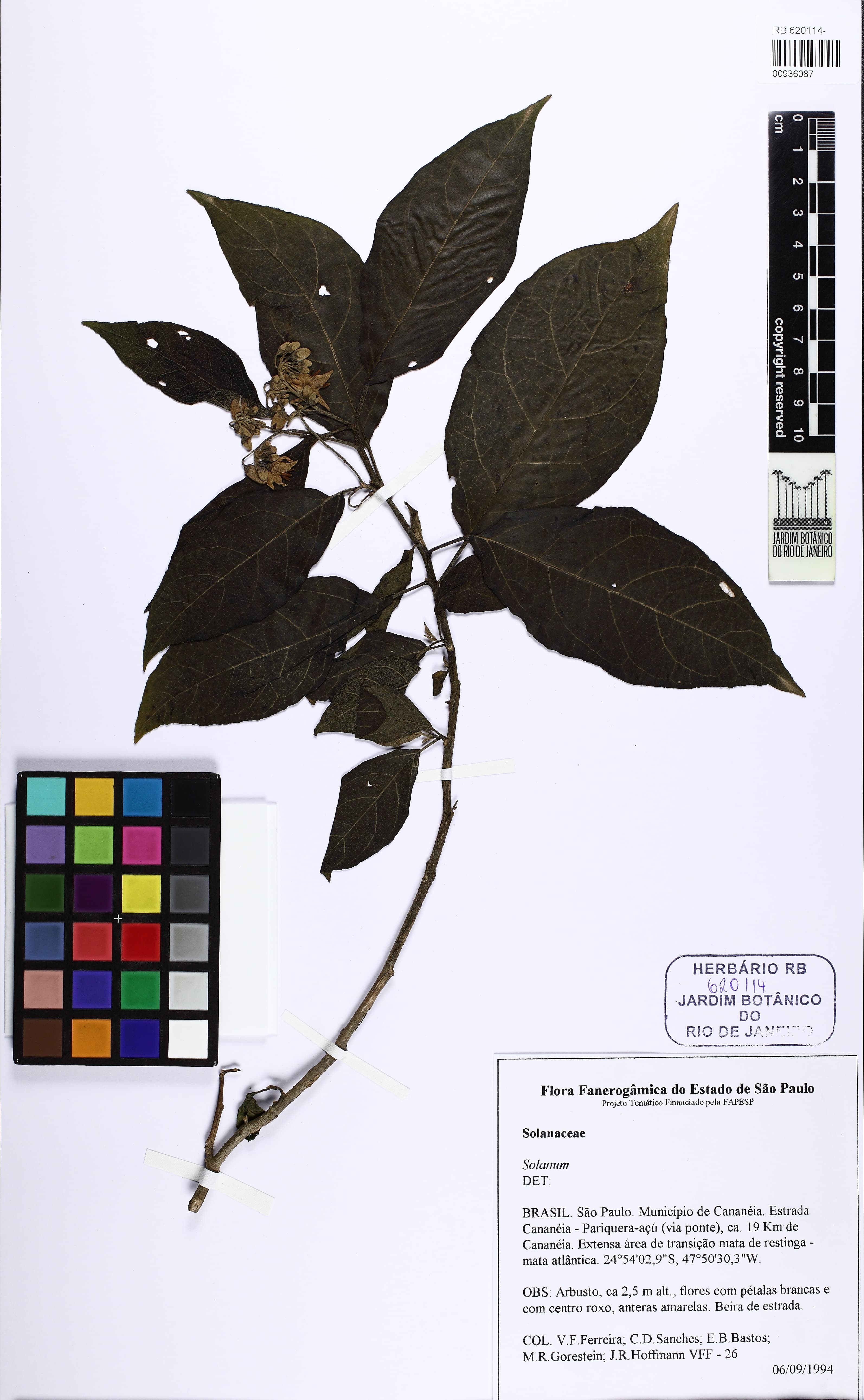
Cuscuta goyaziana is an obligate parasitic vine characterized by its slender, leafless, reddish-brown, thread-like stems that twine around host plants. It lacks chlorophyll and obtains nutrients by penetrating host tissues with haustoria. The herbarium specimen displays these characteristic filiform stems intertwined with the broad, dark leaves of its host.