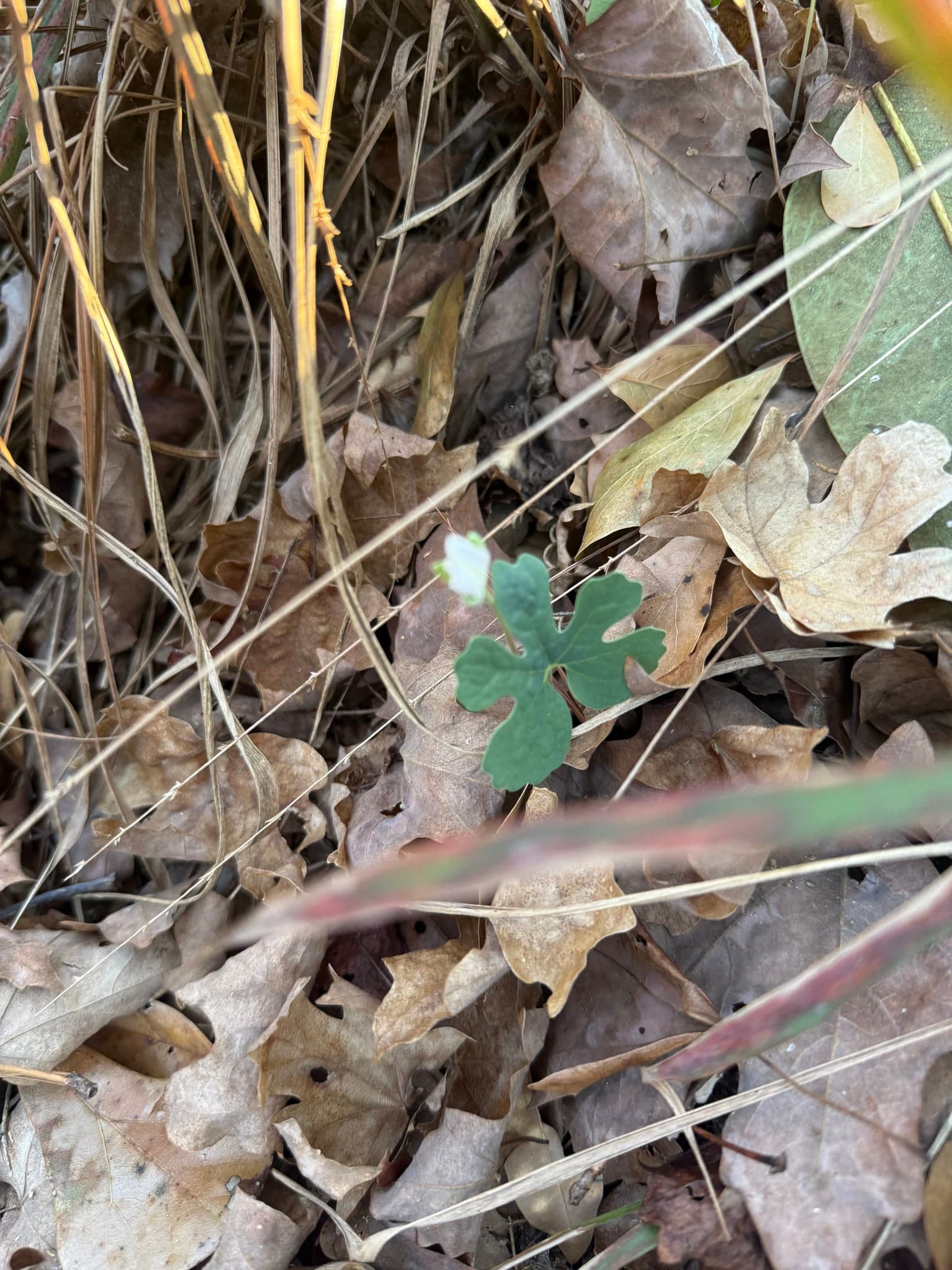
Solanum cornifolium
NameSolanum cornifolium
Scientific NameSolanum cornifolium
Plant FamilySolanaceae
Natural HabitatNative to Central and South America, particularly found in cloud forests, montane forests, and disturbed areas at elevations typically between 1000-3000 meters. It prefers moist, tropical to subtropical climates.
Parts Usedleaf
Medicinal Actionsanti-inflammatory, antimicrobial
Traditional UsesTraditional medicinal uses for Solanum cornifolium are not well-documented in widely accessible ethnobotanical literature. While some Solanum species are used in traditional medicine, often with extreme caution due to toxicity, specific applications for S. cornifolium are scarce. Any potential use would likely be external, such as for skin conditions, given the presence of potentially irritating or toxic compounds.
Active Constituentssteroidal glycoalkaloids
Preparation Methodspoultice
Contraindications & WarningsDue to the presence of steroidal glycoalkaloids common in the Solanum genus, Solanum cornifolium is likely toxic if ingested. Avoid internal consumption. Potential for skin irritation with topical use. Pregnant and breastfeeding women, children, and individuals with liver or kidney conditions should avoid use.
Cultivation NotesPrefers moist, well-drained soil in tropical to subtropical climates. Requires full sun to partial shade. Can be propagated by seed or cuttings. Not typically cultivated for medicinal purposes.
Rarityuncommon
Description
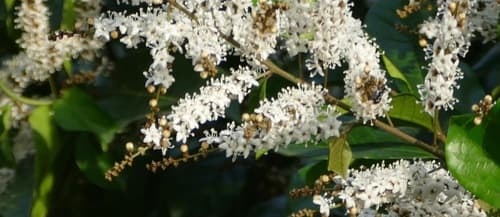
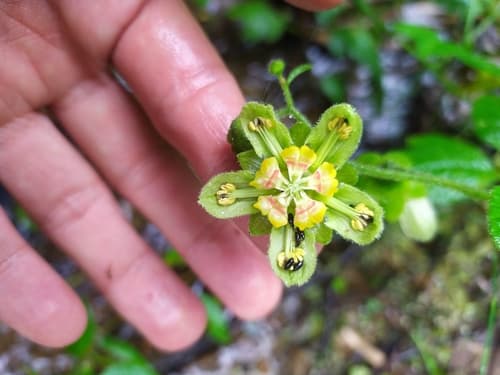
Solanum cornifolium is a shrub or small tree characterized by its white, star-shaped flowers with prominent yellow anthers, typical of the Solanum genus. Its leaves are simple and often hairy, and it produces small, spherical fruits. This species is part of the diverse nightshade family, which includes both edible and highly toxic plants.