Cuscuta friesii
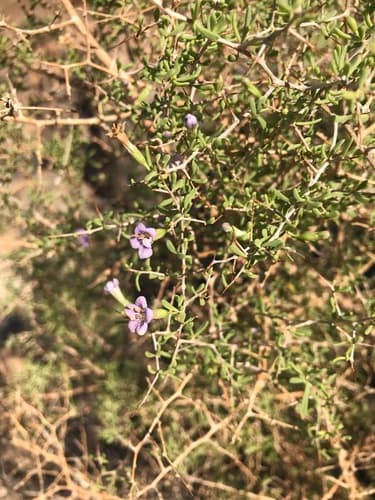
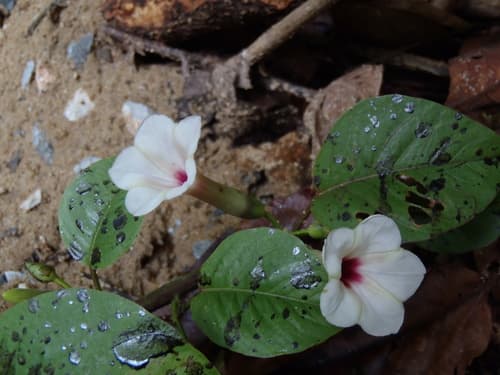
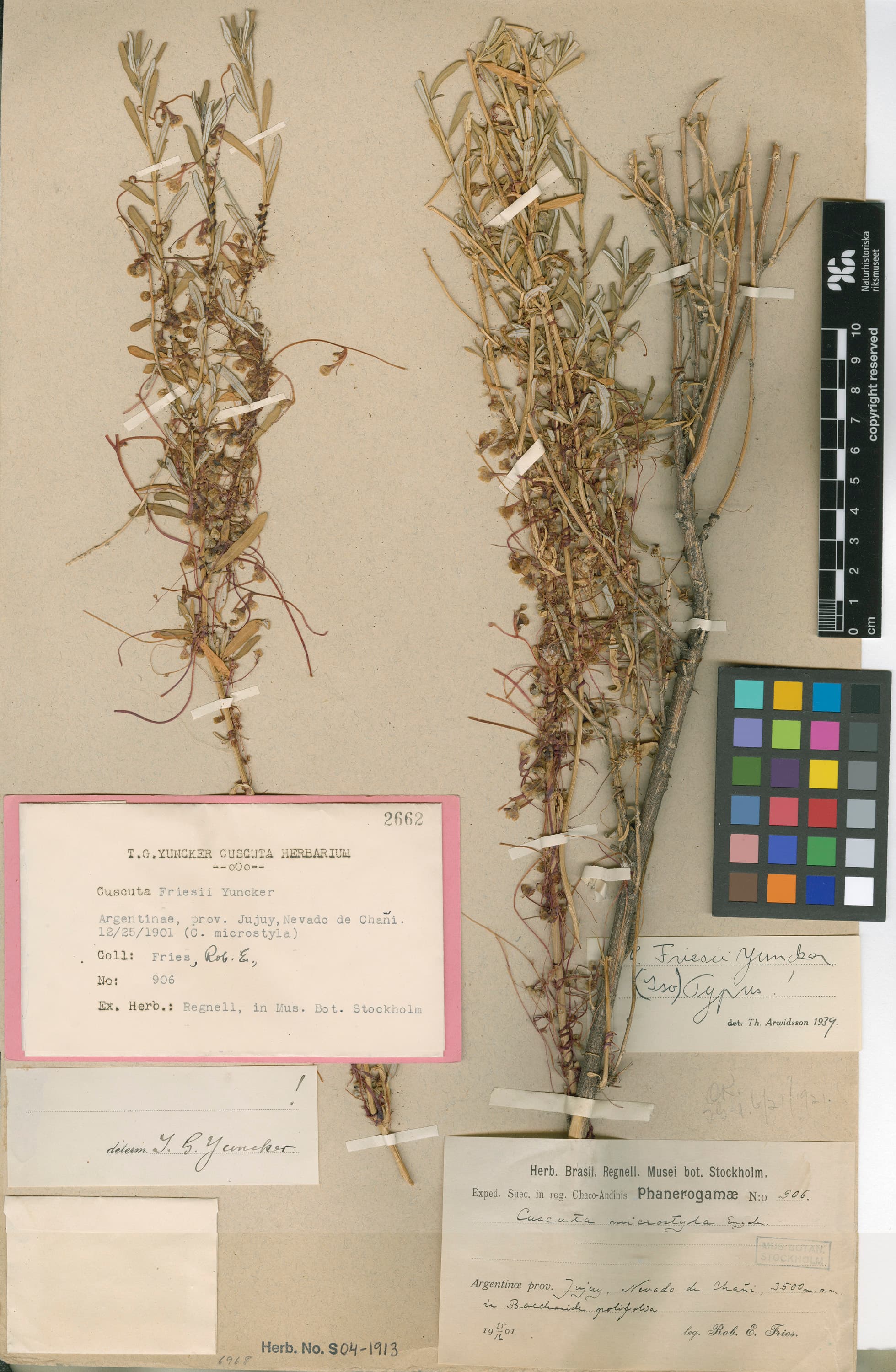
Image: Gunilla Dahlerus Lehman (S) (cc-by)
NameCuscuta friesii
Scientific NameCuscuta friesii Yunck.
Common NamesDodder, Fries' Dodder
Plant FamilyConvolvulaceae
Natural HabitatNative to high-altitude regions of Argentina, specifically documented from Jujuy province, Nevado de Chani at approximately 2500 meters above sea level, often found parasitizing other plants such as species of Baccharis.
Parts Usedwhole_plant,seed
Medicinal Actionsadaptogen, antioxidant, diuretic, anti-inflammatory
Traditional UsesTraditionally, species of Cuscuta are used in various herbal medicine systems to tonify the kidney and liver, improve vision, and treat conditions such as impotence, premature ejaculation, frequent urination, and chronic diarrhea. It is also valued as a general tonic for debility and for promoting longevity.
Active Constituentsflavonoids, lignans, polysaccharides, coumarins
Preparation Methodsinfusion, decoction, tincture, powder
Contraindications & WarningsGenerally contraindicated during pregnancy and lactation. Individuals with yin deficiency with heat signs (in Traditional Chinese Medicine context) or those on blood-thinning medications should use with caution and under professional guidance.
Cultivation NotesAs an obligate parasitic plant, Cuscuta friesii cannot be cultivated independently. It requires a suitable host plant for germination and growth, making controlled cultivation challenging outside of its specific natural ecosystem.
Rarityuncommon
Description
Cuscuta friesii is an herbaceous, parasitic vine characterized by its slender, twining, yellowish to reddish stems that lack true leaves and wrap around host plants. It produces small, clustered flowers and fruits along its stems, drawing nutrients via haustoria.