Ipomoea wangii
NameIpomoea wangii
Scientific NameIpomoea wangii
Common NamesWang's Morning Glory
Plant FamilyConvolvulaceae
Natural HabitatNative to subtropical regions of China, specifically Yunnan and Guangxi provinces, where it is often found growing in disturbed areas, along roadsides, and at forest margins.
Parts Usedleaf,root
Medicinal Actionsanti-inflammatory, antimicrobial
Traditional UsesWhile specific traditional medicinal uses for Ipomoea wangii are not widely documented, other species within the Ipomoea genus have been traditionally used for their anti-inflammatory and antimicrobial properties, often applied topically for skin conditions or internally for various ailments.
Active ConstituentsFlavonoids, Phenolic compounds
Preparation Methodsinfusion, poultice
Contraindications & WarningsAs with many Ipomoea species, internal use without expert guidance is not recommended due to potential toxicity or potent effects. Pregnant or nursing women and individuals with pre-existing conditions should exercise caution.
Cultivation NotesThis vine prefers full sun to partial shade and well-drained soil. It is a vigorous climber and can be grown from seed or cuttings in warm, subtropical climates.
Rarityuncommon
Description
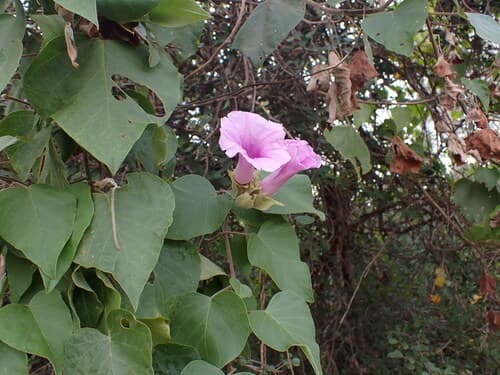
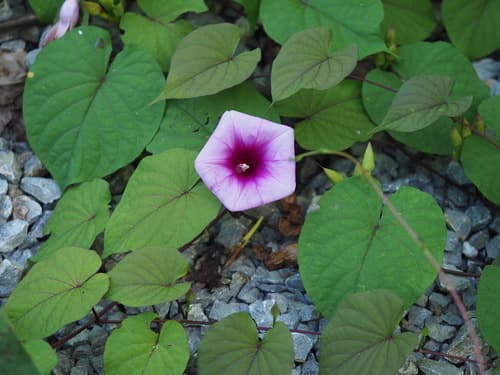
Ipomoea wangii is a perennial herbaceous climbing vine, characterized by its heart-shaped to ovate-cordate leaves, often with reddish venation. It produces attractive funnel-shaped flowers, typically light purple to purplish-red with a darker, more intense throat.