Gariep Honeythorn
NameGariep Honeythorn
Scientific NameLycium cinereum
Common NamesGariep Honeythorn, River Honeythorn, Kaffir-thorn, Cape Honeythorn
Plant FamilySolanaceae
Natural HabitatNative to Southern Africa, particularly along the Orange River (Gariep River) and coastal areas, thriving in arid to semi-arid environments, often in sandy or rocky soils.
Parts Usedfruit,leaf,root
Medicinal Actionsadaptogen, anti-inflammatory, antimicrobial, antioxidant
Traditional UsesIn traditional Southern African medicine, the fruits are eaten for general health and vitality, often considered a tonic. Leaves and roots have been used in decoctions for fevers, colds, and as a general immune-boosting remedy.
Active ConstituentsPolysaccharides, Carotenoids, Flavonoids, Vitamins (C, A)
Preparation Methodsinfusion, decoction, powder
Contraindications & WarningsMay interact with anticoagulant medications (e.g., warfarin) due to potential vitamin K content. Caution is advised for individuals with known allergies to plants in the Solanaceae family.
Cultivation NotesThis plant is highly drought-tolerant and hardy, preferring full sun and well-drained soil. It can be propagated from seed or cuttings and requires minimal water once established.
Raritycommon
Description
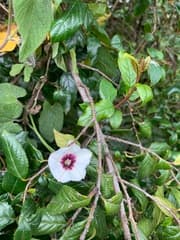
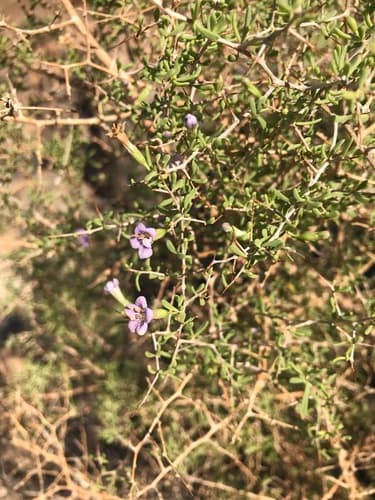
A thorny, scrambling shrub typically growing up to 2 meters tall, characterized by numerous rigid, spiny branches. It bears small, fleshy, grey-green, obovate leaves and small, solitary or paired, pale purple to whitish, tubular flowers, followed by small red berries.