Thorn Bitter Apple
NameThorn Bitter Apple
Scientific NameSolanum incanum
Common NamesThorn Bitter Apple, Bitter Apple, Grey Bitter-apple, Turkey Berry
Plant FamilySolanaceae
Natural HabitatFound in disturbed areas, grasslands, open woodlands, roadsides, and cultivated fields, often in semi-arid to sub-humid regions of Africa, the Middle East, and parts of Asia.
Parts Usedfruit,leaf,root
Medicinal Actionsanti-inflammatory, antimicrobial, analgesic, antioxidant
Traditional UsesTraditionally used for various ailments including skin infections, wounds, pain, fever, coughs, and digestive issues. The fruit is often applied topically for skin conditions or consumed for internal complaints, acting as an anti-inflammatory.
Active ConstituentsSolasodine, Solamargine, Solanine, Flavonoids, Saponins
Preparation Methodsdecoction, poultice, powder
Contraindications & WarningsDue to the presence of steroidal glycoalkaloids, the plant, especially unripe fruits, is considered toxic if ingested in large quantities. Use with caution and under expert guidance. Avoid during pregnancy and breastfeeding. May cause gastrointestinal upset.
Cultivation NotesGrows well in full sun and well-drained soils. Tolerant of drought conditions once established. Can be propagated by seed.
Raritycommon
Description
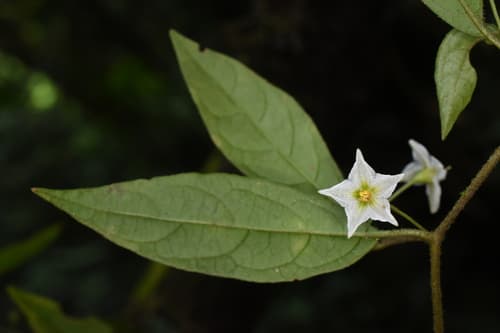
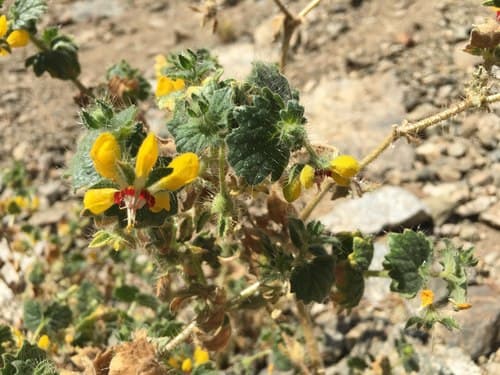
A perennial shrub or subshrub, typically growing up to 1-2 meters tall, often covered in stellate hairs, giving it a grayish appearance. It features deeply lobed to sinuate leaves and produces pale purple to white, star-shaped flowers with prominent yellow anthers, followed by spherical, yellow-orange, bitter fruits.