Cuscuta convallariiflora
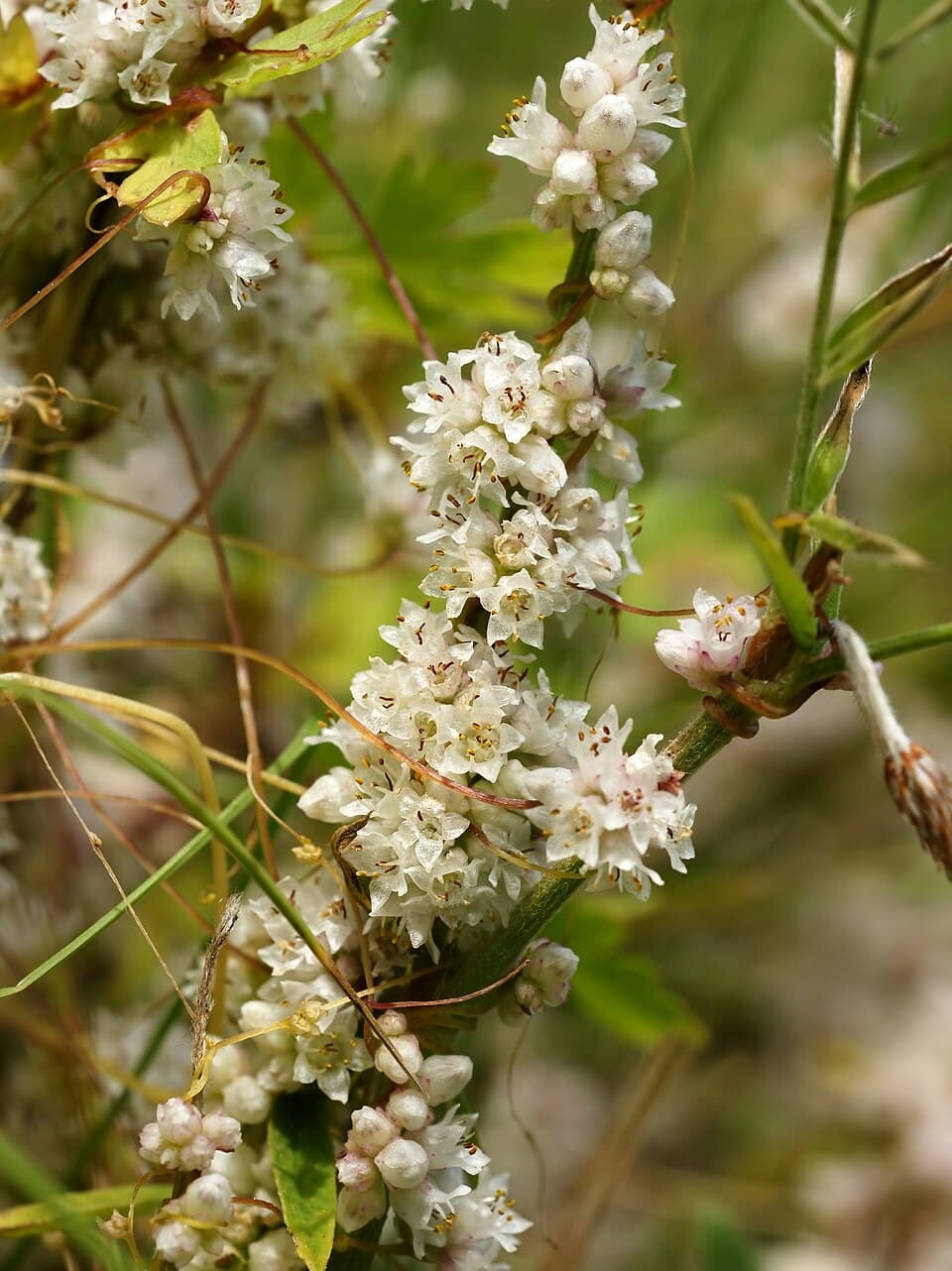
Image: ELAR corporation (Moscow, Russia) (cc-by)
NameCuscuta convallariiflora
Scientific NameCuscuta convallariiflora Pavlov
Common NamesDodder, Love Vine
Plant FamilyConvolvulaceae
Natural HabitatAs a parasitic plant, it grows on various host plants in diverse environments, often found in fields, disturbed areas, and along roadsides. The specimen label indicates collection from the Talas Mountains (Горы Талас) in the Aldogay (Алдогай) region, suggesting mountainous or hilly habitats in Central Asia.
Parts Usedwhole_plant,seed
Medicinal Actionsadaptogen, anti-inflammatory, antioxidant, diuretic
Traditional UsesTraditionally, species of Cuscuta (especially the seeds, known as Tu Si Zi in Traditional Chinese Medicine) are used to tonify the kidney and liver, improve vision, and strengthen bones. It is employed for conditions such as impotence, premature ejaculation, frequent urination, blurred vision, and chronic diarrhea.
Active ConstituentsFlavonoids, Lignans, Polysaccharides, Saponins
Preparation Methodsinfusion, decoction, powder, tincture
Contraindications & WarningsCuscuta species are generally contraindicated during pregnancy. Individuals with yin deficiency with heat signs or those experiencing constipation should use with caution. Always consult a healthcare professional before use.
Cultivation NotesAs an obligate parasitic plant, Cuscuta convallariiflora cannot be cultivated independently. It requires a suitable host plant to germinate and grow, attaching its haustoria to the host's vascular system to extract water and nutrients.
Raritycommon
Description
Cuscuta convallariiflora is an obligate parasitic annual plant, characterized by its slender, leafless, yellowish-brown to reddish stems that twine extensively around host plants. It produces small, clustered, bell-shaped flowers and small, globose fruits, appearing as a tangled mass over its host.