Obscure Morning Glory
NameObscure Morning Glory
Scientific NameIpomoea obscura
Common NamesObscure Morning Glory, Small-flowered Morning Glory, Lesser Morning Glory, Kankana
Plant FamilyConvolvulaceae
Natural HabitatCommonly found in tropical and subtropical regions, growing in disturbed areas, roadsides, fields, and open woodlands. It thrives in well-drained soils and prefers full sun.
Parts Usedwhole_plant,leaf,root
Medicinal Actionsanti-inflammatory, antimicrobial, antioxidant, diuretic, adaptogen
Traditional UsesIn traditional medicine systems like Ayurveda and Siddha, the leaves are applied externally for skin conditions, wounds, and boils. Internally, the plant is used for fever, cough, headaches, and as a general tonic, while the roots are sometimes employed for their laxative or diuretic properties.
Active Constituentsflavonoids, phenolic compounds, alkaloids, triterpenes, steroids
Preparation Methodsinfusion, decoction, poultice, powder
Contraindications & WarningsGenerally considered safe in traditional use, but pregnant and breastfeeding women should exercise caution. As with many medicinal plants, consult a healthcare professional before use, especially if on other medications, due to potential interactions.
Cultivation NotesEasy to grow from seed in warm climates, preferring full sun and well-drained soil. It is a vigorous climber and may require support, and can be considered invasive in some regions.
Raritycommon
Description
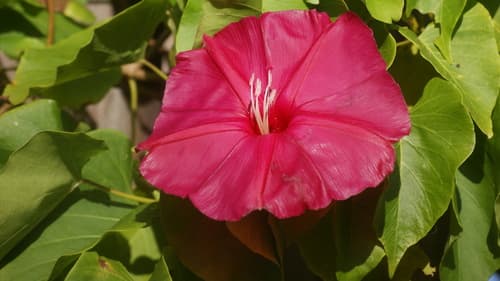
A slender, herbaceous, twining vine characterized by its heart-shaped leaves and small, funnel-shaped flowers. The corolla is typically pale yellow or white with a distinctive darker purple or maroon throat, often displaying yellowish radial bands.