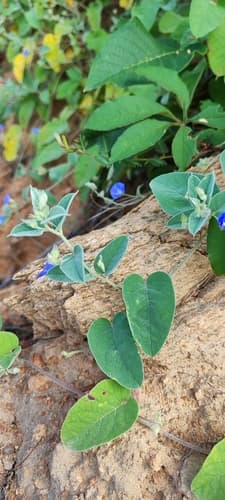
Cuscuta cockerellii
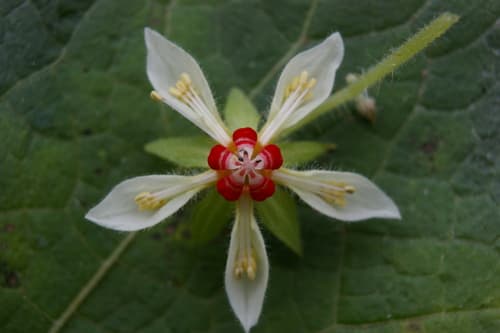
Image: The New York Botanical Garden (cc-by)
NameCuscuta cockerellii
Scientific NameCuscuta cockerellii Yunck.
Common NamesDodder, Cockerell's Dodder
Plant FamilyConvolvulaceae
Natural HabitatNative to South America, specifically found in regions like Yura, near Arequipa, Peru, as indicated on the herbarium label. It thrives in areas with suitable host plants, often in arid or semi-arid environments.
Parts Usedwhole_plant,seed
Medicinal Actionsantioxidant, anti-inflammatory, adaptogen, diuretic
Traditional UsesIn traditional medicine, various Cuscuta species are used as a general tonic, for kidney and liver support, to improve vision, and to strengthen bones. They are also traditionally applied for issues related to reproductive health and to combat fatigue.
Active ConstituentsFlavonoids, Lignans, Polysaccharides, Saponins
Preparation Methodsinfusion, decoction, powder, tincture
Contraindications & WarningsGenerally considered safe in moderate doses, but caution is advised during pregnancy and lactation due to insufficient research. May interact with certain medications, particularly those affecting blood sugar or hormones. As a parasitic plant, it should not be consumed in large quantities without expert guidance.
Cultivation NotesAs a parasitic plant, Cuscuta cockerellii cannot be cultivated independently. It requires a specific host plant to grow and complete its life cycle, making controlled cultivation for medicinal purposes challenging and uncommon.
Rarityuncommon
Description
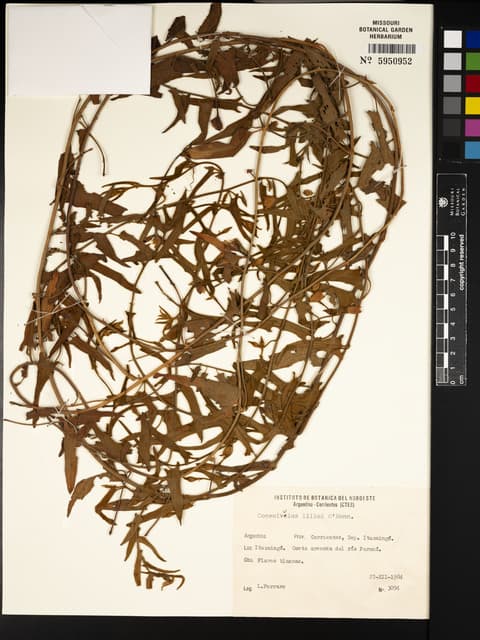
Cuscuta cockerellii is a parasitic, annual vine characterized by its slender, leafless, yellowish-orange to reddish stems that twine around host plants. It lacks chlorophyll and obtains nutrients by penetrating the host's vascular system with haustoria. The image displays dried, fragmented stems of this species.