Currant Tomato
NameCurrant Tomato
Scientific NameSolanum pimpinellifolium
Common NamesCurrant Tomato, Pimp Tomato, Wild Tomato
Plant FamilySolanaceae
Natural HabitatNative to coastal regions of Ecuador and Peru, it thrives in warm, sunny climates with well-drained soil. It can often be found in disturbed areas, along roadsides, or cultivated in gardens worldwide.
Parts Usedfruit
Medicinal Actionsantioxidant
Traditional UsesPrimarily consumed as a food source, currant tomatoes are valued for their intense flavor and high nutritional content. Traditionally, they contribute to a healthy diet, providing vitamins and antioxidants, which support general well-being.
Active ConstituentsLycopene, Beta-carotene, Vitamin C, Potassium, Flavonoids
Preparation Methodsinfusion, powder
Contraindications & WarningsGenerally safe for consumption. Individuals with nightshade sensitivities may experience adverse reactions. High consumption might be a concern for those prone to kidney stones due to oxalate content.
Cultivation NotesEasy to grow from seed in full sun and well-drained soil. Requires warm temperatures and consistent moisture. Plants are vigorous and sprawling, often benefiting from staking or caging to manage growth.
Raritycommon
Description
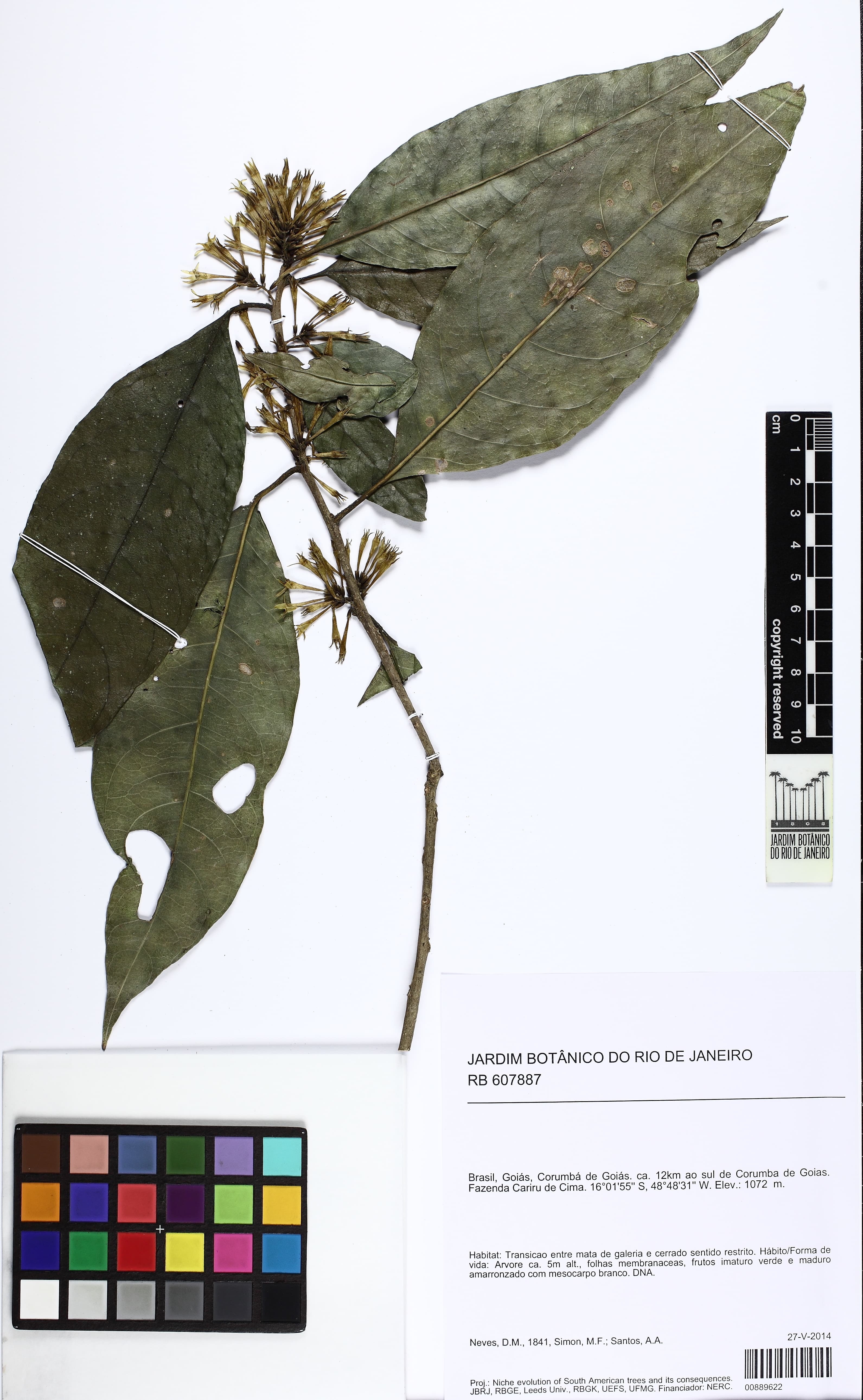
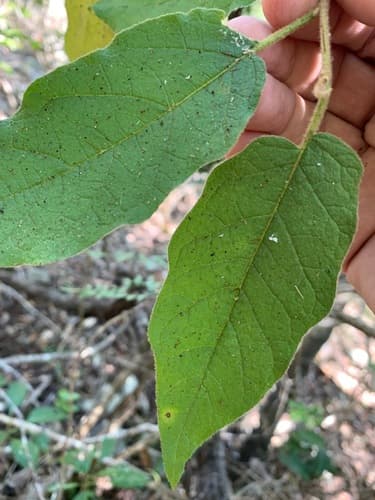
A wild species of tomato producing clusters of very small, pea-sized fruits, typically red or orange. It is characterized by its sprawling growth habit and delicate foliage, often found growing vigorously.