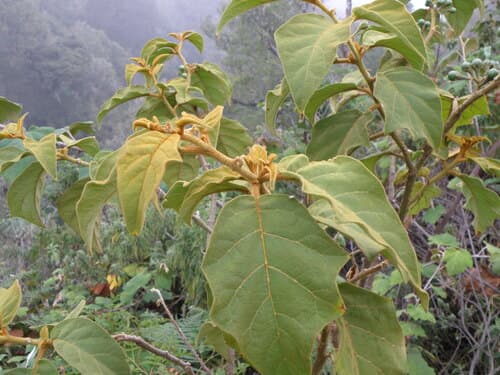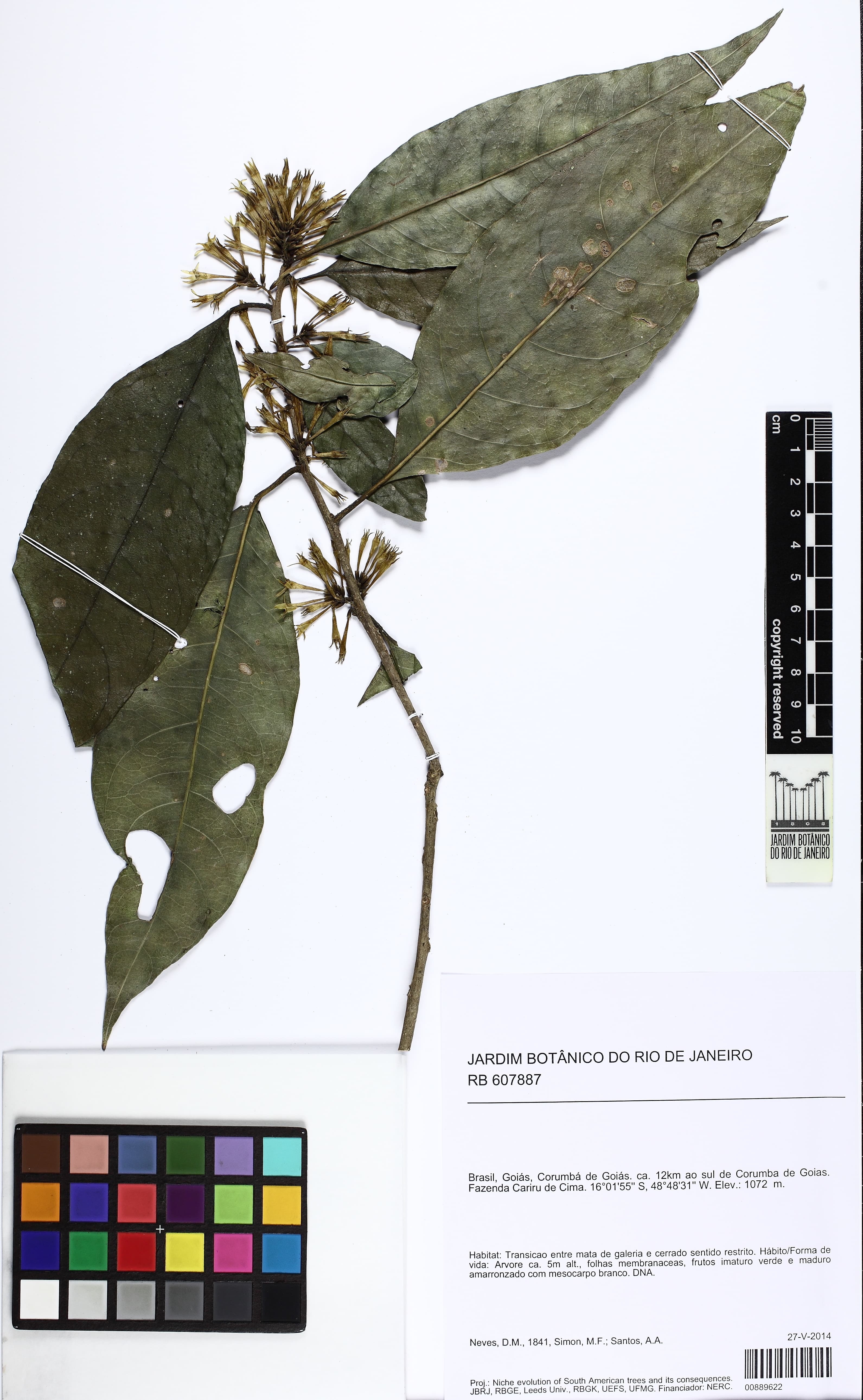
Cestrum pedicellatum
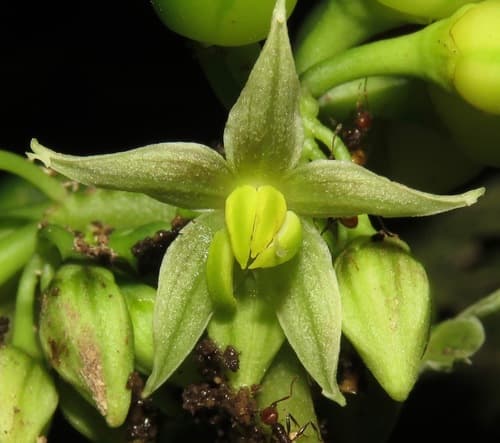
Image: Neves, D.M.; Simon, M.F.; Santos, A.A. (cc-by)
NameCestrum pedicellatum
Scientific NameCestrum pedicellatum Sendtn.
Common NamesNone widely recognized
Plant FamilySolanaceae
Natural HabitatNative to Brazil, found in the transition zones between gallery forests and restricted cerrado ecosystems, specifically documented in Goiás at elevations around 1072 meters.
Parts Usedleaf,flower
Medicinal Actionsanalgesic, anti-inflammatory
Traditional UsesWhile specific traditional medicinal uses for *Cestrum pedicellatum* are not widely documented, other species within the *Cestrum* genus have been traditionally employed in some folk medicine systems for their analgesic and anti-inflammatory properties, often applied externally. However, due to the known toxicity of the genus, any internal use is highly discouraged and requires extreme caution.
Active Constituentssteroidal saponins, alkaloids (e.g., solasodine, solamargine)
Preparation Methodsinfusion, poultice
Contraindications & WarningsAll parts of *Cestrum pedicellatum* are likely toxic, especially if ingested, due to the presence of steroidal saponins and alkaloids. Ingestion may cause severe gastrointestinal upset, neurological symptoms, and other adverse effects. Not recommended for internal use; external application should also be approached with extreme caution.
Cultivation NotesPrefers its native habitat conditions of gallery forests and cerrado transition zones in Brazil. Requires warm climates and specific soil conditions typical of these biomes. Not commonly cultivated outside its native range.
Rarityuncommon
Description
Cestrum pedicellatum is a small tree, typically growing up to 5 meters tall, characterized by its simple, alternate, membranaceous leaves. It produces clusters of tubular flowers and develops fruits that are green when immature, maturing to a brownish color with a white mesocarp. The specimen shows dried leaves and inflorescences, typical of a herbarium collection.