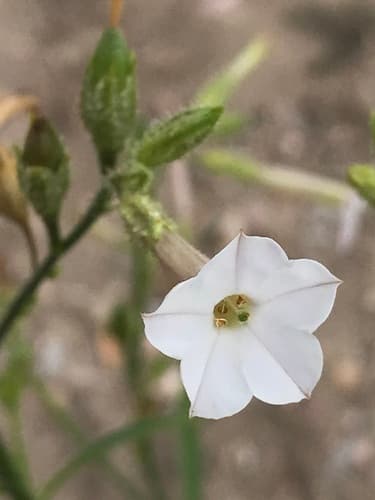
Coyote Tobacco
NameCoyote Tobacco
Scientific NameNicotiana attenuata
Common NamesCoyote Tobacco, Wild Tobacco, Desert Tobacco
Plant FamilySolanaceae
Natural HabitatNative to western North America, it thrives in disturbed soils, arid and semi-arid regions, often found in deserts, grasslands, and open woodlands, particularly after fires.
Parts Usedleaf,flower,seed,whole_plant
Medicinal Actionsanalgesic, antimicrobial
Traditional UsesTraditionally used by various Native American tribes for ceremonial purposes, as a sacred plant, and medicinally. It was smoked or chewed for pain relief (headaches, toothaches), applied topically as a poultice for wounds, sores, and insect bites, and used as an emetic or purgative. It also played a significant role in rituals and as an offering.
Active Constituentsnicotine, anabasine, nornicotine, diterpenes
Preparation Methodsinfusion, poultice, powder
Contraindications & WarningsHighly toxic if ingested in large quantities due to potent neurotoxins like nicotine. Can cause nausea, vomiting, dizziness, tremors, and cardiac effects. Not for internal use without expert guidance. Highly addictive. Avoid during pregnancy and breastfeeding.
Cultivation NotesGrows best in full sun and well-drained soil. Tolerates poor soil and drought conditions. Can be started from seed and self-seeds readily in favorable conditions.
Raritycommon
Description
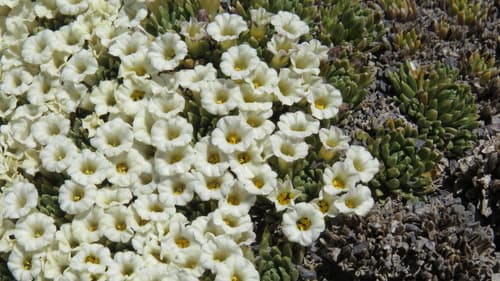
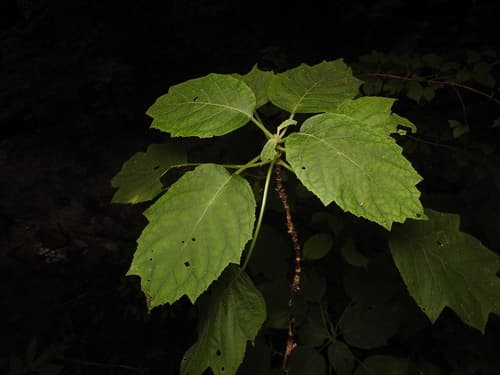
Nicotiana attenuata is an annual herb growing up to 1 meter tall, characterized by sticky, hairy stems and leaves. It produces numerous trumpet-shaped, white to cream-colored flowers, often opening at dusk, with prominent stamens.