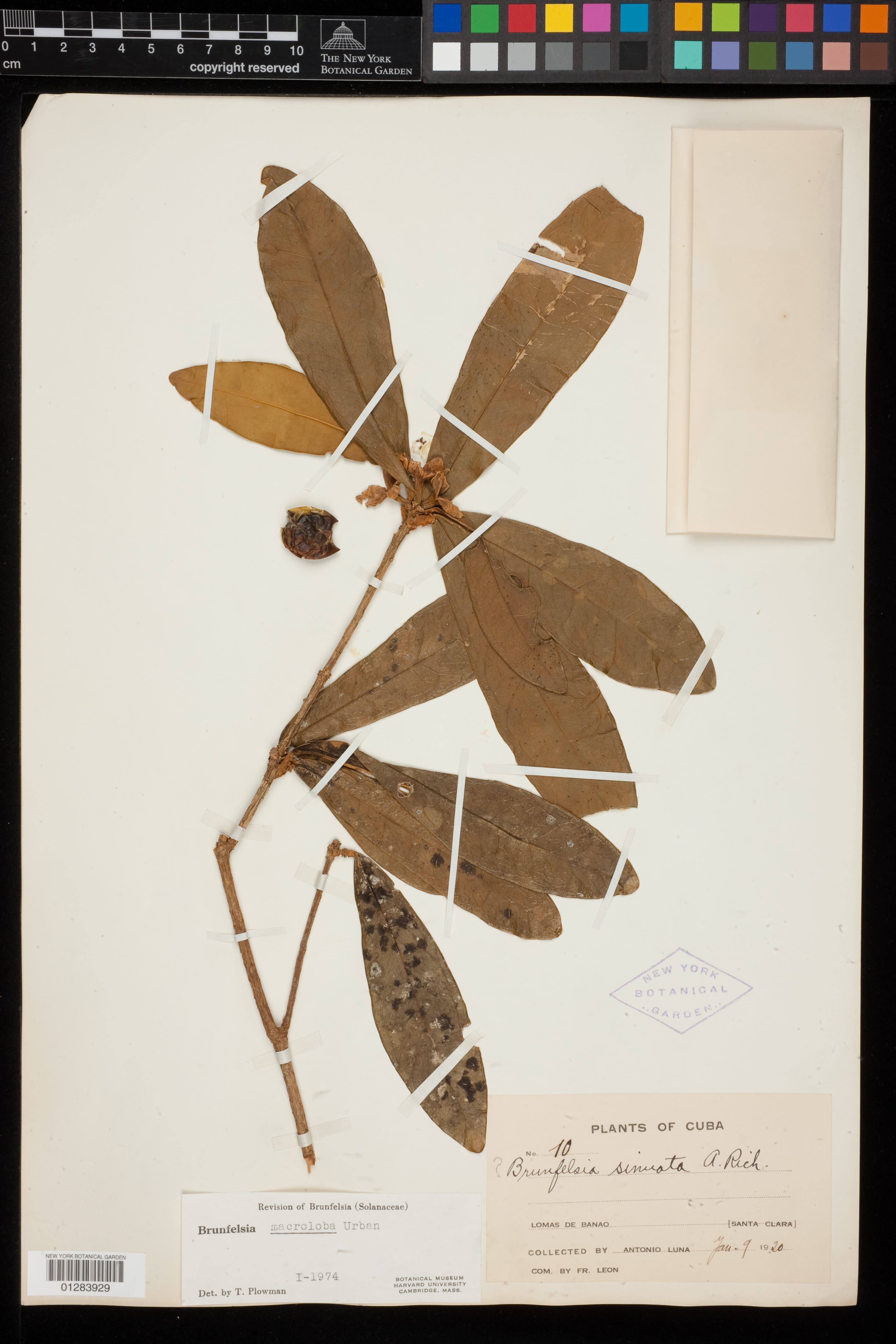
Cornus disciflora
NameCornus disciflora
Scientific NameCornus disciflora
Common NamesMexican Dogwood, Palo de Perro
Plant FamilyCornaceae
Natural HabitatNative to montane forests, cloud forests, and moist ravines in Mexico and Central America, often found at higher elevations.
Parts Usedbark,leaf
Medicinal Actionsastringent, anti-inflammatory, antimicrobial
Traditional UsesTraditionally, the bark of Cornus species, including potentially C. disciflora, has been used as a febrifuge, an anti-malarial substitute for quinine, and to treat diarrhea and dysentery due to its strong astringent properties. It has also been employed as a general tonic.
Active Constituentstannins, iridoids, flavonoids
Preparation Methodsdecoction, tincture, infusion
Contraindications & WarningsHigh doses may cause gastrointestinal upset due to its astringent nature. Caution is advised during pregnancy and lactation due to insufficient safety data.
Cultivation NotesPrefers moist, well-drained, acidic soil and can tolerate partial shade to full sun. Thrives in temperate to subtropical climates, requiring consistent moisture.
Rarityuncommon
Description
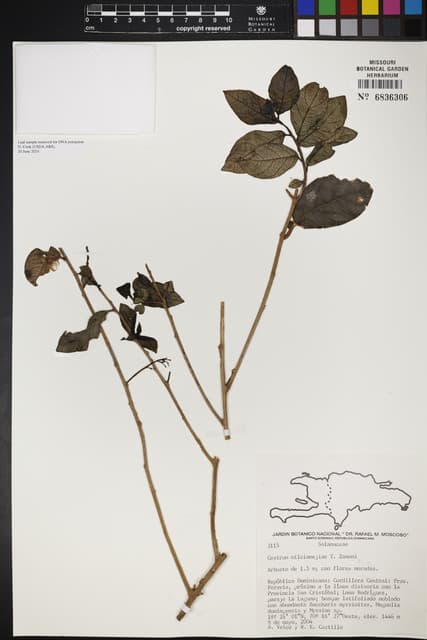
Cornus disciflora is a medium-sized tree or shrub characterized by its opposite, simple, ovate leaves with prominent venation. It produces dense, terminal clusters of small, greenish-white flowers, as seen in the image, which are typically inconspicuous compared to other dogwood species.