Convolvulus Spinosus
NameConvolvulus Spinosus
Scientific NameConvolvulus spinosus
Common NamesSpiny Bindweed, Thorny Bindweed
Plant FamilyConvolvulaceae
Natural HabitatNative to arid and semi-arid regions of the Middle East and North Africa, thriving in rocky deserts, sandy plains, and dry, disturbed areas. It is well-adapted to drought conditions and poor soils.
Parts Usedwhole_plant,root
Medicinal Actionsantioxidant, anti-inflammatory, astringent
Traditional UsesWhile specific traditional medicinal uses for Convolvulus spinosus are not extensively documented, other species in the genus Convolvulus have been traditionally used for their purgative properties and occasionally for wound healing or as astringents. Its use in folk medicine may involve addressing digestive complaints or external skin issues, though caution is advised due to potential strong effects.
Active ConstituentsGlycosides, Resins, Flavonoids
Preparation Methodsinfusion, decoction, powder
Contraindications & WarningsDue to the presence of potentially strong compounds (like purgative resins in related species), caution is advised. Potential for gastrointestinal upset, dehydration, and interactions with medications. Not recommended for pregnant or breastfeeding individuals without expert guidance.
Cultivation NotesRequires full sun and extremely well-drained, sandy or rocky soil. It is highly drought-tolerant once established and thrives in hot, dry climates. Minimal watering is needed, and it is generally low-maintenance.
Rarityuncommon
Description
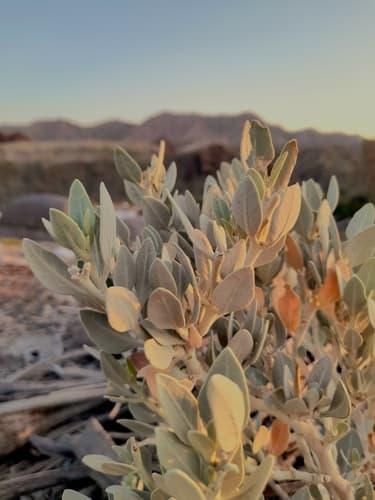
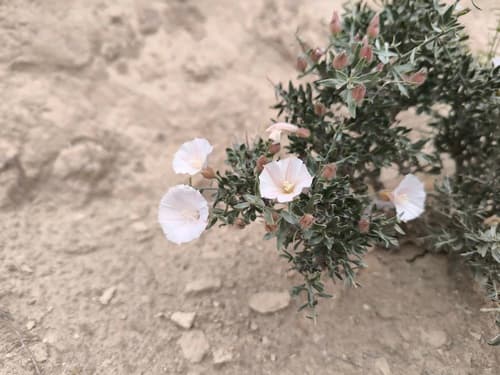
A low-growing, spiny perennial shrub characterized by its woody stems and small, often greyish-green leaves. It produces delicate, funnel-shaped flowers, typically pale pink to white, blooming in arid conditions. This plant is well-adapted to harsh desert environments.