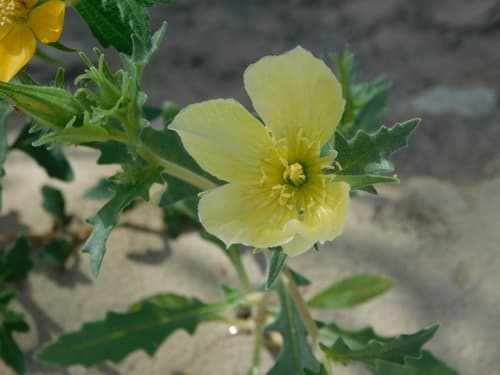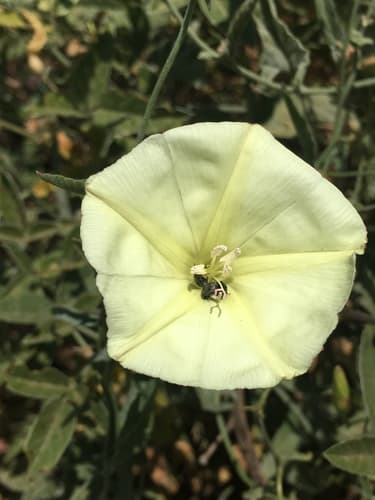
Convolvulus palaestinus
NameConvolvulus palaestinus
Scientific NameConvolvulus palaestinus
Common NamesPalestinian Bindweed
Plant FamilyConvolvulaceae
Natural HabitatNative to the Eastern Mediterranean region, specifically the Levant (Palestine, Israel, Jordan, Syria, Lebanon). It thrives in rocky areas, fields, roadsides, and disturbed ground, often found in arid and semi-arid environments.
Parts Usedwhole_plant,root,leaf
Medicinal Actionsdiuretic, antimicrobial, anti-inflammatory, antioxidant
Traditional UsesTraditionally, Convolvulus palaestinus has been primarily used as a strong purgative and laxative in folk medicine. It is also employed as a diuretic and, in some local traditions, applied externally for various skin conditions and wounds.
Active Constituentsresin glycosides, flavonoids, tannins
Preparation Methodsdecoction, infusion, powder
Contraindications & WarningsDue to its potent purgative effects, it is contraindicated in pregnancy, breastfeeding, intestinal obstruction, inflammatory bowel diseases, and severe dehydration. Use with extreme caution due to potential toxicity and strong gastrointestinal effects. May interact with medications affecting electrolyte balance.
Cultivation NotesThis plant prefers full sun to partial shade and well-drained soil. It is drought-tolerant once established and can be quite vigorous, often considered a weed in its native range. Propagation is typically by seed or root division.
Raritycommon
Description
Convolvulus palaestinus is a perennial herbaceous plant characterized by its sprawling or climbing habit. It produces distinctive pale yellow to whitish-yellow trumpet-shaped flowers, often with a prominent star-like pattern in the throat. Its leaves are typically ovate to lanceolate.