Solanum lachnophyllum
NameSolanum lachnophyllum
Scientific NameSolanum lachnophyllum
Common NamesWoolly Nightshade, Hairy Nightshade
Plant FamilySolanaceae
Natural HabitatThis species is native to arid and semi-arid regions of Australia, typically found in sandy soils, mulga lands, and open woodlands. It is well-adapted to dry, harsh environmental conditions.
Parts Usedleaf,fruit
Medicinal Actionsanalgesic, anti-inflammatory
Traditional UsesSpecific traditional medicinal uses for Solanum lachnophyllum are not widely documented in ethnobotanical literature. While some Solanum species have edible fruits or are used externally in traditional medicine for conditions like pain or inflammation, often with significant caution, the genus is generally known for its toxicity due to glycoalkaloids.
Active Constituentssteroidal glycoalkaloids
Preparation Methodspoultice, powder
Contraindications & WarningsAll parts of Solanum lachnophyllum, like many Solanum species, are likely to contain toxic steroidal glycoalkaloids. Ingestion can cause severe gastrointestinal upset, neurological symptoms, and can be fatal in large doses. External use should also be approached with extreme caution due to potential skin irritation or absorption, and internal use is not recommended without expert guidance.
Cultivation NotesAdapted to arid and semi-arid conditions, Solanum lachnophyllum prefers full sun and well-drained, sandy soils. It is drought-tolerant once established and typically propagated by seed, requiring minimal watering.
Raritycommon
Description
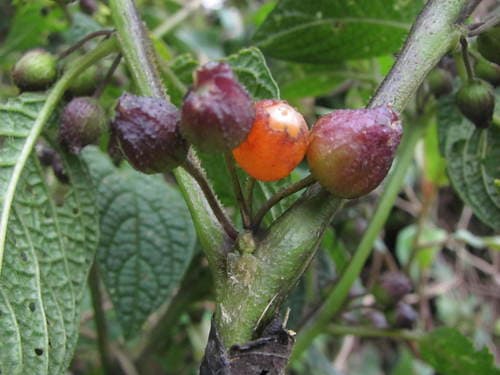
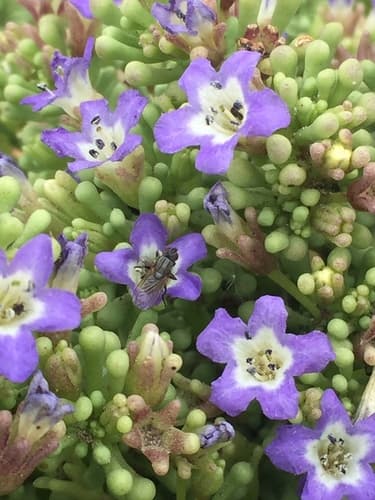
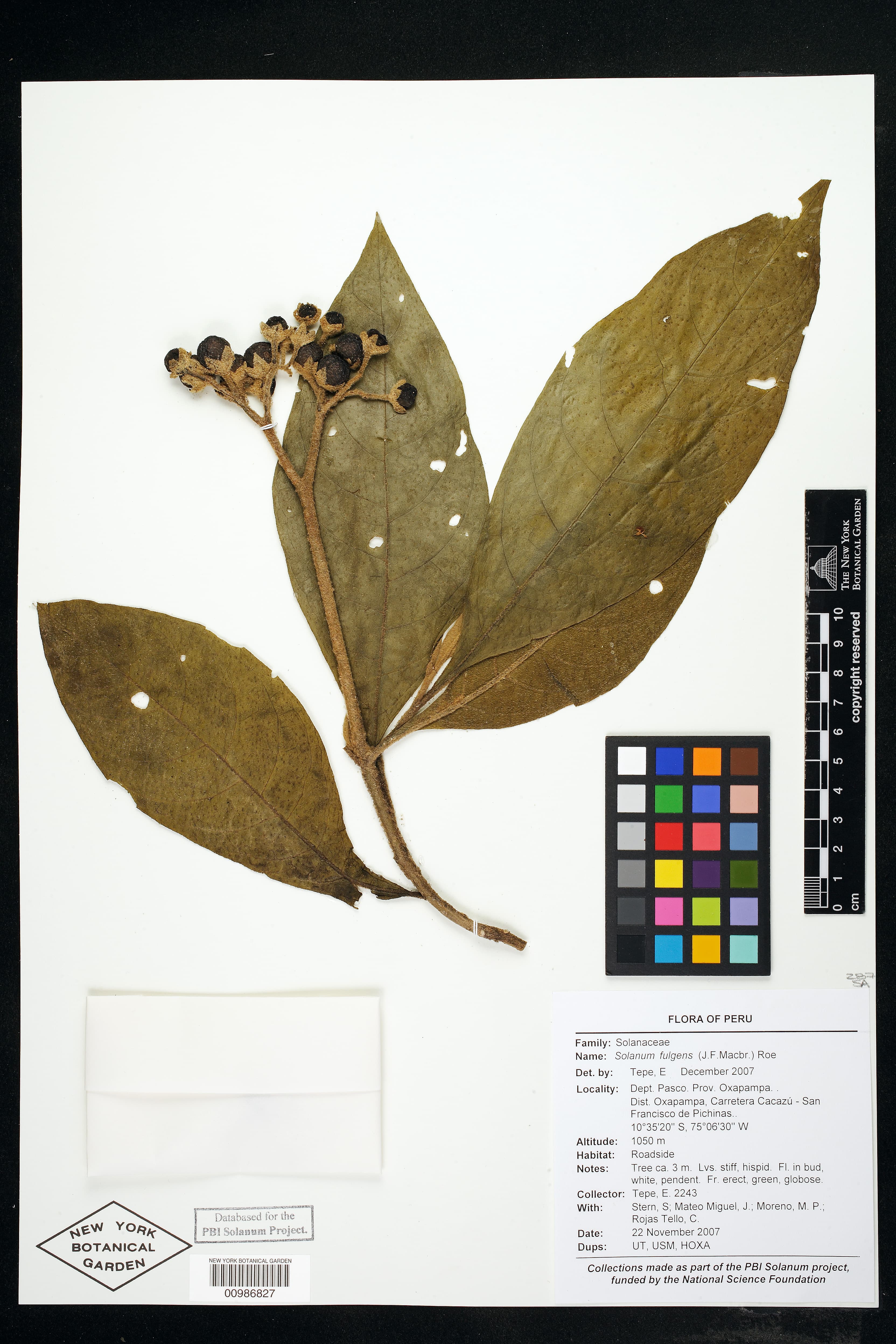
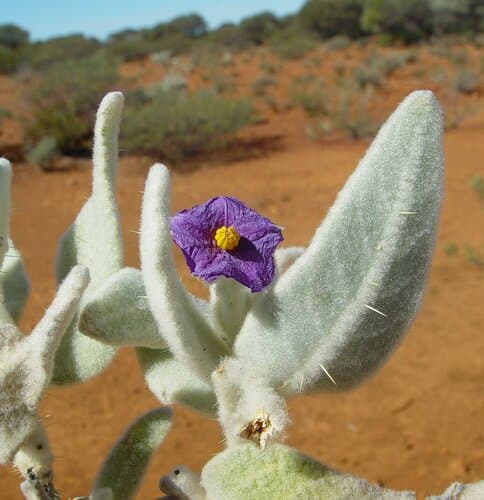
Solanum lachnophyllum is a perennial shrub characterized by its dense covering of white, woolly hairs on the stems and leaves, giving it a silvery appearance. Its leaves are often spiny, and it produces distinctive purple, star-shaped flowers with prominent yellow anthers, followed by berries.