Sweet Honeythorn
NameSweet Honeythorn
Scientific NameLycium ferocissimum
Common NamesSweet Honeythorn, African Boxthorn, Honeythorn, Kaffir Thorn
Plant FamilySolanaceae
Natural HabitatNative to coastal regions of Southern Africa, it thrives in sandy soils, coastal dunes, and disturbed areas, often forming dense thickets. It has also naturalized in other arid and semi-arid regions globally.
Parts Usedfruit,leaf
Medicinal Actionsantioxidant, anti-inflammatory
Traditional UsesTraditionally, the berries of Sweet Honeythorn have been consumed for general well-being and as a food source. In some indigenous practices, they may have been used to address minor ailments, similar to other wolfberry species.
Active Constituentspolysaccharides, carotenoids, flavonoids
Preparation Methodsinfusion, powder
Contraindications & WarningsMay interact with anticoagulant medications (e.g., warfarin) due to potential coumarin content. Caution is advised for individuals on blood pressure or diabetes medications.
Cultivation NotesSweet Honeythorn is a hardy, drought-tolerant shrub that prefers full sun and well-drained soils. It can tolerate coastal conditions and is often used for hedging due to its thorny nature. It can be propagated from seed or cuttings.
Raritycommon
Description
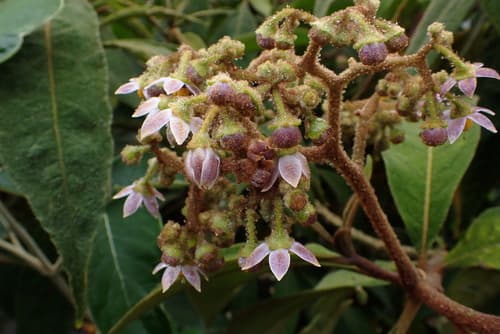
Lycium ferocissimum is a thorny, woody shrub or small tree, typically growing 1-3 meters tall. It features small, fleshy, obovate leaves clustered along its rigid, spiny branches and produces small, pale purple, trumpet-shaped flowers.