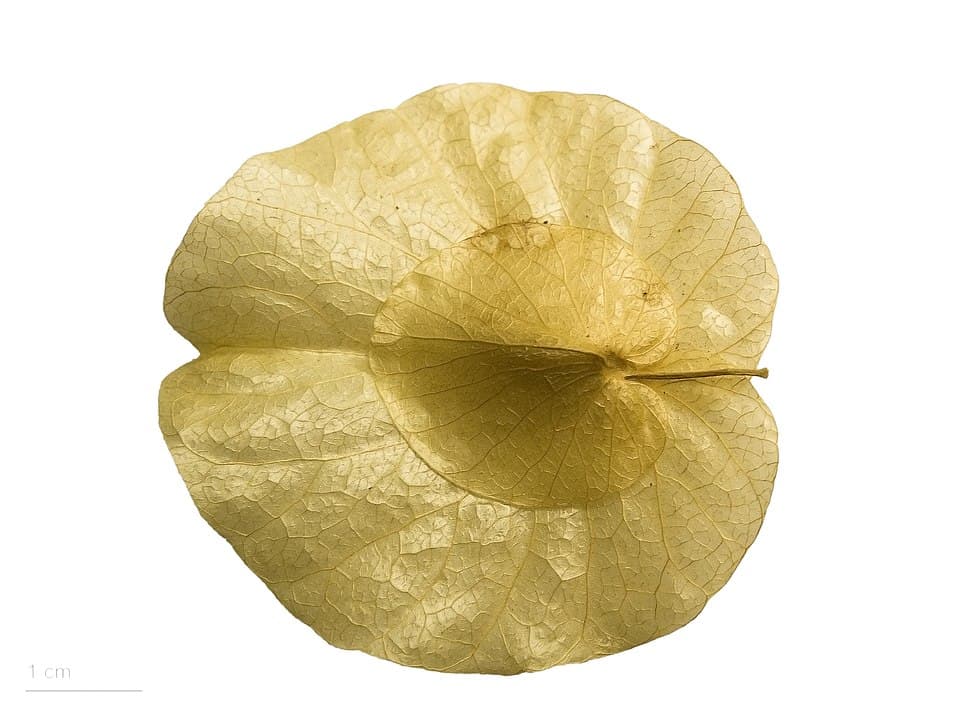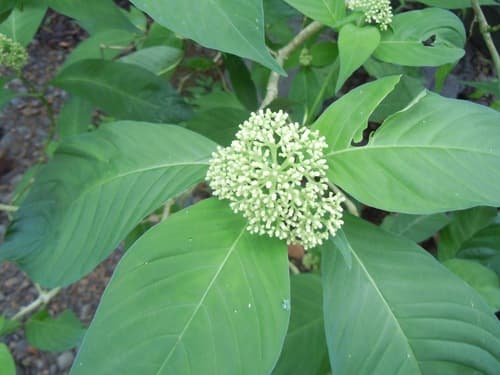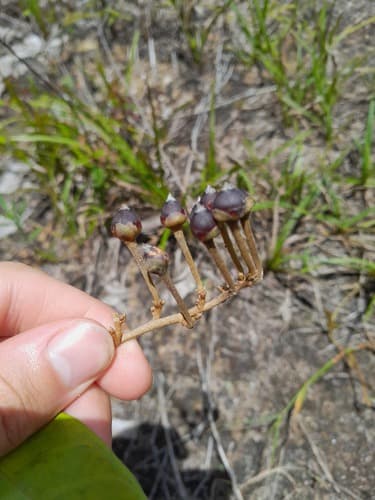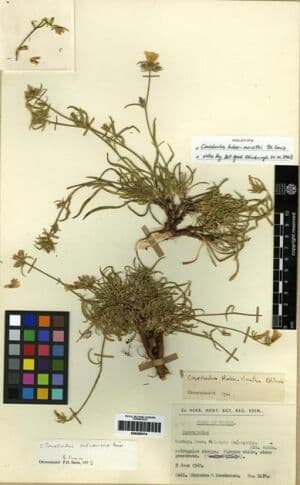
Convolvulus cataonicus
Image: Stainton, John David Adam & Henderson, Douglas M. (cc0)
NameConvolvulus cataonicus
Scientific NameConvolvulus cataonicus
Common NamesCatonia Bindweed
Plant FamilyConvolvulaceae
Natural HabitatNative to Turkey, this species is commonly found in dry, rocky slopes, steppes, and arid grasslands, thriving in well-drained, often calcareous soils.
Parts Usedwhole_plant,leaf,flower,root
Medicinal Actionsantioxidant, antimicrobial, astringent
Traditional UsesWhile specific traditional uses for Convolvulus cataonicus are not widely documented, other species within the Convolvulus genus have been historically used for their purgative effects, to treat various skin conditions, and as diuretics. Based on its potential actions, it might have been employed for minor infections, wound healing, or as a general tonic.
Active Constituentsresin glycosides, flavonoids, tannins
Preparation Methodsinfusion, decoction, powder, poultice
Contraindications & WarningsDue to the presence of resin glycosides in many Convolvulus species, potential gastrointestinal upset, cramping, and strong purgative effects are possible. It is generally not recommended for pregnant or breastfeeding women, or individuals with intestinal obstruction, inflammatory bowel conditions, or severe digestive sensitivities.
Cultivation NotesConvolvulus cataonicus prefers full sun exposure and requires well-drained, often rocky or sandy soils. It is drought-tolerant once established and can be propagated by seed or division.
Rarityuncommon
Description
A herbaceous perennial plant, typically low-growing or prostrate, characterized by narrow, linear to lanceolate leaves. It produces small, funnel-shaped flowers, often pale yellow or cream in color.