Convolvulus capituliferus
NameConvolvulus capituliferus
Scientific NameConvolvulus capituliferus
Plant FamilyConvolvulaceae
Natural HabitatNative to arid and semi-arid regions of Eastern Africa and the Arabian Peninsula, it thrives in well-drained, sandy or rocky soils, grasslands, and often colonizes disturbed areas.
Parts Usedwhole_plant
Traditional UsesSpecific traditional medicinal uses for Convolvulus capituliferus are not widely documented. However, some species within the Convolvulus genus have historically been used as strong purgatives, though this is often associated with toxicity and is generally not recommended for internal use.
Active Constituentsresin glycosides, alkaloids, flavonoids
Preparation Methodsdecoction, powder
Contraindications & WarningsMany Convolvulus species contain potent resin glycosides that can cause severe gastrointestinal upset, dehydration, and electrolyte imbalance. Internal use is generally not recommended due to potential toxicity. Pregnant or breastfeeding women, children, and individuals with gastrointestinal disorders should avoid use.
Cultivation NotesThis species prefers full sun and well-drained, sandy or rocky soils. It is highly drought-tolerant once established and adapted to arid conditions. Propagation is typically by seed.
Raritycommon
Description
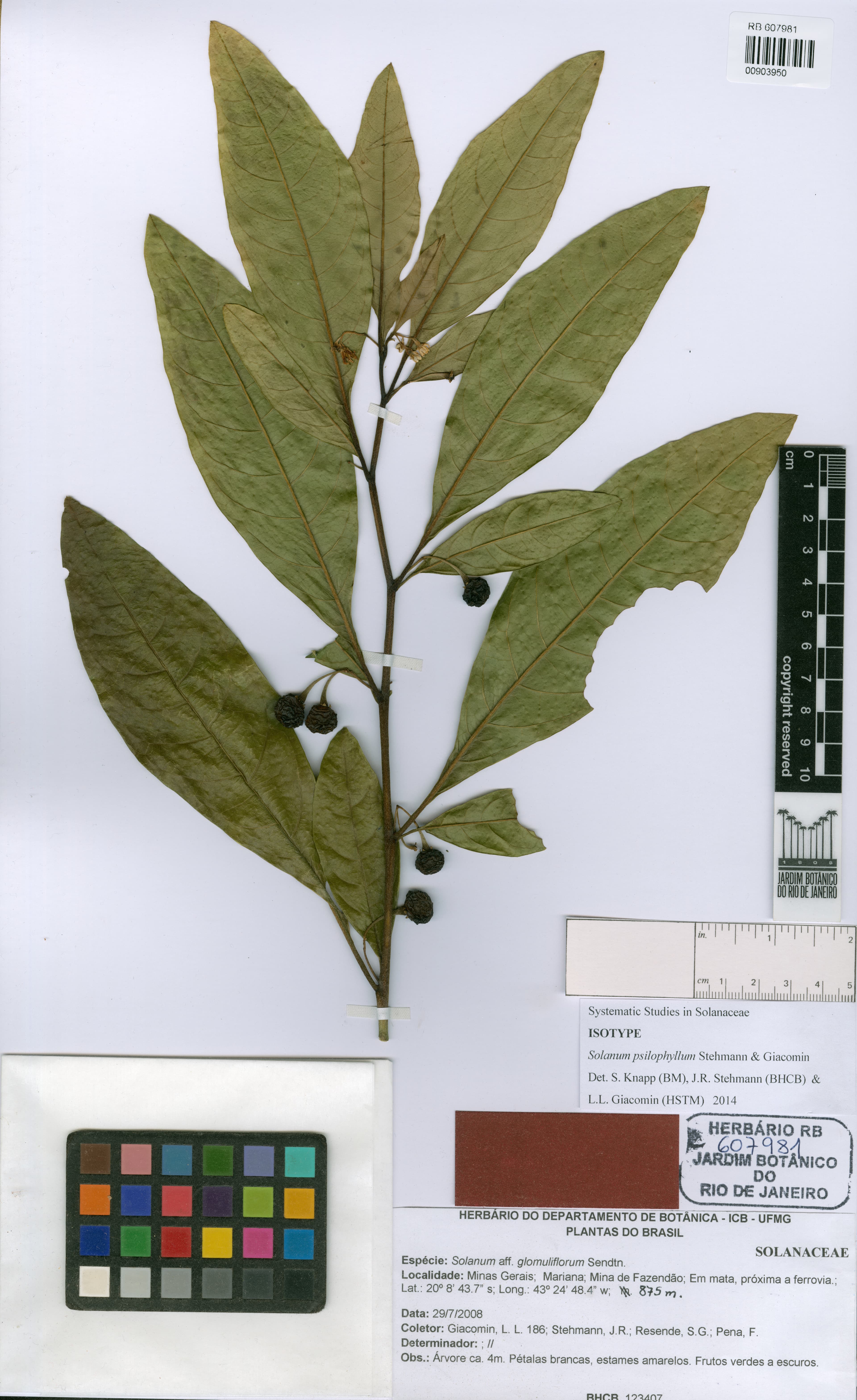
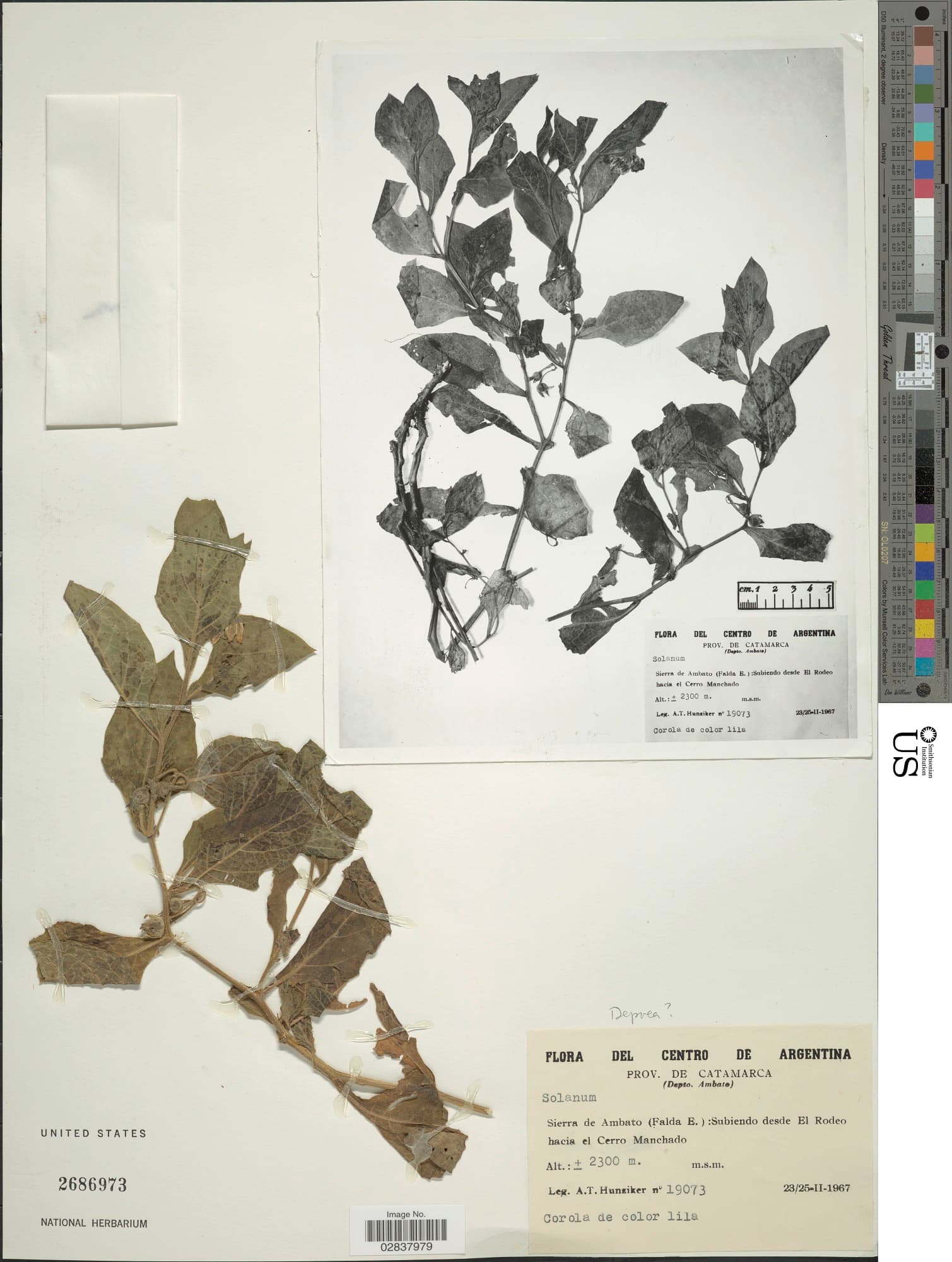
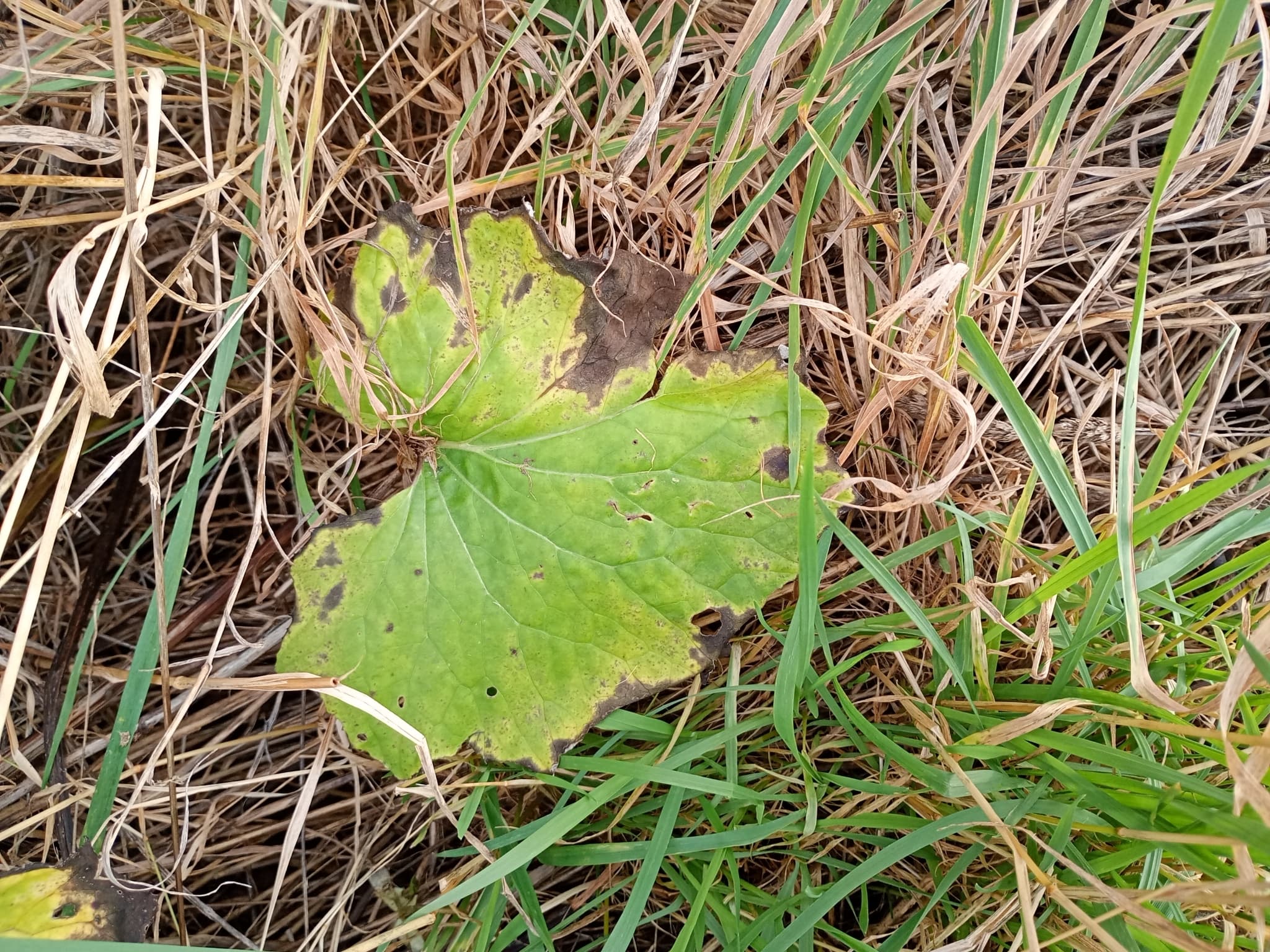
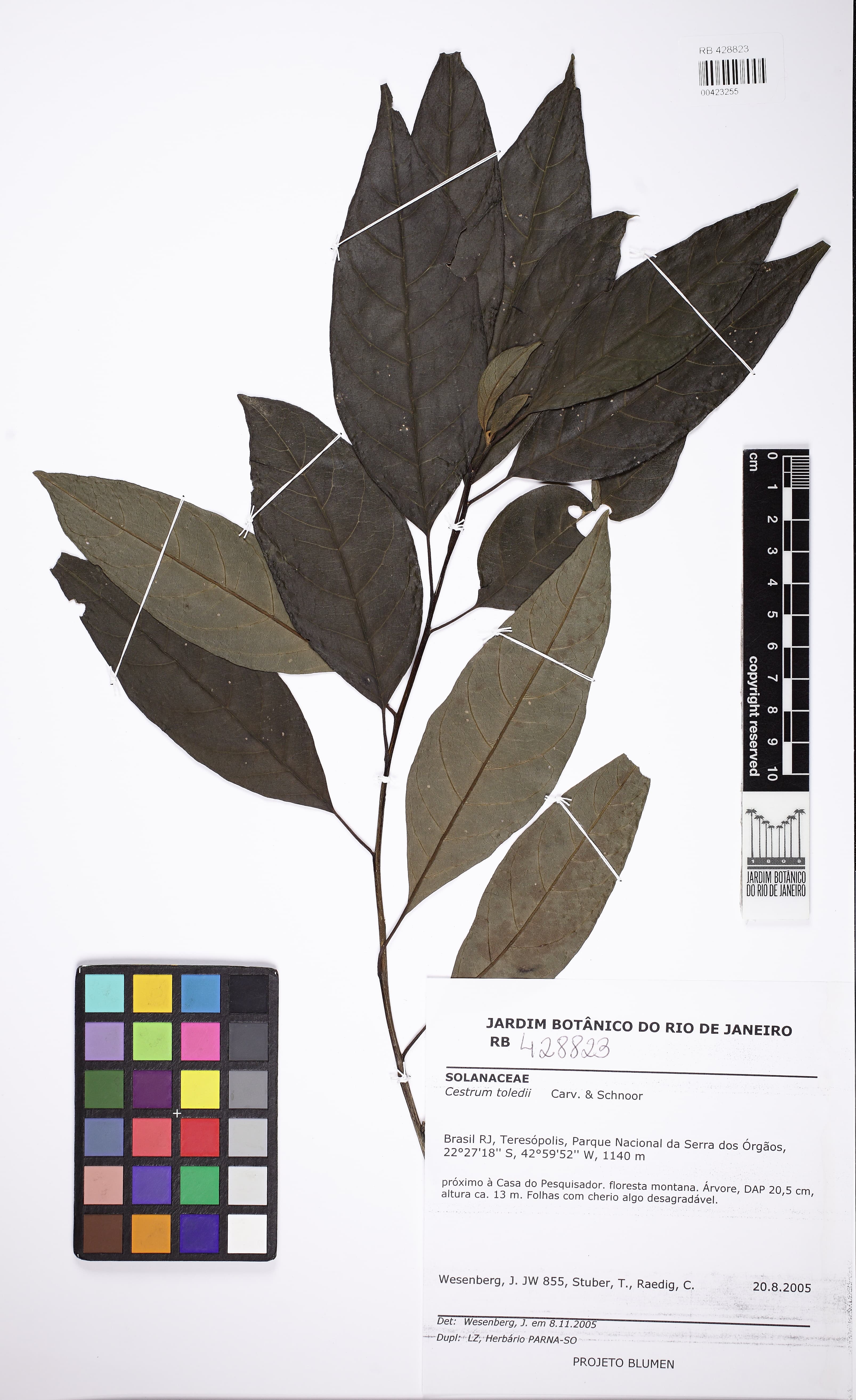
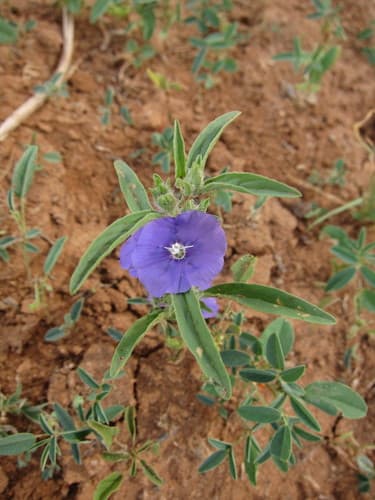
Convolvulus capituliferus is a small herbaceous plant characterized by its vibrant purple, funnel-shaped flowers with a distinct white center. Its leaves are simple, elongated, and often somewhat hairy, growing alternately along the stem. The plant typically grows low to the ground in arid environments.