Coltsfoot
Image: Charles Davis (cc-by-nc)
NameColtsfoot
Scientific NameTussilago farfara
Common NamesColtsfoot, Coughwort, Foalfoot, Horsehoof
Plant FamilyAsteraceae
Natural HabitatCommonly found in disturbed soils, roadsides, waste ground, fields, and along riverbanks. It thrives in moist, heavy clay soils but is adaptable to various conditions.
Parts Usedleaf,flower
Medicinal Actionsdemulcent, expectorant, anti-inflammatory
Traditional UsesTraditionally, Coltsfoot has been used to treat various respiratory ailments such as coughs, bronchitis, asthma, and sore throats due to its demulcent and expectorant properties. The leaves were historically smoked or made into syrups and teas for chest complaints.
Active ConstituentsMucilage, Pyrrolizidine alkaloids, Flavonoids, Tannins, Inulin
Preparation Methodsinfusion, decoction, tincture, poultice
Contraindications & WarningsContains pyrrolizidine alkaloids (PAs) which can be hepatotoxic and carcinogenic, especially with long-term use or in large doses. Not recommended for pregnant or breastfeeding women, children, or individuals with liver disease. Internal use is generally discouraged in modern herbalism due to safety concerns.
Cultivation NotesColtsfoot spreads aggressively via rhizomes and can be difficult to eradicate once established. It prefers full sun to partial shade and moist, well-drained soil. It is often considered a weed in gardens.
Raritycommon
Description
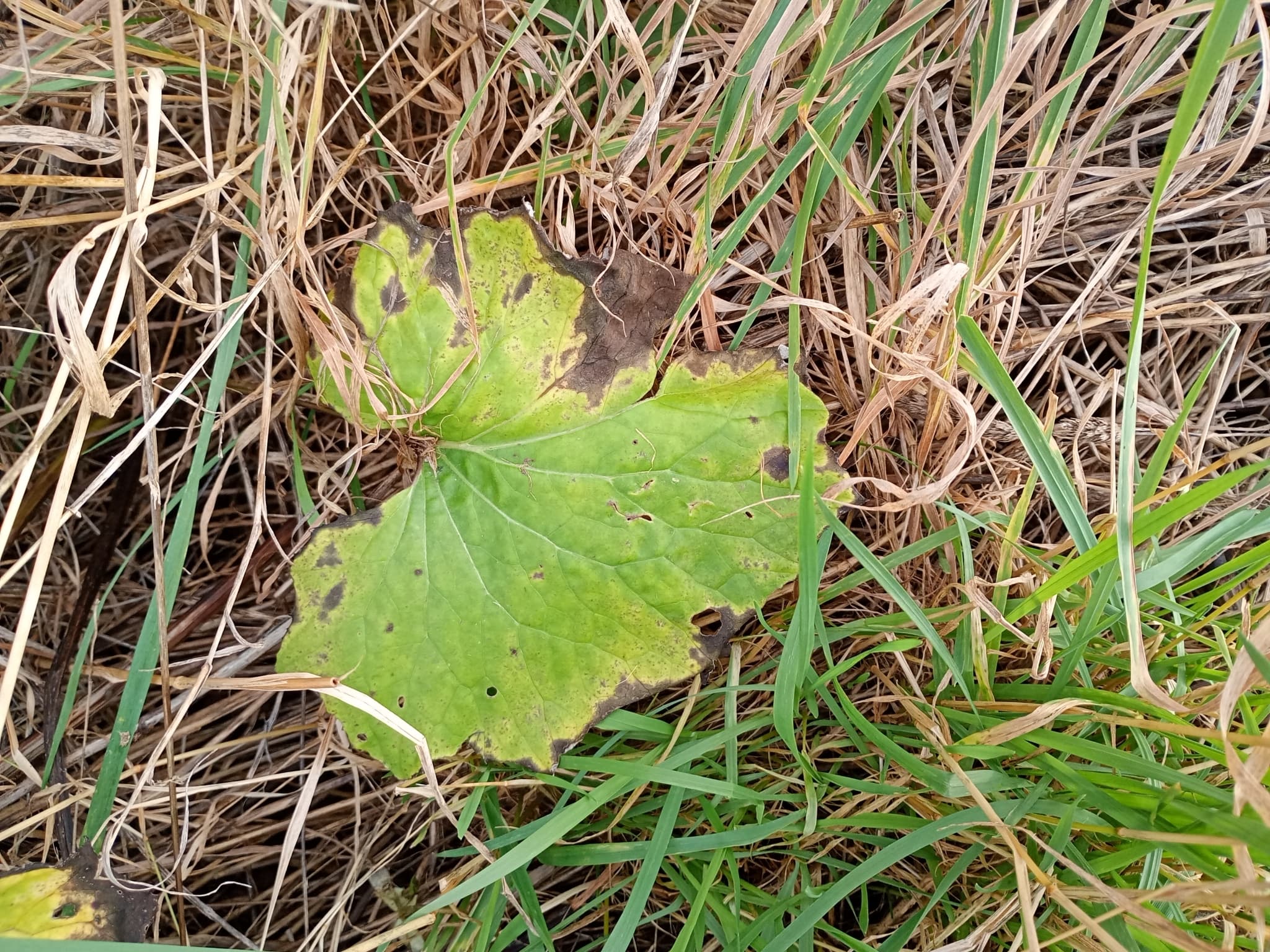
Coltsfoot is a perennial herbaceous plant known for its bright yellow, dandelion-like flowers that emerge in early spring before the leaves. Its distinctive leaves are large, basal, heart-shaped to orbicular, with a toothed margin, green on top, and densely white-hairy underneath.