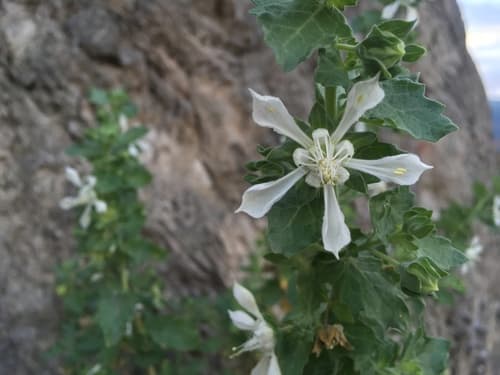
Common Dogwood
NameCommon Dogwood
Scientific NameCornus sanguinea
Common NamesCommon Dogwood, Blood-twig Dogwood, Red Dogwood
Plant FamilyCornaceae
Natural HabitatNative to Europe and western Asia, it thrives in moist, well-drained soils. It is commonly found in woodlands, hedgerows, riverbanks, and scrubland, preferring full sun to partial shade.
Parts Usedbark,leaf
Medicinal Actionsastringent, anti-inflammatory
Traditional UsesTraditionally, the bark and leaves of Common Dogwood were used as an astringent to treat fevers, diarrhea, and as a general tonic. It was also applied externally as a poultice or wash for skin conditions and to aid in wound healing.
Active Constituentstannins, iridoids, flavonoids
Preparation Methodsinfusion, decoction, tincture, poultice
Contraindications & WarningsDue to its high tannin content, excessive internal use may cause gastrointestinal upset. It is not recommended for prolonged use or for pregnant/nursing women without professional medical advice.
Cultivation NotesThis plant is easily grown in most soil types, preferring moist conditions and full sun to partial shade. It is a hardy species that can be propagated by cuttings or seeds.
Raritycommon
Description
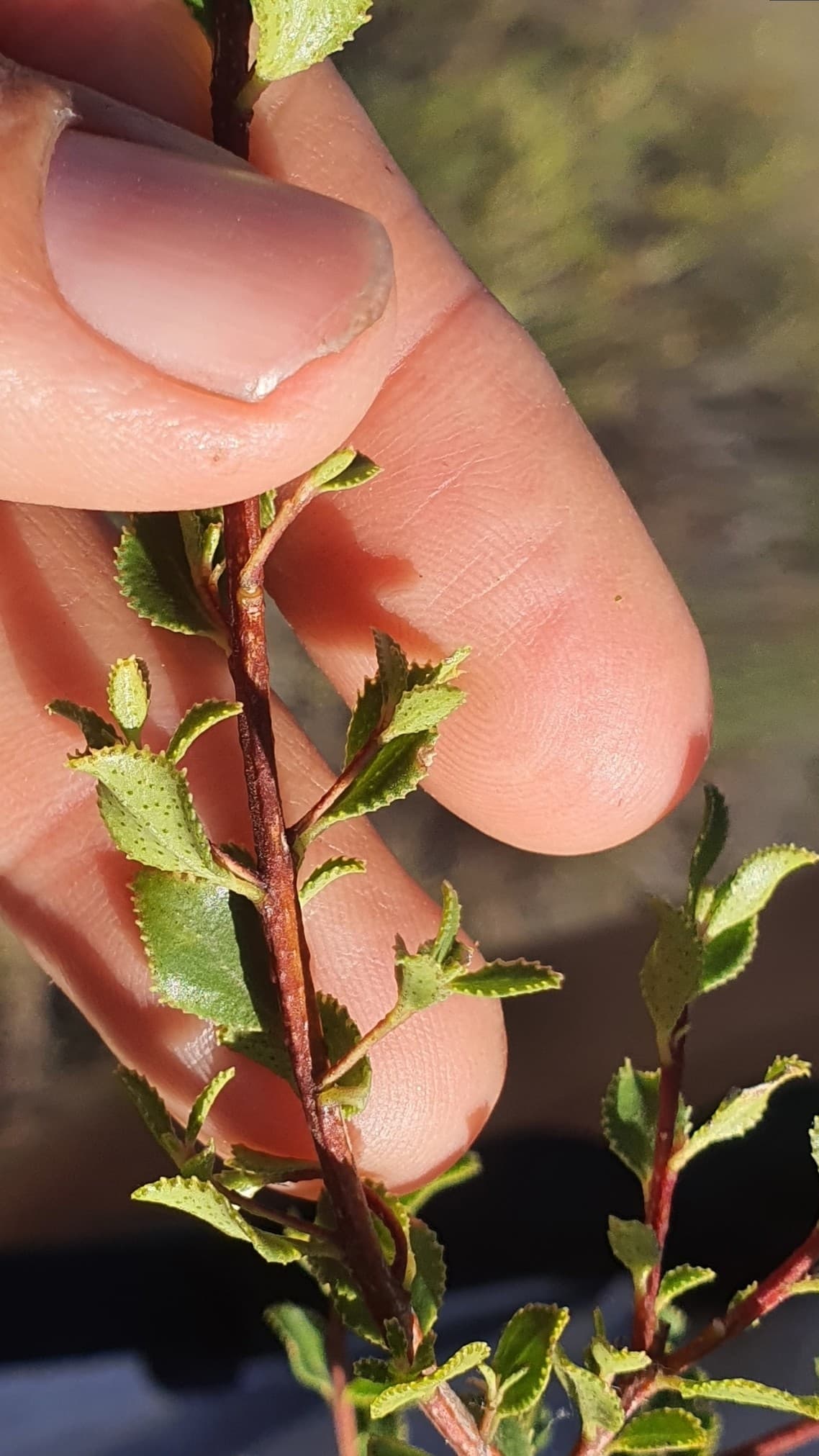
Cornus sanguinea is a deciduous shrub or small tree, typically growing 2-6 meters tall, recognized by its distinctive red stems, especially prominent in winter. It produces clusters of small, creamy-white flowers in late spring to early summer, which are followed by dark purple-black berries.