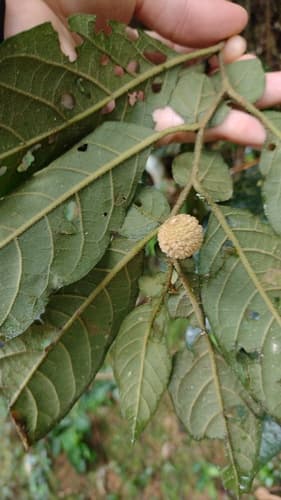
Clustered Morning Glory
NameClustered Morning Glory
Scientific NameIpomoea nil
Common NamesClustered Morning Glory, Japanese Morning Glory, Picotee Morning Glory
Plant FamilyConvolvulaceae
Natural HabitatNative to tropical and subtropical regions of the Americas, now widely naturalized globally. It thrives in disturbed areas, roadsides, fields, and gardens, preferring full sun and well-drained soil.
Parts Usedseed,leaf
Medicinal Actionsdiuretic, antioxidant, anti-inflammatory, antimicrobial
Traditional UsesTraditionally, the seeds of Ipomoea nil have been used as a strong remedy to promote bowel movements and expel intestinal parasites. In some traditional systems, the leaves are occasionally used as a mild diuretic or applied topically for certain skin conditions.
Active ConstituentsErgine (LSA), Resin glycosides, Flavonoids, Phenolic compounds
Preparation Methodspowder, infusion
Contraindications & WarningsThe seeds are highly purgative and can cause severe gastrointestinal upset, nausea, vomiting, and abdominal cramps. Due to the presence of ergoline alkaloids, ingestion of large quantities of seeds can cause psychoactive effects and other adverse neurological symptoms. Not recommended for pregnant or breastfeeding women, children, or individuals with gastrointestinal disorders. Should not be used without expert guidance due to toxicity.
Cultivation NotesIpomoea nil is easily grown from seed in full sun and well-drained soil. It prefers warm temperatures and can be a vigorous climber, requiring support. It is often cultivated as an ornamental annual in temperate climates.
Raritycommon
Description
Ipomoea nil is an annual or perennial climbing vine, often with hairy stems and heart-shaped (cordate) leaves. It produces trumpet-shaped flowers, typically clustered, which are often bicolored with a pale outer rim (white to pink) and a darker throat (magenta to purple), opening in the morning and closing by afternoon.