Cinchona
NameCinchona
Scientific NameCinchona anderssonii
Common NamesCinchona, Quinine Tree, Fever Tree, Peruvian Bark
Plant FamilyRubiaceae
Natural HabitatNative to the tropical Andes mountains of South America, Cinchona species thrive in cloud forests and montane rainforests at high altitudes, preferring humid conditions.
Parts Usedbark
Medicinal Actionsantimicrobial, analgesic, anti-inflammatory
Traditional UsesHistorically, the bark of Cinchona trees has been extensively used by indigenous peoples and later globally for treating malaria, fevers, muscle cramps, and digestive complaints. Its antimalarial properties were crucial in medicine for centuries.
Active ConstituentsQuinine, Cinchonine, Cinchonidine, Quinidine
Preparation Methodsdecoction, powder, tincture
Contraindications & WarningsCinchona can cause cinchonism (headache, tinnitus, blurred vision) at high doses. It is contraindicated in pregnancy, for individuals with cardiac arrhythmias, or those taking blood thinners. May interact with certain medications.
Cultivation NotesCinchona requires a tropical or subtropical climate with high humidity, consistent rainfall, and well-drained, acidic soil. It prefers partial shade when young, transitioning to full sun as it matures.
Rarityuncommon
Description
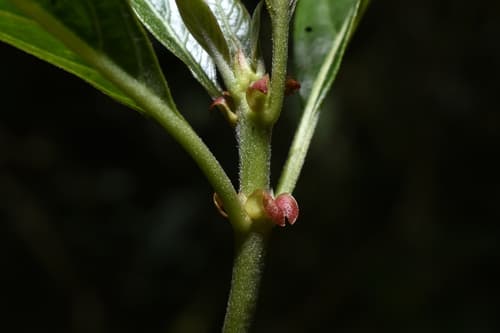
Cinchona anderssonii is an evergreen tree species, part of the genus Cinchona, known for its medicinal bark. It typically features simple, opposite leaves and produces small, often fragrant flowers in clusters.