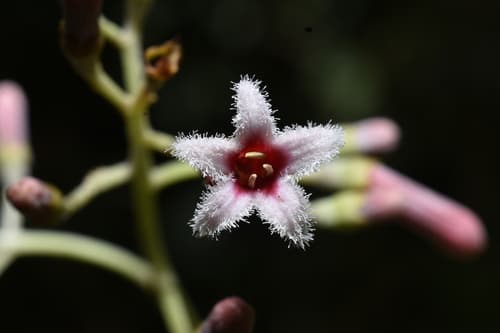
Cinchona
NameCinchona
Scientific NameCinchona anderssonii
Common NamesCinchona, Quinine Tree, Fever Tree
Plant FamilyRubiaceae
Natural HabitatNative to the tropical Andean forests of South America, Cinchona species thrive in humid, mountainous regions at high altitudes.
Parts Usedbark
Medicinal Actionsantimicrobial, astringent
Traditional UsesHistorically, the bark of Cinchona trees has been extensively used by indigenous peoples and later globally to treat malaria, fevers, and muscle cramps due to its potent antimalarial properties.
Active ConstituentsQuinine, Quinidine, Cinchonine, Cinchonidine
Preparation Methodsdecoction, powder, tincture
Contraindications & WarningsContraindicated in pregnancy, individuals with tinnitus, optic neuritis, or cardiac arrhythmias. Can interact with anticoagulants and other medications. High doses may lead to cinchonism, characterized by headache, dizziness, and blurred vision.
Cultivation NotesRequires tropical to subtropical climates with high humidity, well-drained acidic soil, and protection from strong winds. Often cultivated in mountainous regions similar to its native habitat.
Rarityuncommon
Description
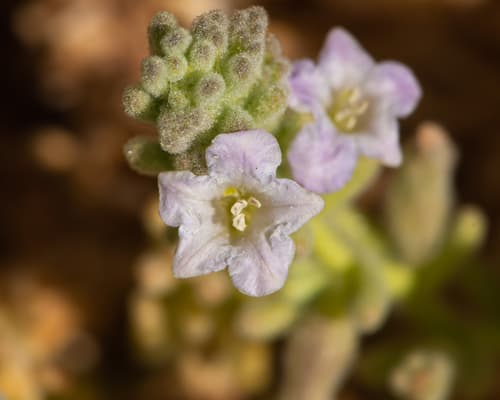
Cinchona is a genus of flowering plants in the family Rubiaceae, known for their medicinal bark. The species typically bear small, star-shaped flowers with fuzzy petals, often white to pink with a reddish center, as depicted in the image, and elongated buds.