Solanum pentlandii
NameSolanum pentlandii
Scientific NameSolanum pentlandii
Common NamesPentland's Wild Potato, Papa de los Andes
Plant FamilySolanaceae
Natural HabitatNative to the high-altitude regions of the Andes in South America, typically found growing in rocky slopes, disturbed areas, and agricultural margins.
Parts Usedleaf,whole_plant
Medicinal Actionsanti-inflammatory, antimicrobial
Traditional UsesTraditionally, some *Solanum* species, including wild relatives like *S. pentlandii*, have been used in folk medicine for topical applications to soothe skin irritations or reduce localized inflammation, often in poultice form. However, *S. pentlandii* is primarily known as a wild food source and genetic resource for cultivated potatoes, with specific medicinal uses not widely documented beyond general *Solanum* genus applications.
Active Constituentssteroidal glycoalkaloids (e.g., solanine, chaconine), saponins
Preparation Methodspoultice, powder
Contraindications & WarningsAll parts of *Solanum pentlandii*, especially uncooked tubers, leaves, and unripe fruits, contain toxic steroidal glycoalkaloids. Ingestion can cause severe gastrointestinal upset, neurological symptoms, and can be fatal. Not recommended for internal use without expert guidance and detoxification processes. Avoid during pregnancy, lactation, and in children.
Cultivation NotesThrives in cool, high-altitude environments with well-drained, fertile soil. Requires full sun exposure. It is typically propagated by seed or tuber and is valued for its genetic contributions to cultivated potato breeding.
Rarityuncommon
Description
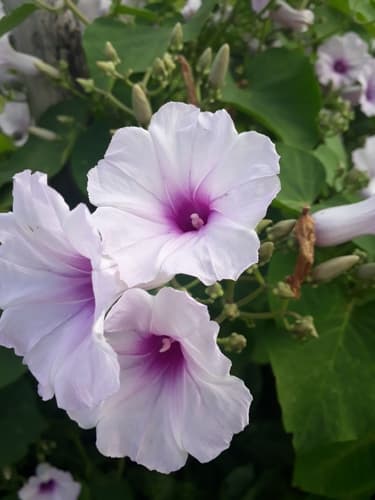
An herbaceous perennial plant characterized by its deeply lobed, green leaves and clusters of star-shaped, pale purple to blue flowers with prominent yellow anthers. It produces small, often bitter tubers. This species is a wild relative of the cultivated potato.