Capsicum caballeroi
NameCapsicum caballeroi
Scientific NameCapsicum caballeroi
Common NamesCaballero's Chili, Wild Bolivian Chili
Plant FamilySolanaceae
Natural HabitatNative to the humid, shaded understory of sub-Andean forests and cloud forests in Bolivia and Peru, typically found at elevations between 1000-2000 meters.
Parts Usedfruit,leaf
Medicinal Actionsanalgesic, anti-inflammatory, antioxidant, antimicrobial
Traditional UsesTraditionally, the fruits of Capsicum caballeroi, like other wild chilies, are used as a pungent spice and for medicinal purposes. They are applied topically as a poultice for pain relief from arthritis and muscle aches, and internally in small quantities as a digestive aid or stimulant. Leaves may also be used in some traditional preparations.
Active ConstituentsCapsaicin, Dihydrocapsaicin, Capsaicinoids, Carotenoids, Vitamin C
Preparation Methodspowder, tincture, poultice, infusion
Contraindications & WarningsMay cause skin and mucous membrane irritation, especially in high concentrations; avoid contact with eyes. Internal use in large quantities can cause gastric upset. May interact with blood-thinning medications due to potential effects on circulation.
Cultivation NotesPrefers warm, humid conditions with well-drained soil and partial shade, mimicking its natural understory habitat. Can be grown in containers in cooler climates, requiring protection from frost. Requires consistent moisture but is susceptible to root rot in waterlogged conditions.
Rarityuncommon
Description
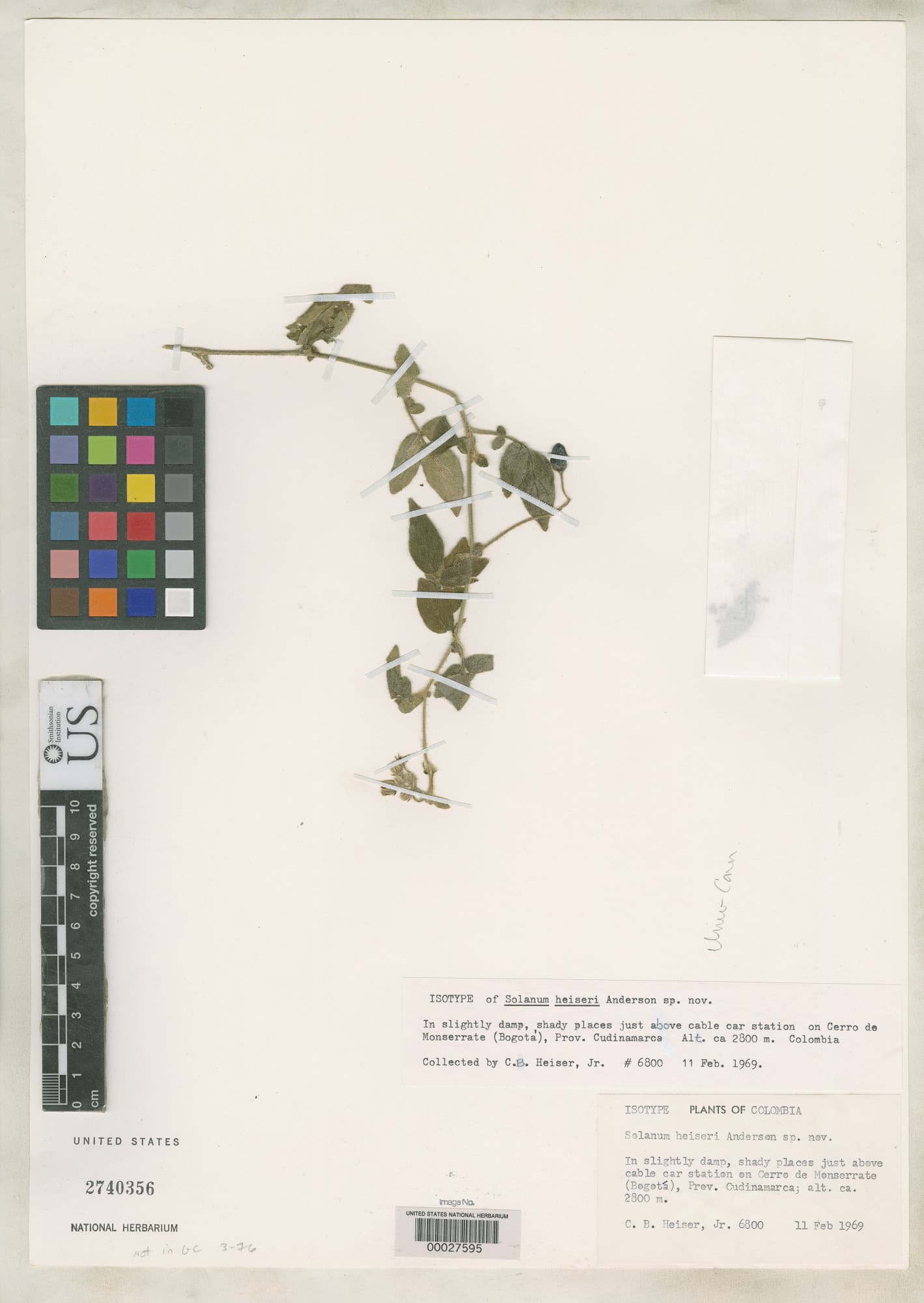
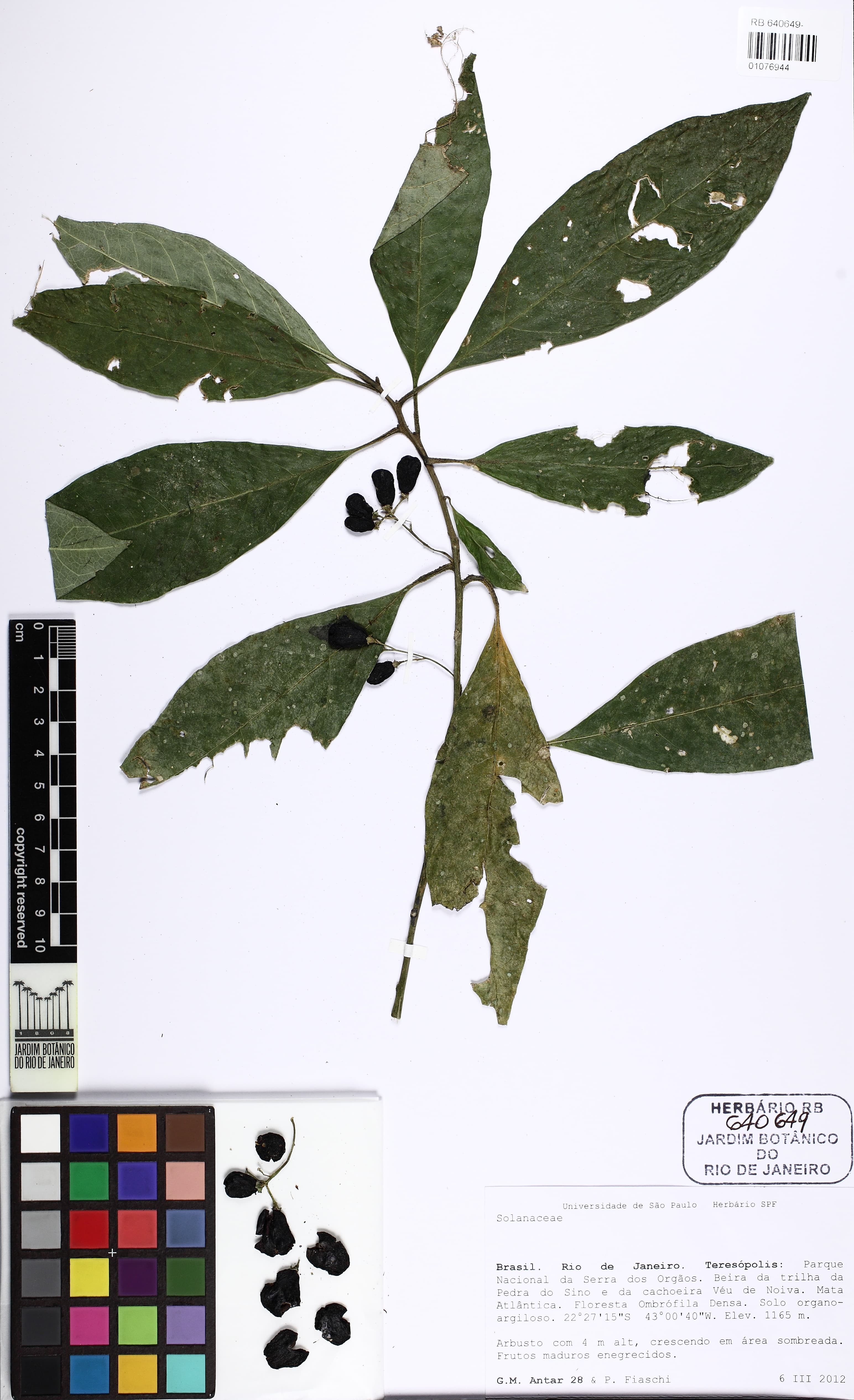
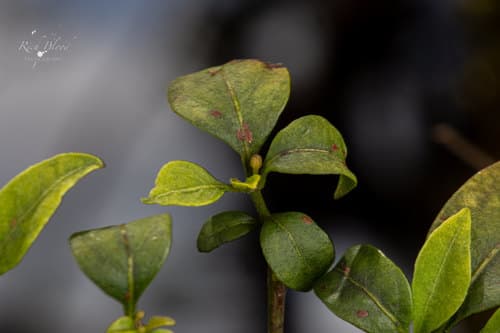
Capsicum caballeroi is a wild chili species native to the sub-Andean regions of Bolivia and Peru, growing as a small shrub or subshrub. It features ovate, green leaves and produces small, round, red, pungent fruits. The plant in the image shows characteristic green foliage with some minor reddish spots.