Cestrum glabrum
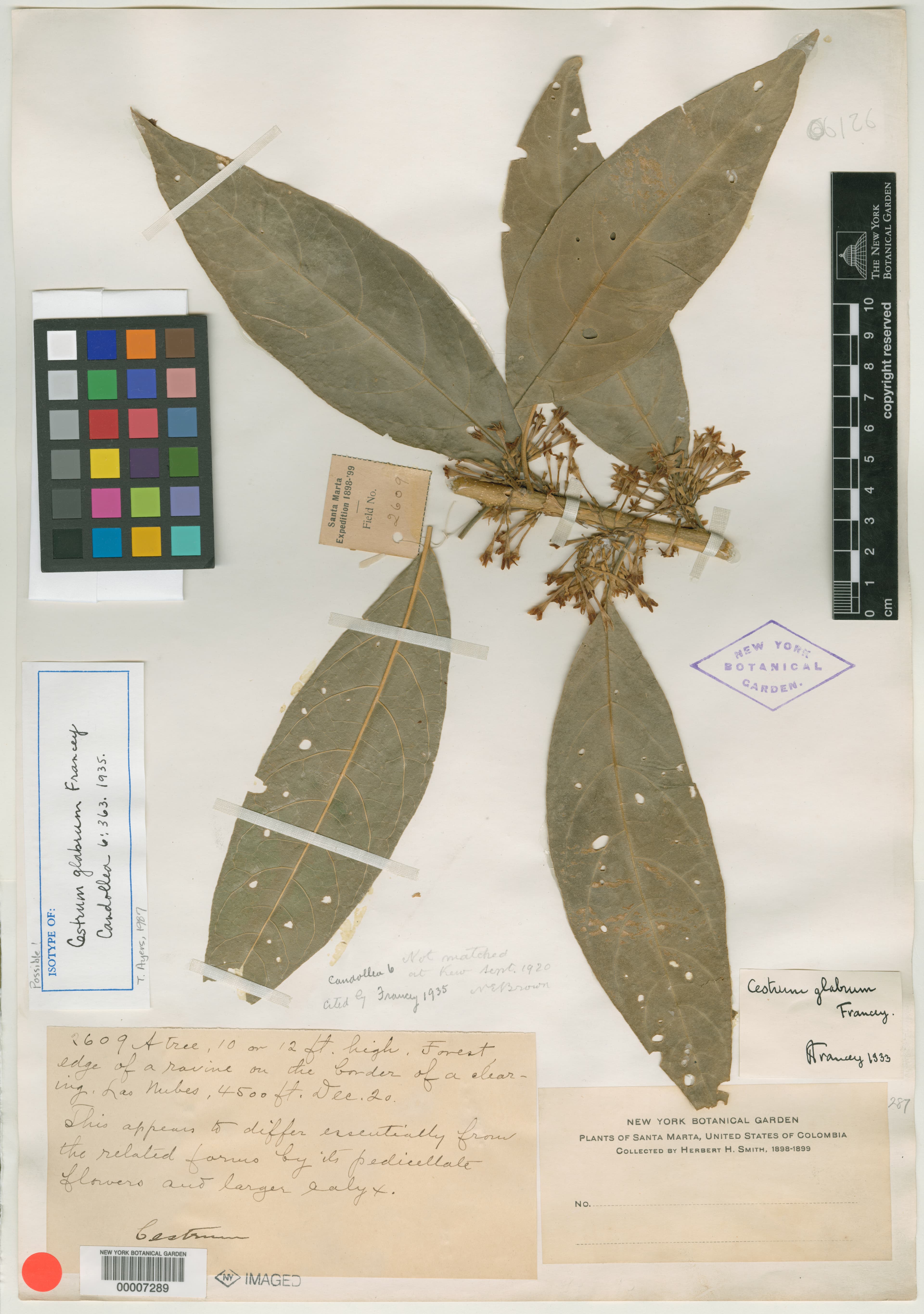
Image: The New York Botanical Garden (cc-by)
NameCestrum glabrum
Scientific NameCestrum glabrum Francey
Common NamesJazmín de noche
Plant FamilySolanaceae
Natural HabitatNative to tropical South America, particularly Colombia, found growing at forest edges and ravines at elevations around 4500 feet.
Parts Usedleaf,flower
Medicinal Actionsanalgesic, anti-inflammatory, antimicrobial, antioxidant
Traditional UsesWhile specific traditional uses for *Cestrum glabrum* are not widely documented, some species within the *Cestrum* genus are traditionally used in highly diluted forms or externally for conditions such as fever, pain, and inflammation. Due to significant toxicity, internal use is generally not recommended and requires extreme caution.
Active Constituentssteroidal saponins, alkaloids, glycosides
Preparation Methodsinfusion, decoction, poultice
Contraindications & WarningsAll parts of *Cestrum glabrum*, like many *Cestrum* species, are considered toxic. Ingestion can cause severe gastrointestinal upset, neurological symptoms (e.g., tremors, convulsions), and cardiac issues. Not safe for internal consumption without expert guidance and extreme caution. Avoid use by pregnant or nursing women and children.
Cultivation NotesPrefers tropical to subtropical climates with well-drained soil and full sun to partial shade. Can be propagated from seeds or cuttings. Requires protection from frost.
Rarityuncommon
Description
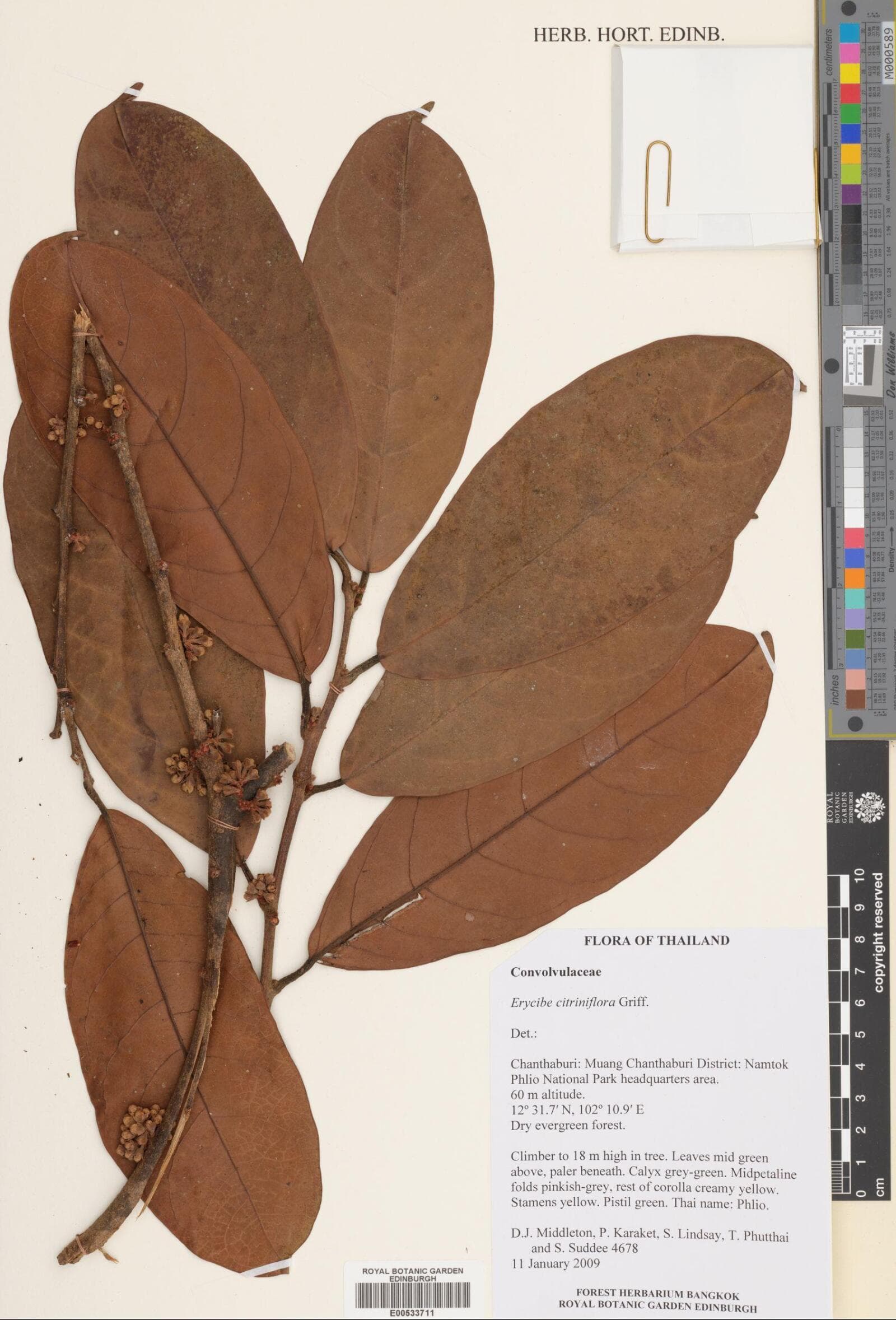
A small tree, typically 10-12 feet tall, characterized by ovate-lanceolate leaves and clusters of small, tubular flowers. The dried specimen shows brownish foliage and inflorescences. It is noted to differ from related forms by its pedicellate flowers and larger calyx.