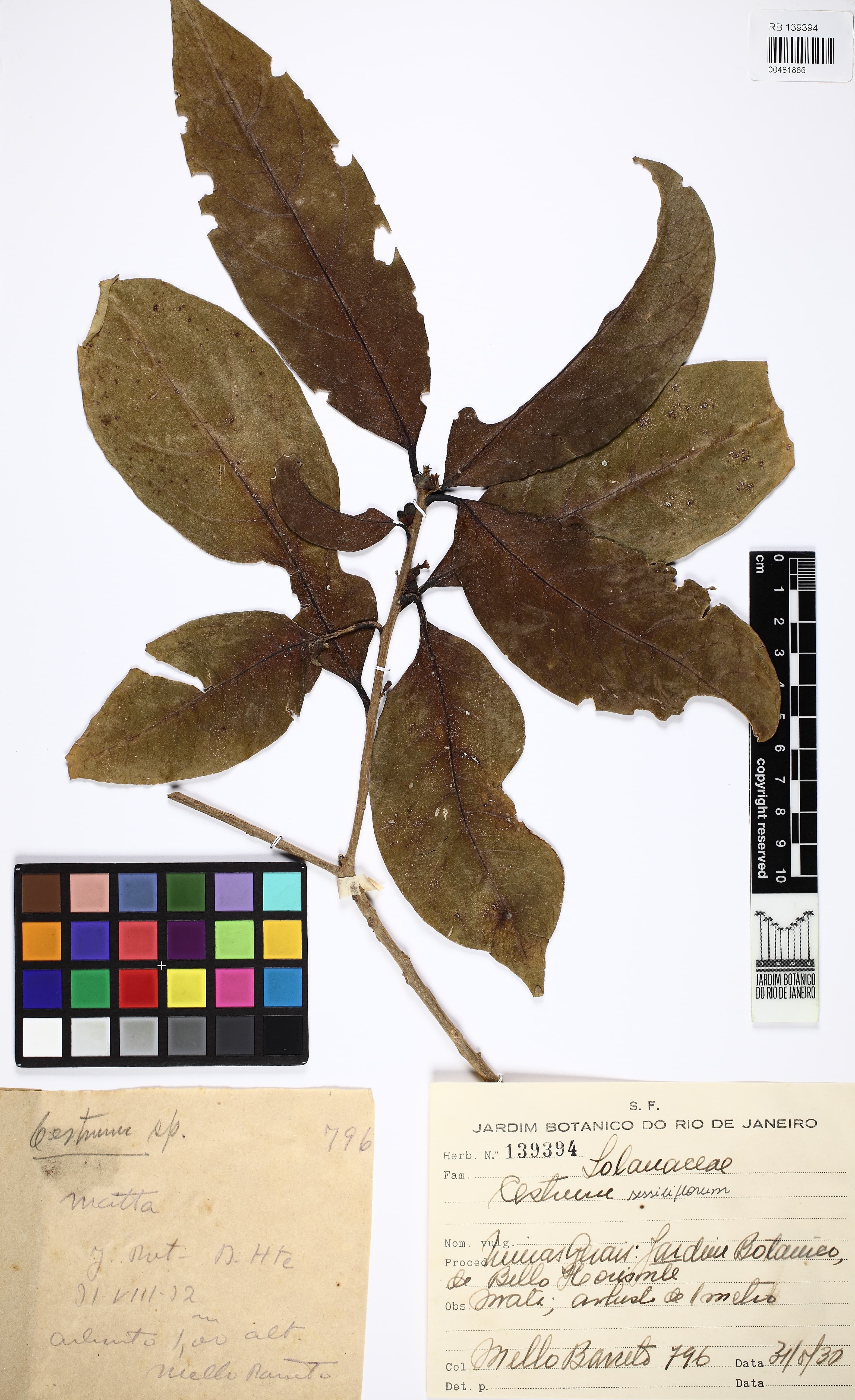
Cestrum sessiliflorum
Image: Mello Barreto (cc-by)
NameCestrum sessiliflorum
Scientific NameCestrum sessiliflorum Schott ex Sendtn.
Plant FamilySolanaceae
Natural HabitatNative to South America, particularly Brazil, where it grows in tropical and subtropical regions. It is often found in forest edges or disturbed areas and can be cultivated, as indicated by the specimen collected from the Botanical Garden of Rio de Janeiro.
Parts Usedleaf,whole_plant
Traditional UsesSpecific traditional medicinal uses for Cestrum sessiliflorum are not widely documented in ethnobotanical literature. However, the genus Cestrum is generally known for containing toxic compounds, and some species have been used cautiously in folk medicine for conditions such as fever, pain, or skin ailments, often with strict warnings due to potential toxicity.
Active ConstituentsSteroidal saponins, Alkaloids (e.g., solasodine), Glycosides
Contraindications & WarningsThe Cestrum genus is known to contain toxic compounds, including steroidal saponins and alkaloids, which can be poisonous if ingested. Symptoms of poisoning can include gastrointestinal upset, neurological effects, and cardiac issues. Due to its potential toxicity, Cestrum sessiliflorum should not be used internally without expert guidance, and caution is advised even with external applications.
Cultivation NotesCestrum sessiliflorum is a shrub that thrives in tropical and subtropical climates. It prefers well-drained soil and can tolerate a range of light conditions, from full sun to partial shade. It can be propagated by seeds or cuttings and is often grown as an ornamental plant in suitable regions.
Raritycommon
Description
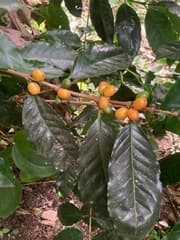
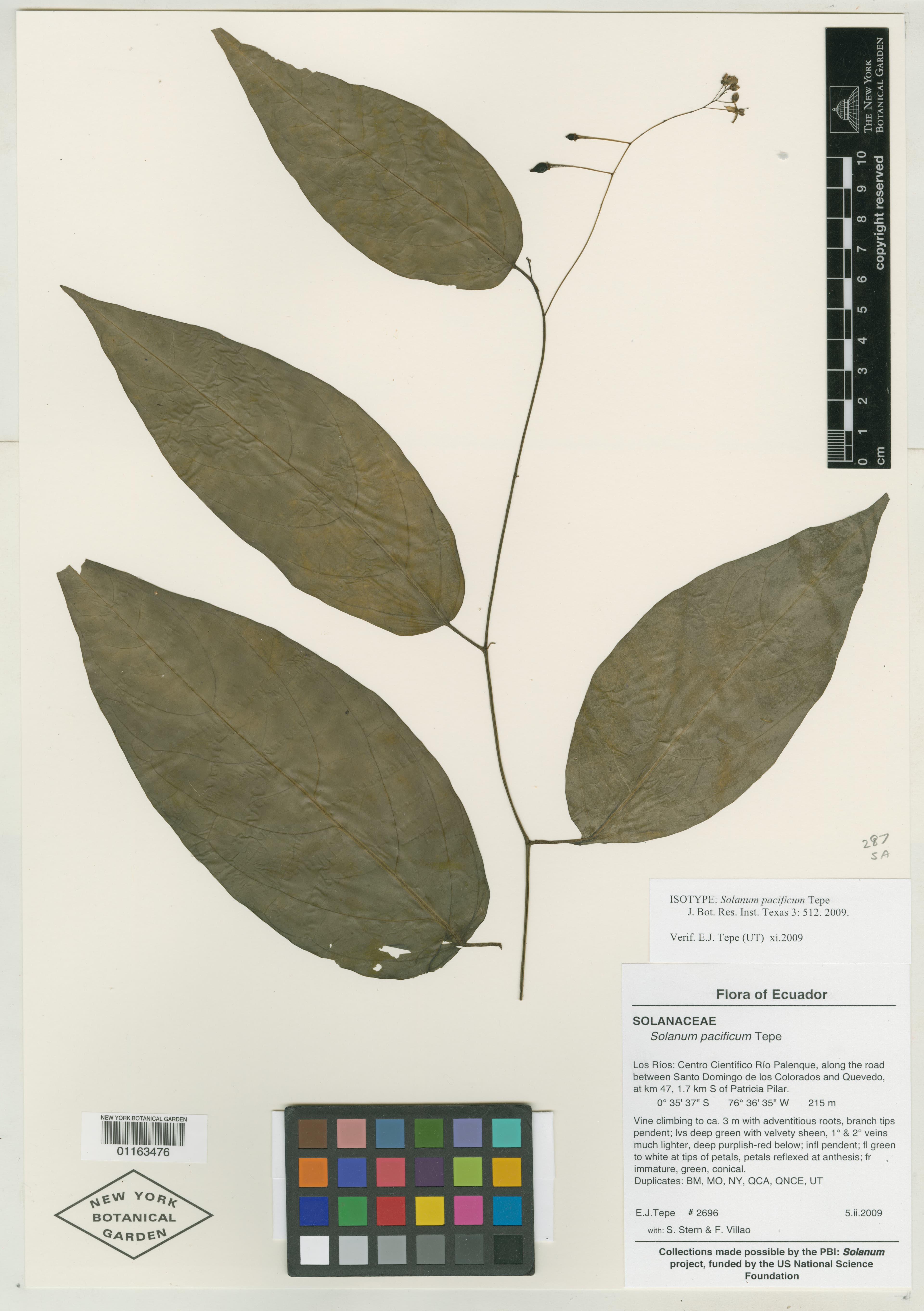
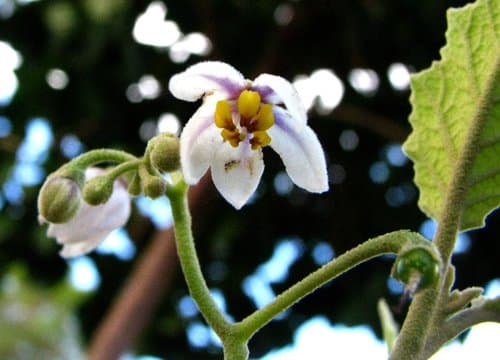
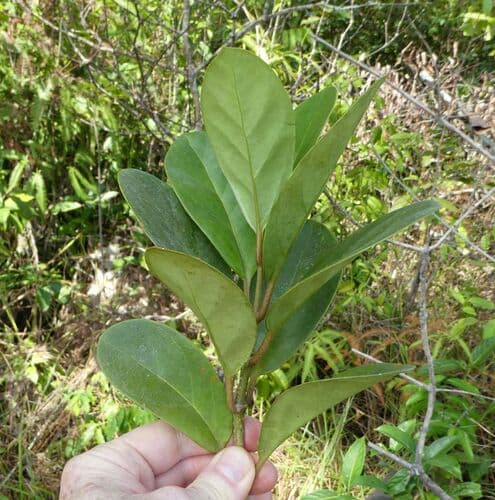
Cestrum sessiliflorum is a species of shrub characterized by its woody stems and alternate, simple leaves. The leaves are typically ovate to elliptic with entire margins, as seen in the dried herbarium specimen. This plant is a member of the nightshade family.