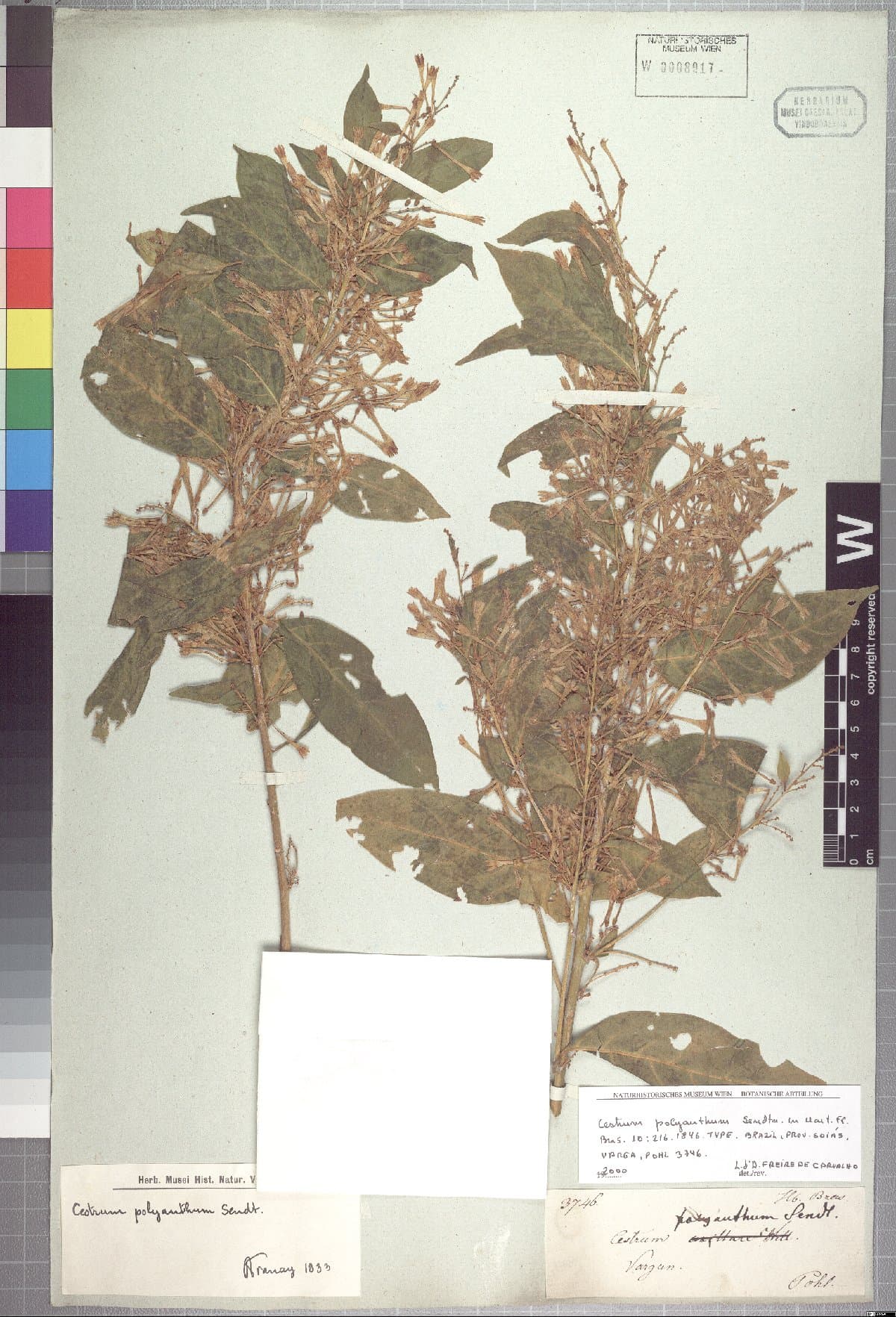
Cestrum polyanthum
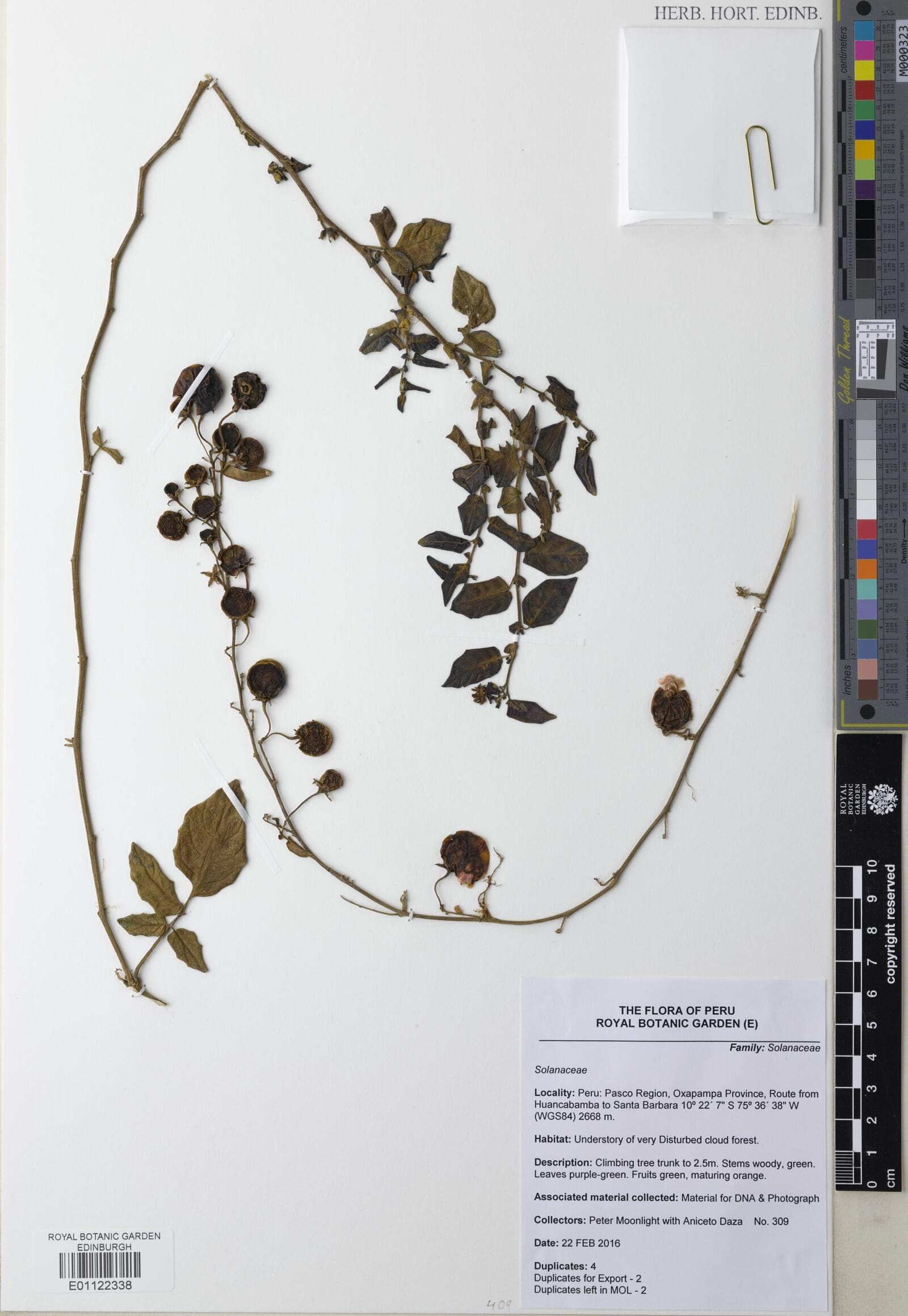
Image: Pohl,J.B.E. 3746 (cc-by)
NameCestrum polyanthum
Scientific NameCestrum polyanthum
Common NamesMany-flowered Cestrum, Cestrum
Plant FamilySolanaceae
Natural HabitatNative to South America, specifically Brazil (e.g., Goias province), thriving in tropical to subtropical regions. It is often found in open or disturbed areas within its native range.
Parts Usedleaf,bark
Medicinal Actionsanalgesic, anti-inflammatory, antimicrobial
Traditional UsesLimited traditional uses have been reported for various Cestrum species, including for fever, pain relief, and as a purgative, sometimes applied topically for skin conditions. However, these uses are associated with significant toxicity risks due to the plant's poisonous nature, and specific safe uses for Cestrum polyanthum are not well-documented.
Active Constituentssaponins, steroidal alkaloids, cardiac glycosides, flavonoids
Preparation Methodsinfusion, decoction, poultice
Contraindications & WarningsAll parts of Cestrum polyanthum are considered highly toxic. Ingestion can cause severe gastrointestinal upset, neurological symptoms (tremors, convulsions), respiratory distress, and cardiac issues. It is not recommended for internal use; avoid contact with skin and eyes. Strictly contraindicated for pregnant or breastfeeding women, children, and individuals with heart, liver, or kidney conditions. May interact with cardiac medications due to the presence of cardiotoxic glycosides.
Cultivation NotesThis species thrives in tropical to subtropical climates, preferring full sun to partial shade. It requires well-drained, fertile soil and moderate watering, becoming somewhat drought-tolerant once established. Propagation is typically by seeds or cuttings. Extreme caution is advised when cultivating due to its toxicity, especially in areas accessible to children and pets.
Raritycommon
Description
A woody shrub or small tree, typically characterized by alternate, simple, ovate to elliptic leaves. The plant produces dense, branched inflorescences with numerous small, tubular flowers, as observed in the pressed herbarium specimen.