Solanum stagnale
NameSolanum stagnale
Scientific NameSolanum stagnale
Plant FamilySolanaceae
Natural HabitatNative to South America (Brazil, Paraguay, Argentina, Uruguay), it thrives in open fields, disturbed areas, roadsides, pastures, and sometimes near water bodies or in marshy environments.
Parts Usedleaf,root
Medicinal Actionsanti-inflammatory, analgesic, antimicrobial
Traditional UsesWhile specific traditional uses for Solanum stagnale are not widely documented, many species within the Solanum genus are traditionally used in folk medicine for their anti-inflammatory and analgesic properties, often applied topically for skin ailments, wounds, and to alleviate pain. Some related species are also used for respiratory issues or as diuretics.
Active Constituentssteroidal glycoalkaloids, flavonoids, phenolic compounds
Preparation Methodsinfusion, decoction, poultice
Contraindications & WarningsDue to the presence of steroidal glycoalkaloids, particularly in unripe fruits and other plant parts, ingestion can be toxic, causing gastrointestinal upset and neurological symptoms. It should be avoided by pregnant or nursing women, children, and individuals with pre-existing medical conditions. Consult a healthcare professional before use.
Cultivation NotesThis species prefers tropical to subtropical climates, thriving in full sun and well-drained soils. It can be quite hardy and may become weedy in disturbed areas within its native range.
Raritycommon
Description
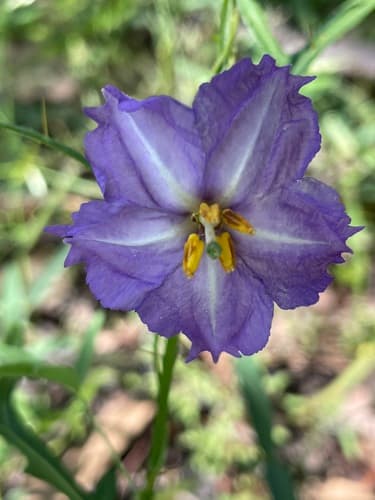
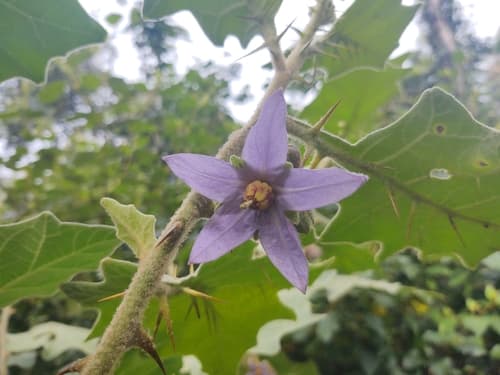
Solanum stagnale is a prickly, erect shrub or subshrub, typically growing 1-2 meters tall, characterized by stems and leaves densely covered in stellate hairs and sharp prickles. It produces star-shaped, purple flowers with prominent yellow anthers, typical of the Solanum genus.