Cestrum obovatum
NameCestrum obovatum
Scientific NameCestrum obovatum
Common NamesHediondilla
Plant FamilySolanaceae
Natural HabitatNative to tropical and subtropical regions of Central and South America, often found in disturbed areas, forest edges, and secondary growth.
Parts Usedleaf,bark
Medicinal Actionsanti-inflammatory, analgesic, antimicrobial
Traditional UsesTraditionally, the leaves of Cestrum obovatum have been used externally as poultices for skin inflammations, wounds, and pain relief. In some traditional systems, highly diluted preparations were used internally as a purgative or for fevers, but this carries significant risk due to toxicity.
Active Constituentstropane alkaloids, saponins, steroidal glycosides
Preparation Methodspoultice, infusion
Contraindications & WarningsAll parts of Cestrum obovatum are considered toxic due to the presence of alkaloids and saponins. Internal use is highly discouraged and potentially dangerous, leading to gastrointestinal upset, neurological symptoms, and cardiac issues. Avoid use by pregnant or nursing women, children, and individuals with heart conditions or gastrointestinal sensitivities. Skin irritation may occur with topical application.
Cultivation NotesThis plant thrives in warm, tropical to subtropical climates with well-drained soil. It prefers full sun to partial shade and can be grown as an ornamental shrub.
Raritycommon
Description
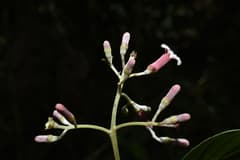
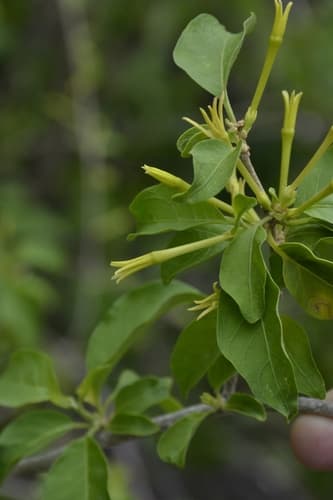
Cestrum obovatum is a shrub or small tree characterized by simple, alternate, ovate to obovate leaves. It produces clusters of slender, tubular, greenish-yellow flowers that emerge from the leaf axils.