Alangium alpinum
NameAlangium alpinum
Scientific NameAlangium alpinum
Common NamesAlpine Alangium, Mountain Alangium
Plant FamilyCornaceae
Natural HabitatNative to tropical and subtropical montane forests, typically found at higher altitudes in Southeast Asia and parts of the Himalayas. It thrives in moist, well-drained soils.
Parts Usedbark,root,leaf
Medicinal Actionsanalgesic, anti-inflammatory, antimicrobial
Traditional UsesTraditionally, various parts of Alangium alpinum have been used in indigenous medicine to treat pain, inflammation, fevers, and certain skin conditions. It has also been employed for its emetic and purgative properties in specific traditional contexts.
Active Constituentsalkaloids, tannins, flavonoids
Preparation Methodsdecoction, powder
Contraindications & WarningsDue to the presence of potent alkaloids, Alangium alpinum should be used with caution. It is contraindicated in pregnancy, lactation, and for young children, and high doses can induce vomiting or purgation.
Cultivation NotesPrefers a tropical or subtropical montane climate with consistent moisture and well-drained, humus-rich soil. Can be propagated from seeds or stem cuttings, requiring partial shade when young.
Rarityuncommon
Description
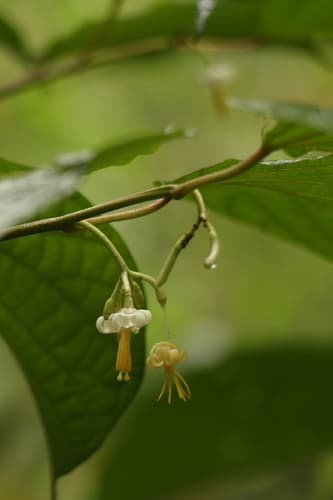
Alangium alpinum is a small tree or shrub characterized by simple, alternate leaves and pendulous, creamy-white to pale yellow flowers. Its distinctive flowers feature an elongated tubular calyx and prominent stamens, often appearing in clusters along the stem.