Cestrum martii
NameCestrum martii
Scientific NameCestrum martii
Plant FamilySolanaceae
Natural HabitatNative to Brazil, typically found in dry forests, cerrado, and caatinga biomes at various altitudes. It prefers well-drained soils and can tolerate periods of drought.
Parts Used
Traditional UsesThere are no widely documented safe traditional medicinal uses for Cestrum martii. Like many species in the genus Cestrum, it is considered toxic, particularly its berries and leaves, and ingestion can cause adverse effects in humans and livestock.
Active Constituentssteroidal saponins, alkaloids
Contraindications & WarningsAll parts of Cestrum martii, especially the berries, are considered toxic. Ingestion can lead to gastrointestinal upset, neurological symptoms, and is potentially fatal. It should not be used internally or externally for medicinal purposes.
Cultivation NotesThis species can be cultivated as an ornamental in suitable climates, preferring full sun to partial shade and well-drained soil. It is relatively drought-tolerant once established.
Raritycommon
Description
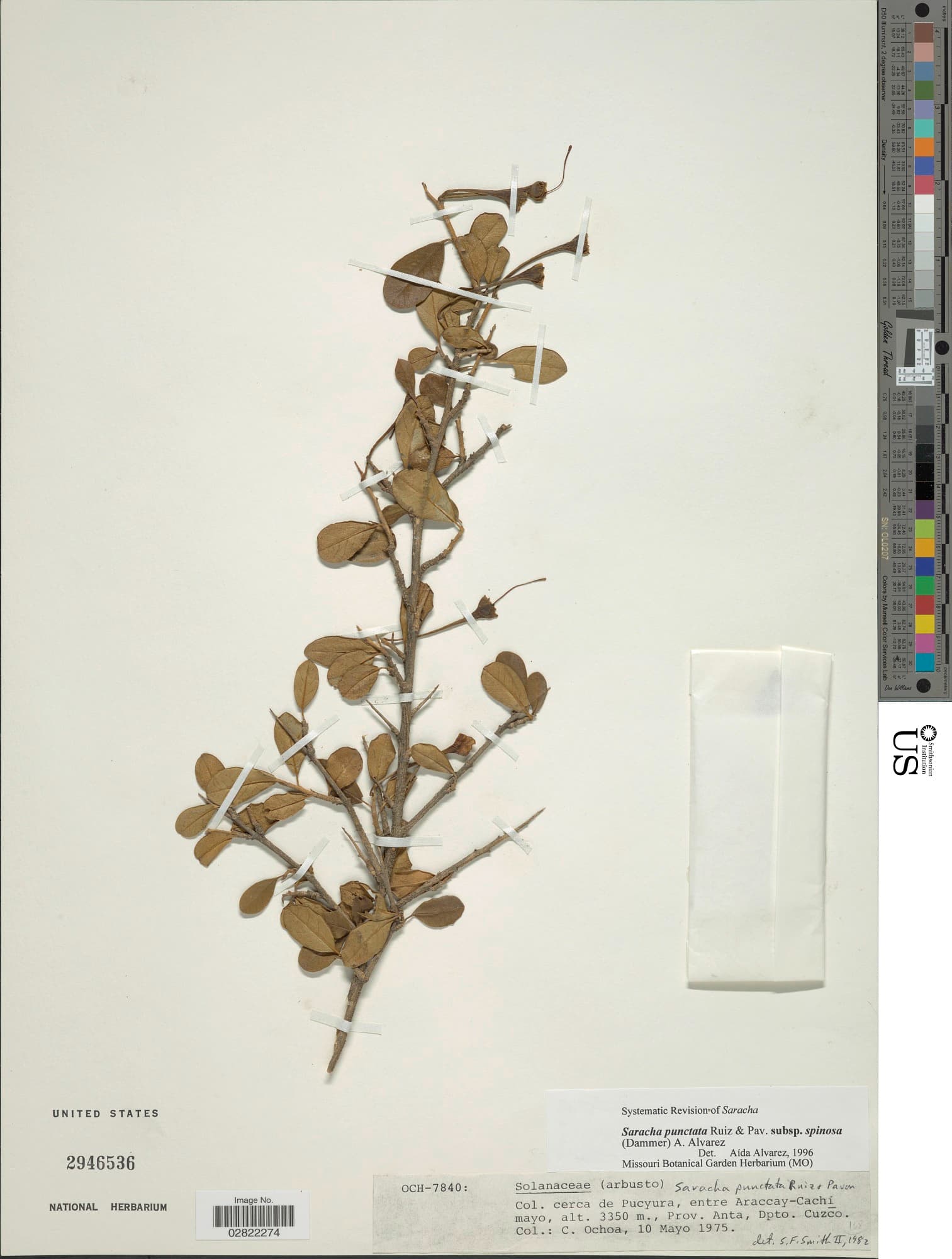
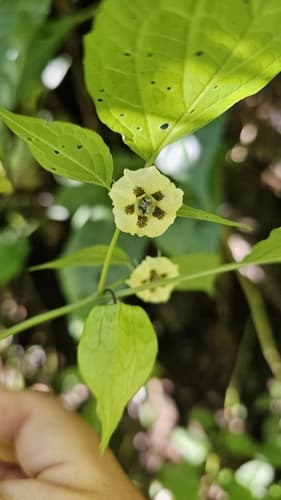
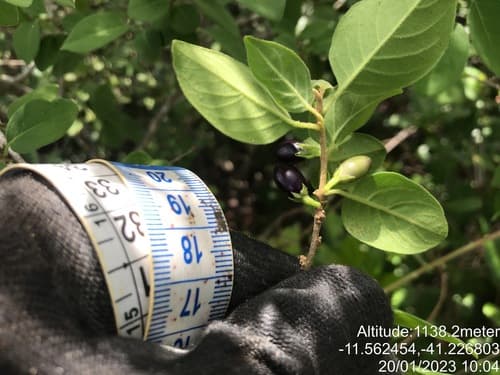
Cestrum martii is a shrub or small tree native to South America, characterized by simple, alternate, ovate-elliptic leaves with entire margins. It produces small, tubular flowers (not visible) followed by berries that ripen from light green to a dark purple or black color, as seen in the image.