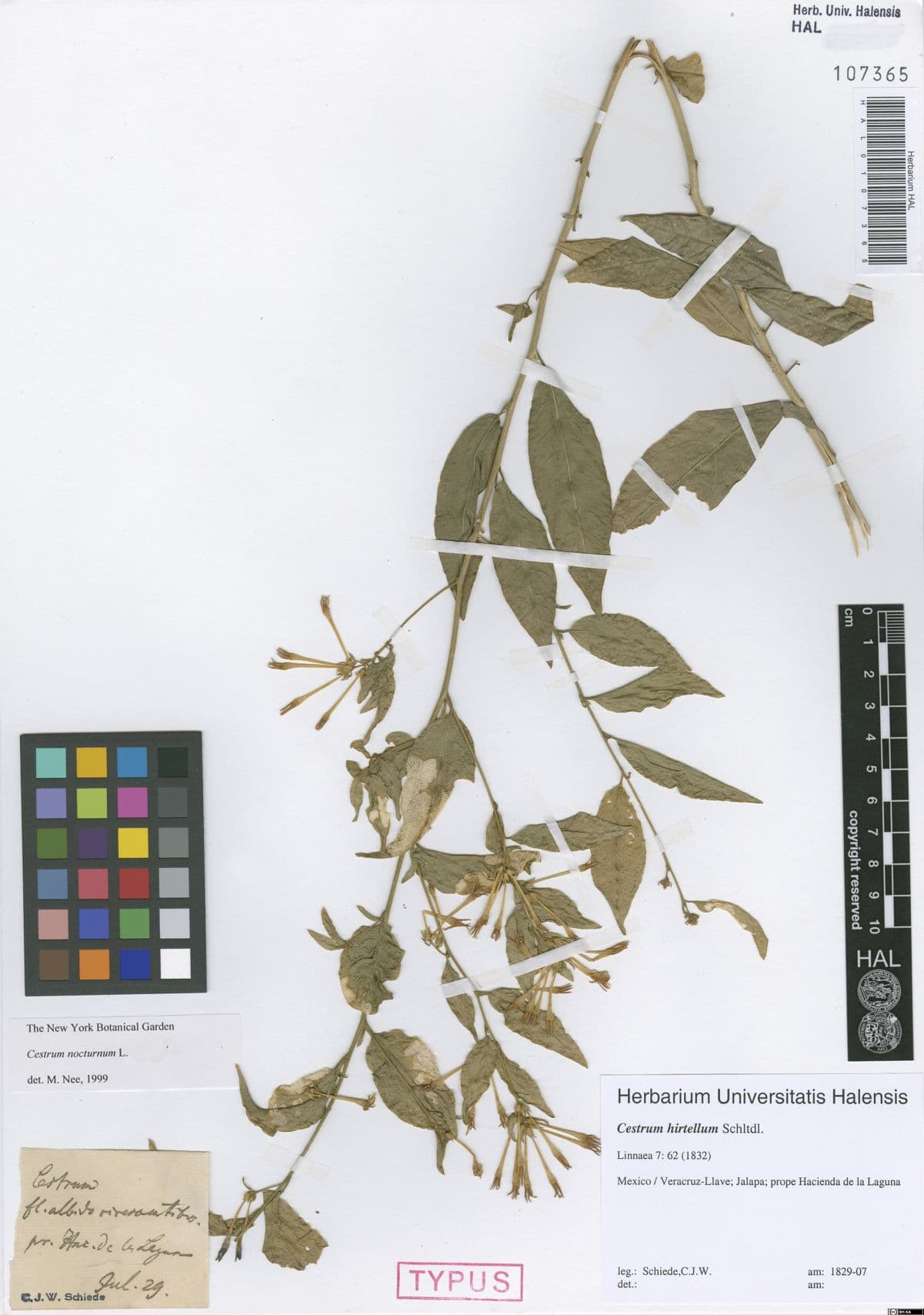
Cestrum hirtellum
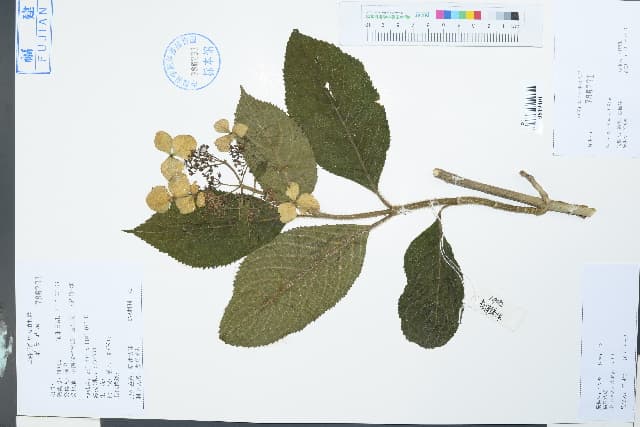
Image: Schiede,C.J.W. s.n. [1829-07] (cc-by)
NameCestrum hirtellum
Scientific NameCestrum hirtellum Schltdl.
Common NamesHairy Cestrum, Mexican Cestrum
Plant FamilySolanaceae
Natural HabitatNative to tropical and subtropical regions of Mexico, particularly found in areas like Veracruz. It often grows in disturbed sites, forest edges, or near human habitations at moderate elevations.
Parts Usedleaf,flower
Medicinal Actionsanalgesic, anti-inflammatory
Traditional UsesTraditionally, some Cestrum species have been used externally as poultices for pain and inflammation. Internal use is highly discouraged due to the plant's significant toxicity, though some historical records mention very cautious internal use for fevers or as a diuretic in extremely small, controlled doses.
Active ConstituentsSteroidal glycoalkaloids, Saponins, Flavonoids
Preparation Methodspoultice, infusion, decoction
Contraindications & WarningsAll parts of Cestrum hirtellum are considered toxic if ingested, potentially causing gastrointestinal upset, neurological symptoms, and respiratory distress. It is strictly contraindicated for internal use, especially during pregnancy, lactation, and in children. Avoid contact with open wounds.
Cultivation NotesPrefers full sun to partial shade and well-drained, fertile soil. It is a tropical to subtropical shrub that requires regular watering and protection from frost. Can be propagated by seeds or stem cuttings.
Rarityuncommon
Description
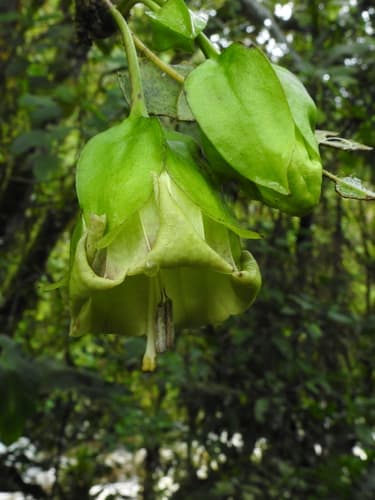
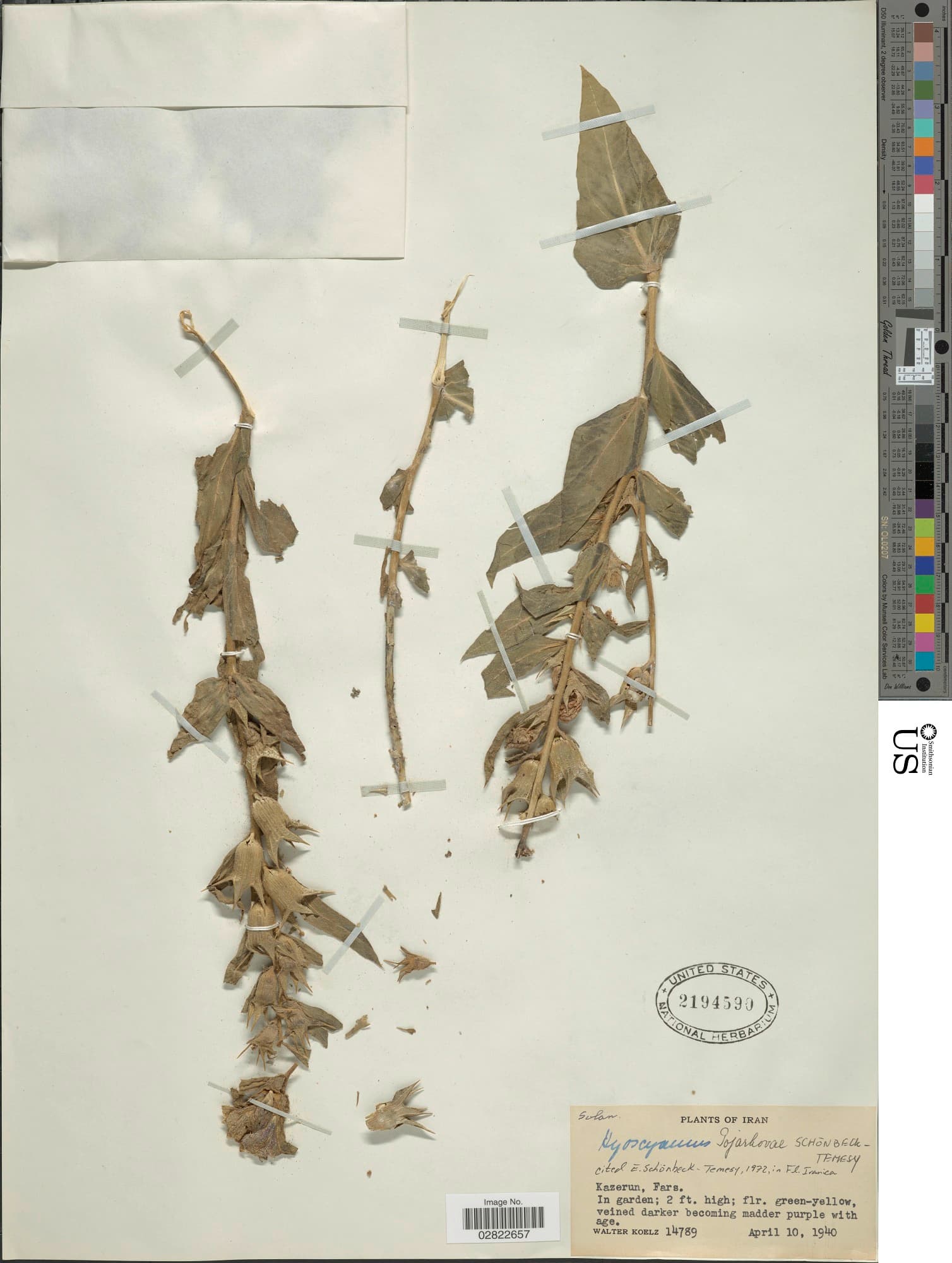
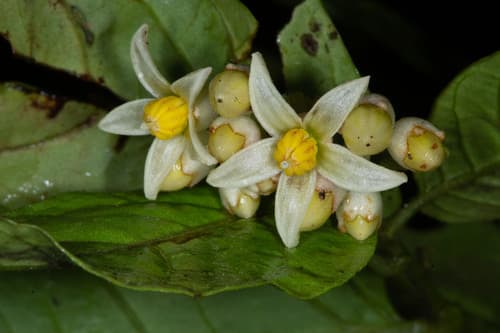
Cestrum hirtellum is a shrub characterized by alternate, simple, ovate-lanceolate leaves and clusters of tubular, often greenish-yellow or white flowers that emerge from leaf axils or terminally. The plant typically has a somewhat hairy or pubescent texture on its stems and leaves.