Cestrum heterophyllum
Image: Conveyor Belt (cc0)
NameCestrum heterophyllum
Scientific NameCestrum heterophyllum Urb.
Plant FamilySolanaceae
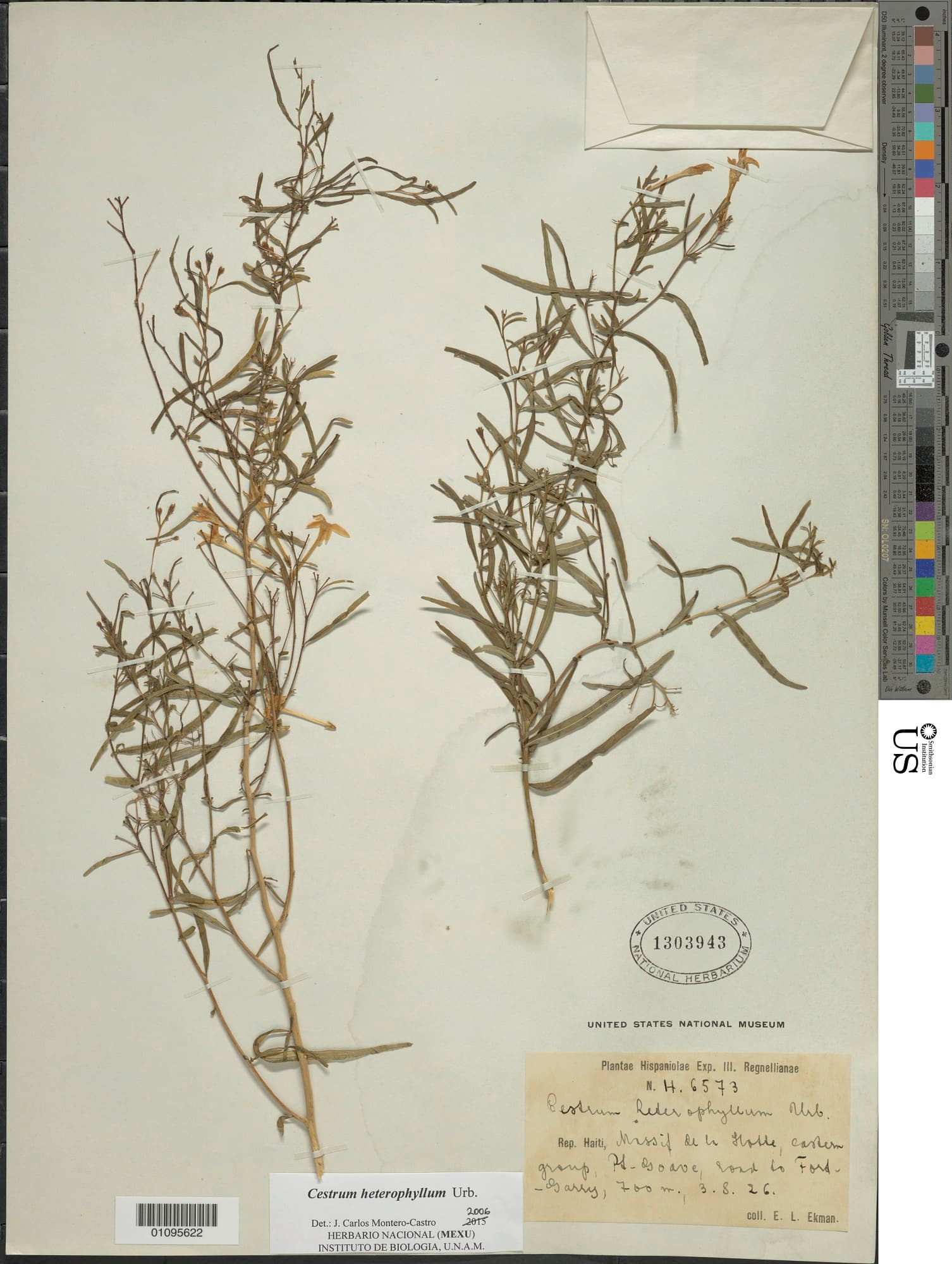
Natural HabitatNative to tropical and subtropical regions, specifically documented in mountainous areas of Haiti (e.g., Massif de la Selle), at elevations around 700 meters. It thrives in well-drained soils and can be found in open woodlands or disturbed areas.
Parts Usedleaf,flower
Medicinal Actionsanalgesic, anti-inflammatory, antimicrobial
Traditional UsesWhile specific traditional uses for Cestrum heterophyllum are not widely documented, other species within the Cestrum genus are traditionally used for their analgesic, anti-inflammatory, and antipyretic properties. Preparations are often applied externally for pain relief, fevers, and various skin conditions, or internally with extreme caution due to toxicity.
Active Constituentssteroidal saponins, alkaloids, glycosides
Preparation Methodsinfusion, poultice, decoction
Contraindications & WarningsAll Cestrum species are generally considered toxic due to the presence of solanine-like alkaloids and saponins, which can cause gastrointestinal upset, neurological symptoms, and cardiac issues if ingested. Use is strongly discouraged without expert guidance, and external application should be done with caution. Not safe for internal consumption.
Cultivation NotesThis species prefers tropical to subtropical climates, requiring well-drained soil and full sun to partial shade. It can be propagated from seeds or cuttings and generally requires moderate watering once established.
Rarityuncommon
Description
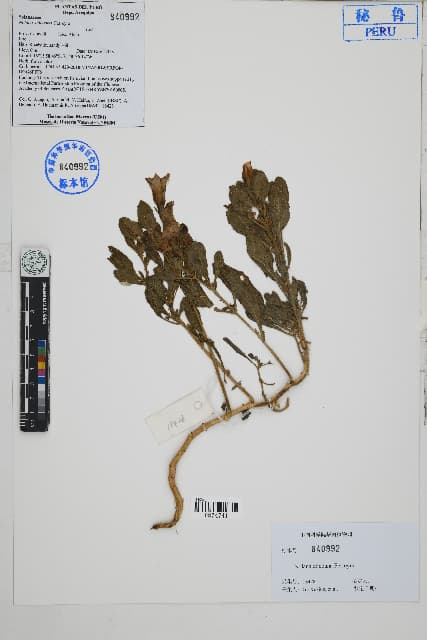
Cestrum heterophyllum is a slender shrub or small tree, characterized by alternate, simple, lanceolate to elliptic leaves. Its flowers are typically small and tubular, often appearing in terminal or axillary clusters, and are followed by small berries.