Hydrangea viburnoides
NameHydrangea viburnoides
Scientific NameHydrangea viburnoides
Common NamesViburnum-like Hydrangea
Plant FamilyHydrangeaceae
Natural HabitatNative to forests and thickets in mountainous regions of China, typically found at elevations between 1000 and 2500 meters.
Parts Usedroot,leaf,flower
Medicinal Actionsdiuretic, anti-inflammatory, astringent
Traditional UsesTraditionally, various Hydrangea species, including those related to H. viburnoides, have been used in herbal medicine to support urinary tract health. They are often employed to help dissolve kidney and bladder stones, alleviate symptoms of bladder infections, and reduce inflammation associated with prostate issues by promoting urine flow.
Active Constituentshydrangin, hydrangenol, saponins, flavonoids
Preparation Methodsdecoction, tincture, infusion
Contraindications & WarningsLarge doses may cause dizziness, nausea, and vomiting due to potential cyanogenic glycosides. It should be used with caution in individuals with kidney disease and is generally not recommended for pregnant or breastfeeding women. May interact with diuretics or blood-thinning medications.
Cultivation NotesPrefers moist, well-drained soil and partial shade, though it can tolerate full sun if soil moisture is consistently maintained. It is hardy in temperate climates and benefits from regular watering.
Rarityuncommon
Description
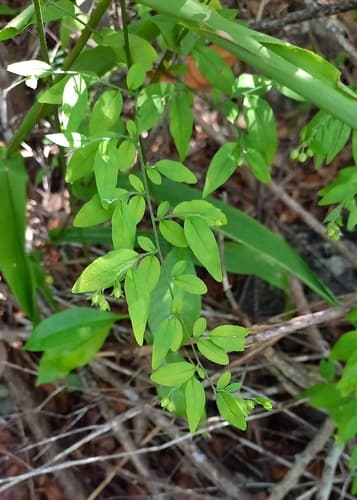
Hydrangea viburnoides is a deciduous shrub or small tree characterized by its dark green, ovate leaves. It produces terminal clusters of numerous small, white, star-like flowers with prominent stamens, giving the inflorescence a fluffy appearance.