Cestrum glomeratum
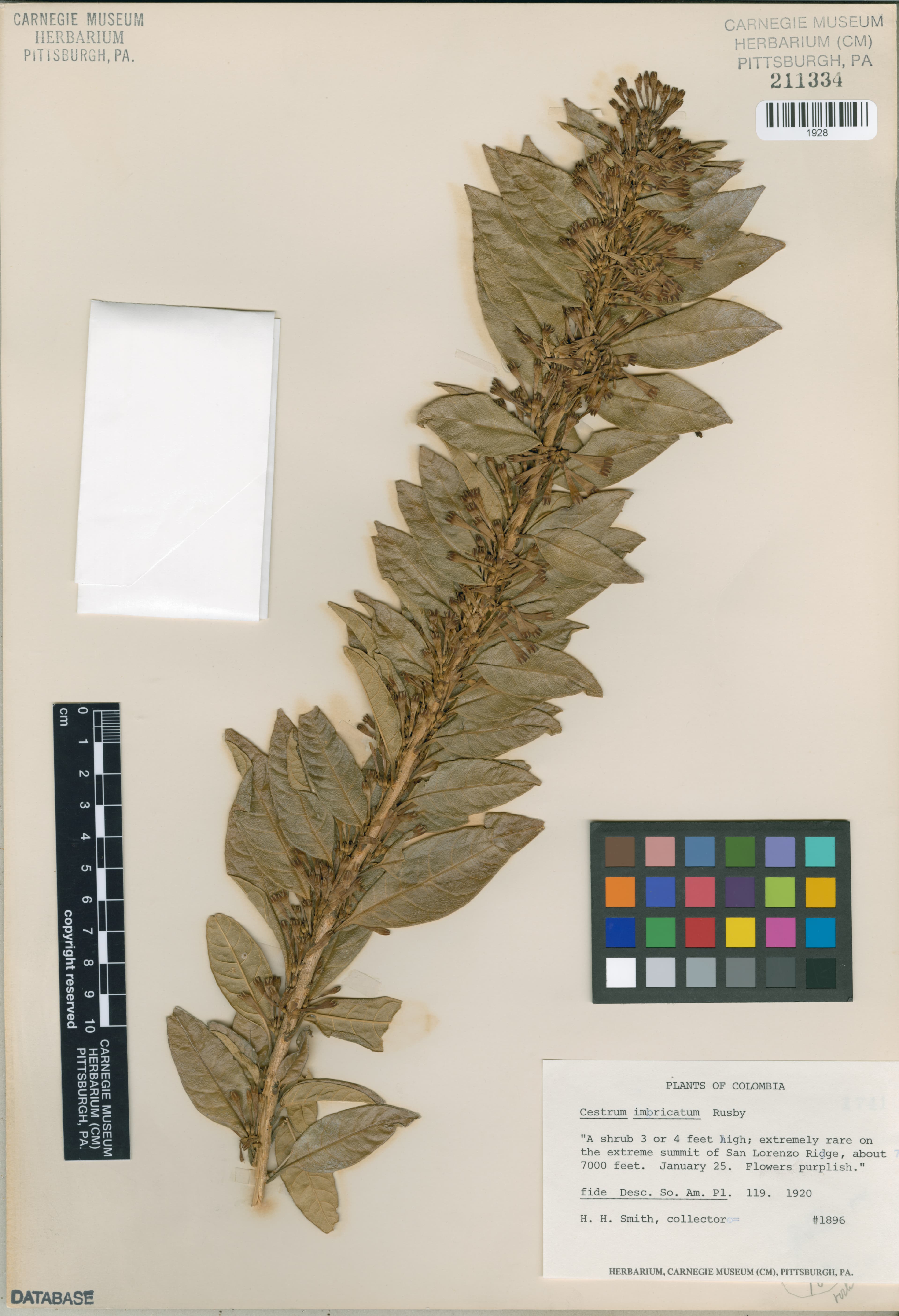
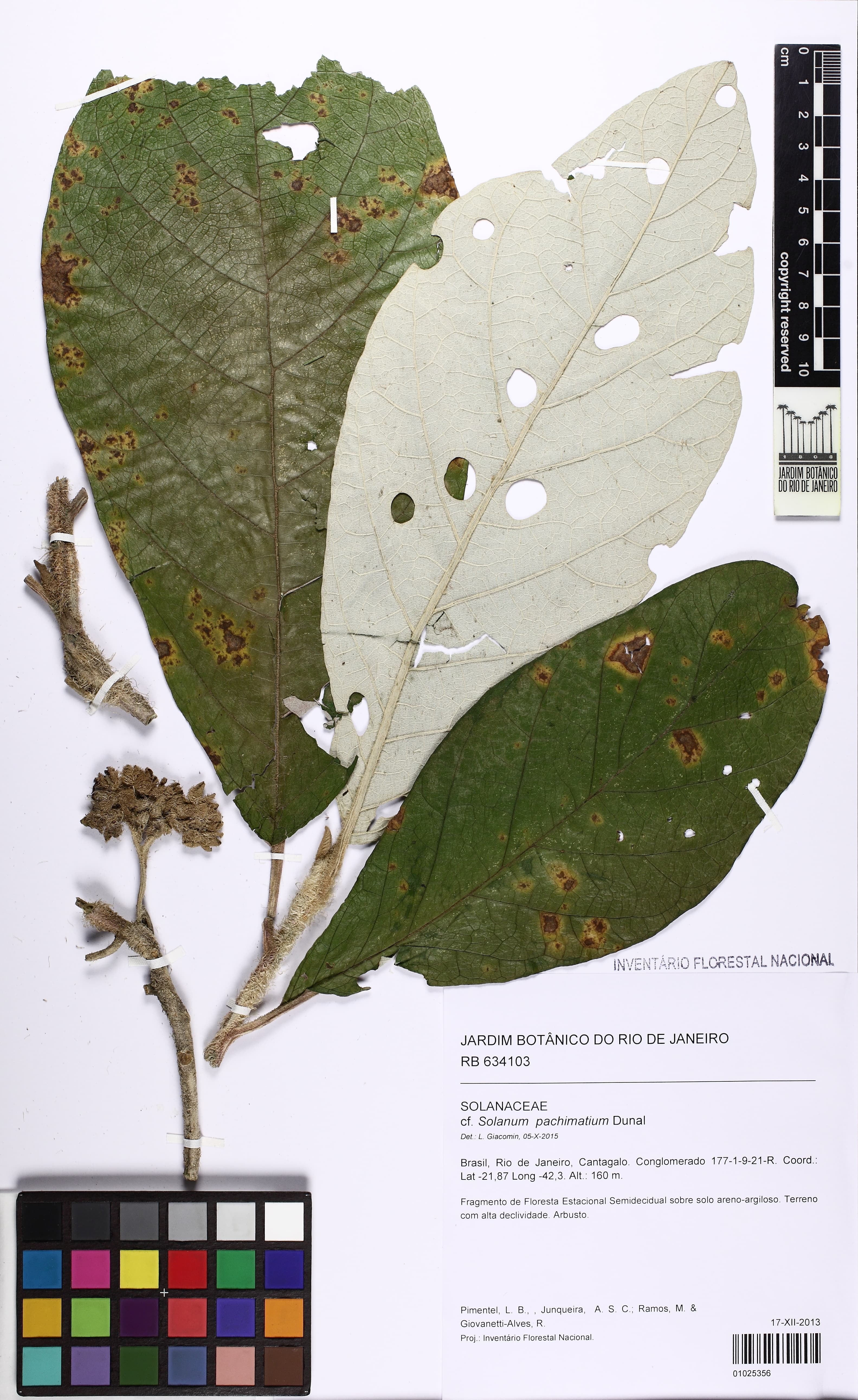
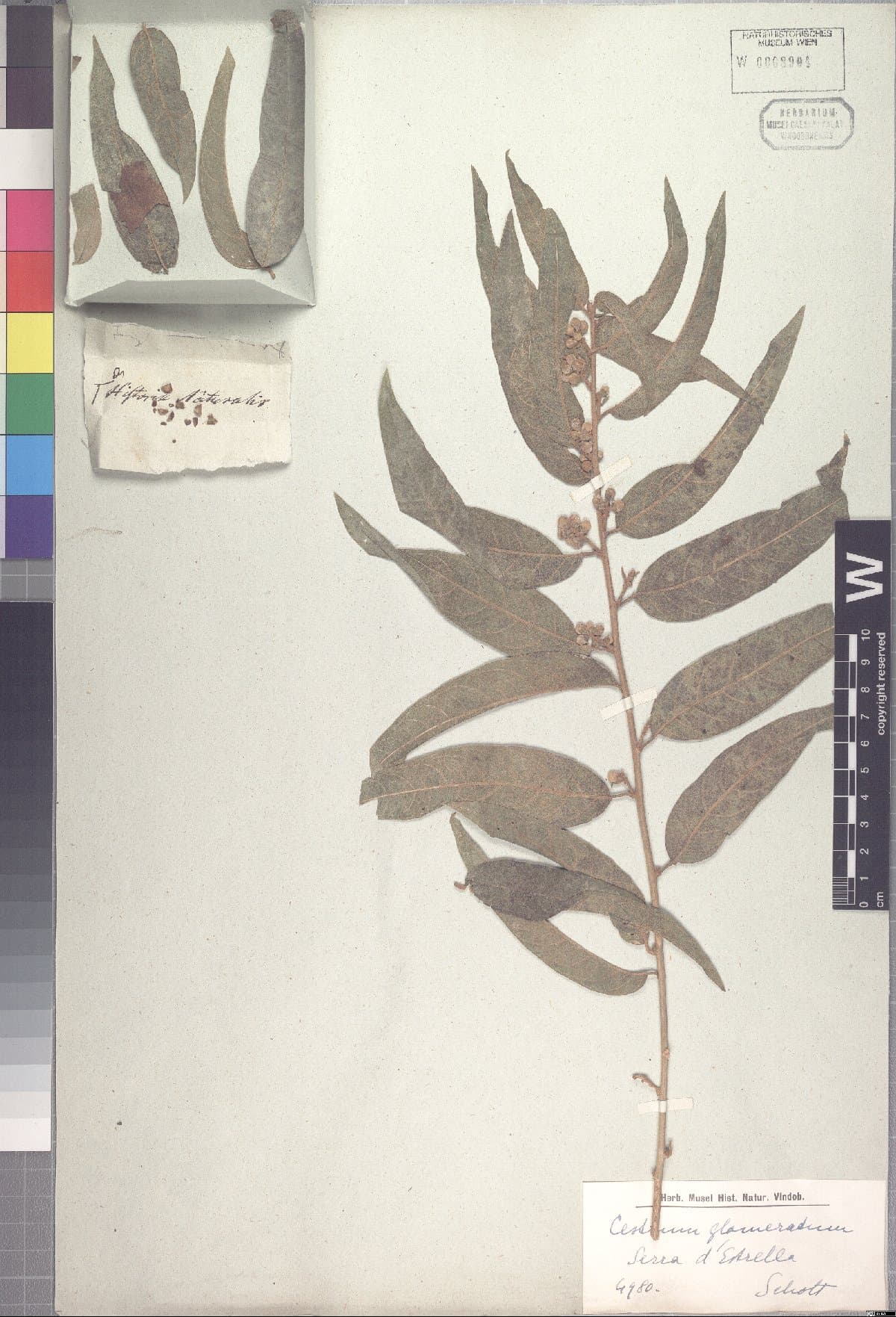
Image: Schott,H.W. 4980 (cc-by)
NameCestrum glomeratum
Scientific NameCestrum glomeratum Schott ex Sendtn.
Plant FamilySolanaceae
Natural HabitatNative to South America, particularly Brazil, where it grows in various environments including forest margins, open woodlands, and disturbed areas.
Parts Used
Traditional UsesWhile some species within the Cestrum genus have been used in traditional folk medicine, specific safe and documented medicinal applications for Cestrum glomeratum are not widely recognized in ethnobotanical literature. The genus is generally known for its toxic properties.
Active ConstituentsSteroidal glycoalkaloids, Saponins
Contraindications & WarningsAll parts of Cestrum glomeratum are considered toxic if ingested, due to the presence of steroidal glycoalkaloids and saponins. Internal use is strongly contraindicated and can lead to severe gastrointestinal distress, neurological symptoms, and potentially death. Avoid contact with skin and eyes, and keep away from children and pets.
Cultivation NotesTypically grown as an ornamental in tropical and subtropical climates. It prefers well-drained soil and thrives in full sun to partial shade. Propagation can be achieved through seeds or cuttings.
Rarityuncommon
Description
Cestrum glomeratum is a shrub or small tree characterized by its simple, alternate leaves and clusters of small, tubular flowers. The species name 'glomeratum' refers to its clustered inflorescences, which develop into berries.