Cestrum farinosum
Image: Karin dos Santos (S) (cc-by)
NameCestrum farinosum
Scientific NameCestrum farinosum
Plant FamilySolanaceae
Natural HabitatNative to the Caribbean, particularly Hispaniola, typically found in dry to moist forests or thickets at various elevations.
Parts Usedleaf,flower,stem
Traditional UsesSpecific traditional medicinal uses for Cestrum farinosum are not widely documented. Other species within the Cestrum genus have been traditionally used for various ailments, including fevers, pain, and inflammation, but often with significant caution due to their toxic properties.
Active Constituentssteroidal saponins, alkaloids, flavonoids
Contraindications & WarningsAll parts of Cestrum species, including Cestrum farinosum, are generally considered toxic due to the presence of steroidal saponins and alkaloids. Ingestion can cause gastrointestinal upset, neurological symptoms, and can be fatal, especially to livestock. Use in humans is highly discouraged without expert guidance and specific knowledge of safe preparations, which are not documented for this species.
Cultivation NotesCestrum species generally prefer warm climates, well-drained soil, and full sun to partial shade. They can be grown from seeds or cuttings and often require moderate watering.
Rarityuncommon
Description
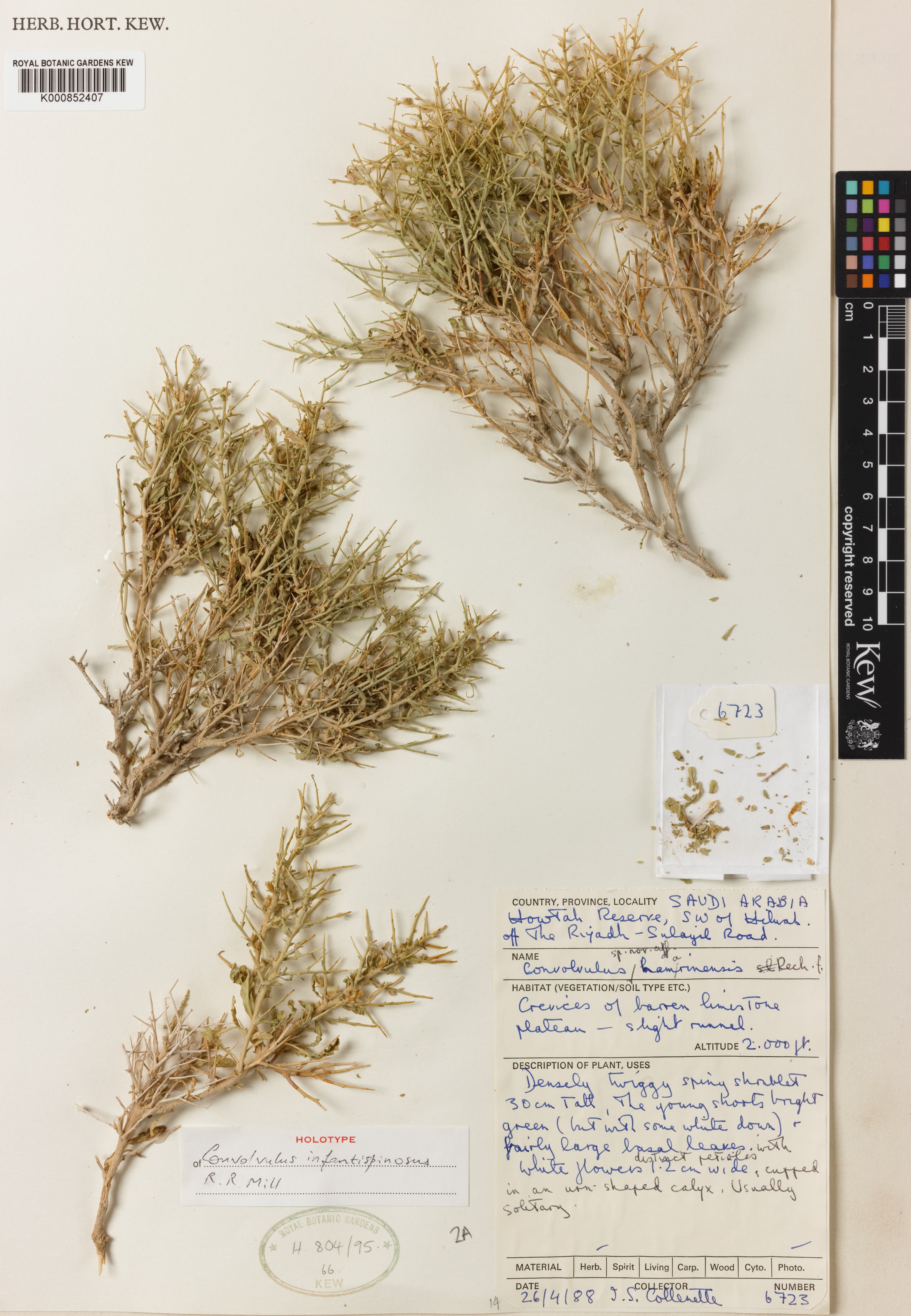
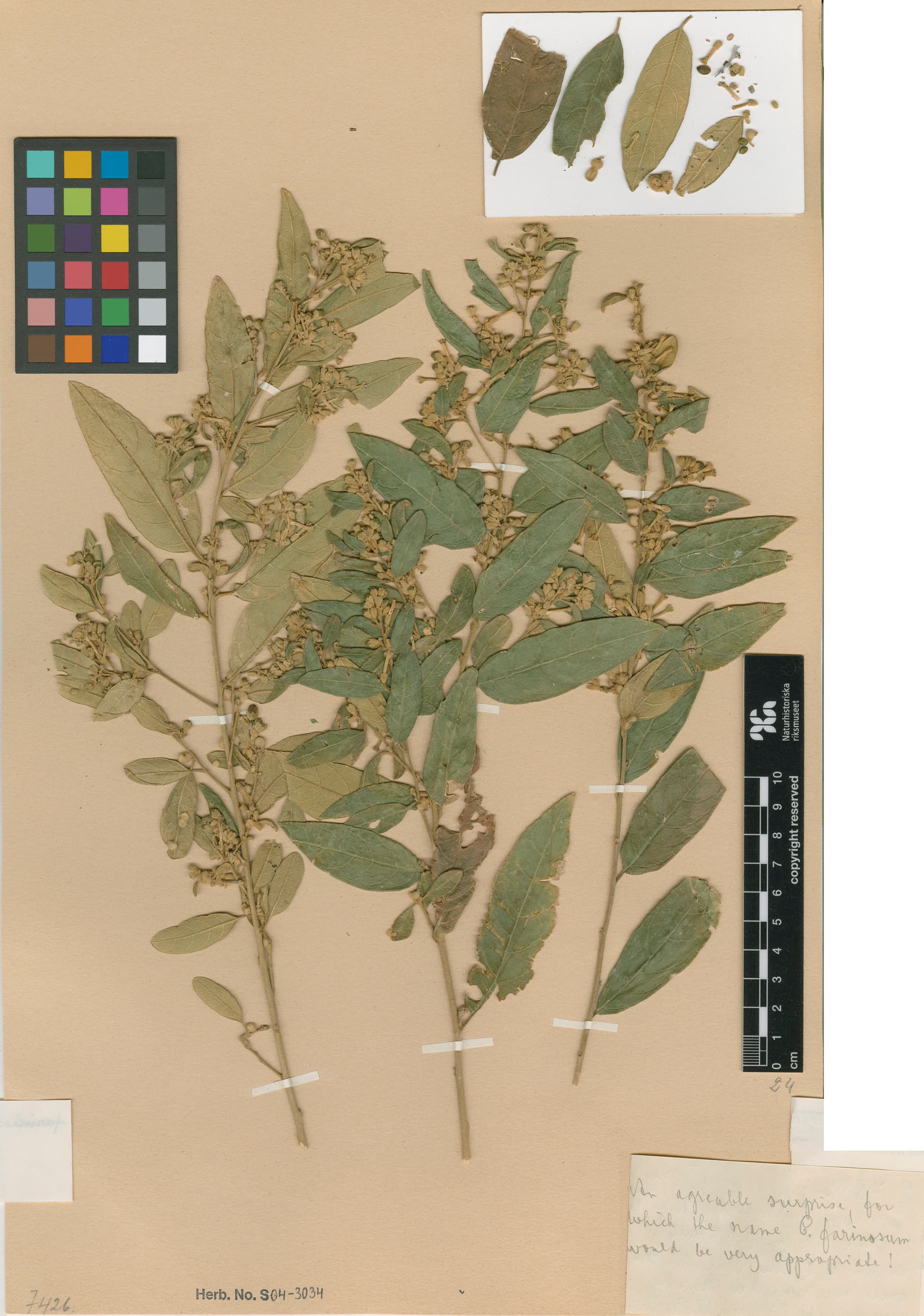
Cestrum farinosum is a shrub or small tree, as evidenced by the woody stems and persistent leaves on the herbarium specimen. It features simple, alternate leaves and appears to produce small flowers or developing fruits in terminal or axillary clusters.