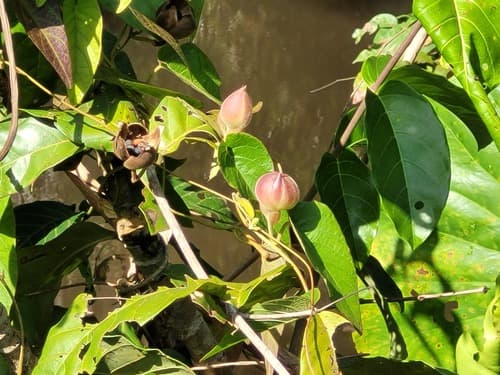
Netted Globecherry
NameNetted Globecherry
Scientific NameSolanum sarrachoides
Common NamesNetted Globecherry, Hairy Nightshade, Leafy-fruited Nightshade, Sticky Nightshade
Plant FamilySolanaceae
Natural HabitatNative to South America, this plant is now a widespread weed found in disturbed areas, agricultural fields, gardens, roadsides, and waste places across temperate regions worldwide. It thrives in full sun to partial shade and well-drained soils.
Parts Usedwhole_plant,leaf,fruit
Medicinal Actionsanti-inflammatory, antimicrobial, antioxidant
Traditional UsesDue to its toxicity, *Solanum sarrachoides* is not widely used in traditional medicine. However, some related *Solanum* species have been cautiously employed in traditional systems for external applications like poultices for skin conditions, or internally in highly controlled, minute doses for pain relief or as a sedative, always with significant risk.
Active Constituentssteroidal glycoalkaloids (e.g., solanine, solamargine, solasonine), saponins, flavonoids, phenolic compounds
Preparation Methodspoultice, salve, powder
Contraindications & WarningsAll parts of the plant, especially the unripe berries, are considered toxic due to the presence of steroidal glycoalkaloids. Ingestion can cause severe gastrointestinal upset, neurological symptoms, and can be fatal. It should not be used internally without expert supervision and is contraindicated during pregnancy and lactation.
Cultivation NotesTypically considered a weed, *Solanum sarrachoides* is not intentionally cultivated for medicinal purposes. It is an annual plant that readily self-seeds and can be invasive, preferring disturbed soils and full sun to partial shade.
Raritycommon
Description
Netted Globecherry (*Solanum sarrachoides*) is an annual herbaceous plant characterized by its hairy stems and leaves. It produces small, white, star-shaped flowers followed by dark purple to black, globe-shaped berries that are partially enclosed by the persistent calyx.