Cestrum contrerasianum
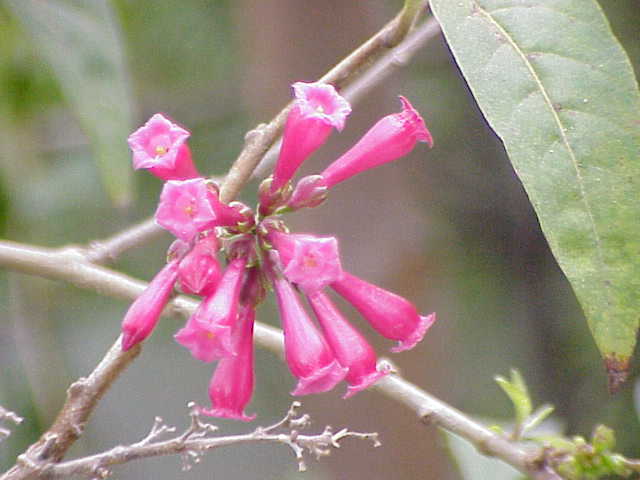
Image: Breedlove, Dennis E. (cc0)
NameCestrum contrerasianum
Scientific NameCestrum contrerasianum A.K.Monro
Plant FamilySolanaceae
Natural HabitatThis species is found on high-elevation slopes (2400 m) in Chiapas, Mexico, growing in association with Pinus, Quercus, and Arbutus trees. The specific collection site was a logging road near Laguna Chamula microwave station in the Municipio of Comitán de Domínguez.
Parts Usedleaf,flower,whole_plant
Traditional UsesSpecific traditional medicinal uses for Cestrum contrerasianum are not well-documented in ethnobotanical literature. Many species within the Cestrum genus are known for their toxicity rather than widespread medicinal applications.
Active Constituentssteroidal glycoalkaloids, saponins
Contraindications & WarningsDue to the presence of potentially toxic compounds, such as steroidal glycoalkaloids, common in the Cestrum genus, Cestrum contrerasianum should be considered potentially poisonous. Ingestion is not recommended, and specific safety data for this species is lacking.
Cultivation NotesThis species has been successfully cultivated from seed, with specimens originating from Chiapas, Mexico, grown at U.C. Berkeley. It likely thrives in well-drained soil and conditions mimicking its native high-elevation, pine-oak forest habitat.
Rarityuncommon
Description
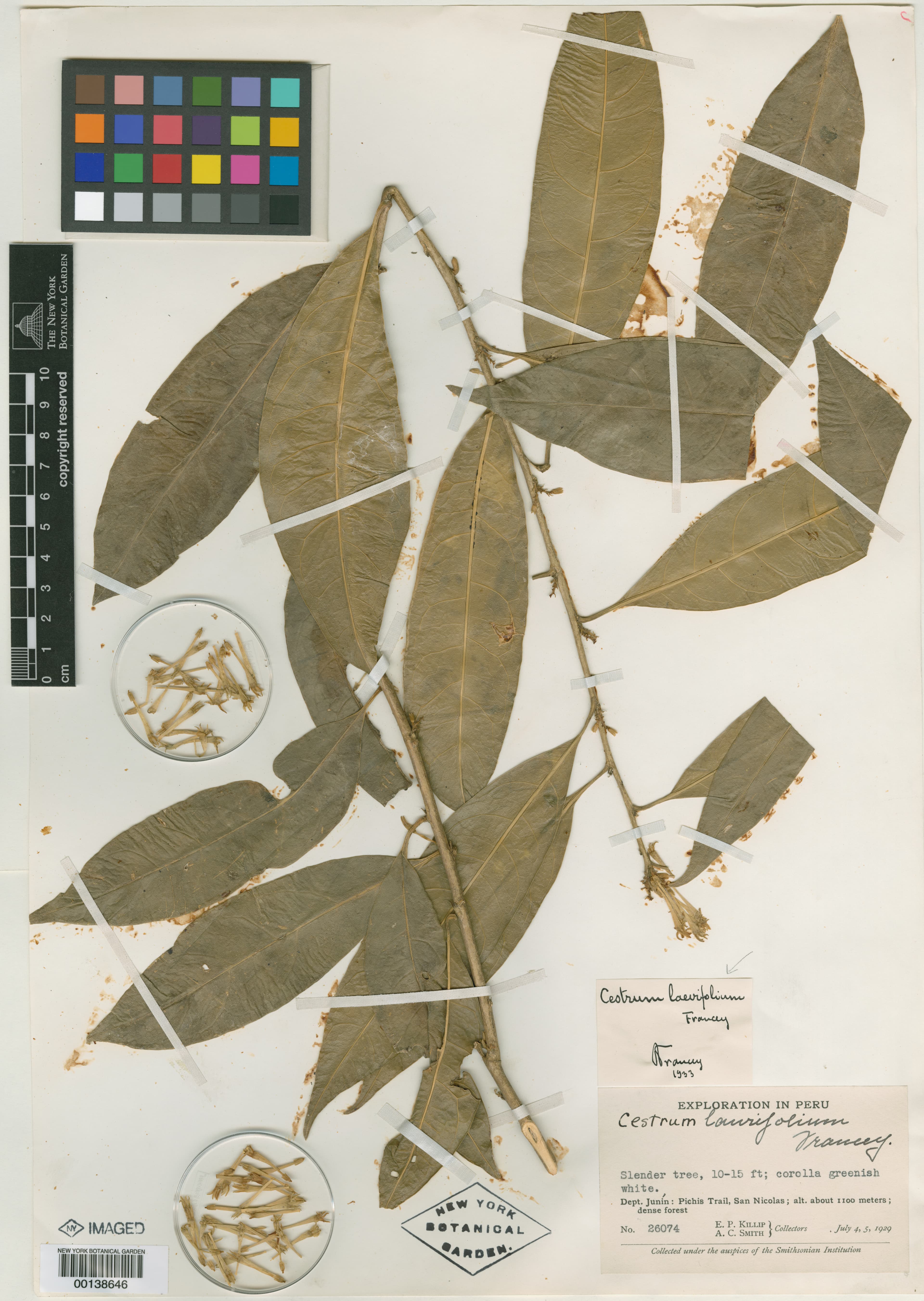
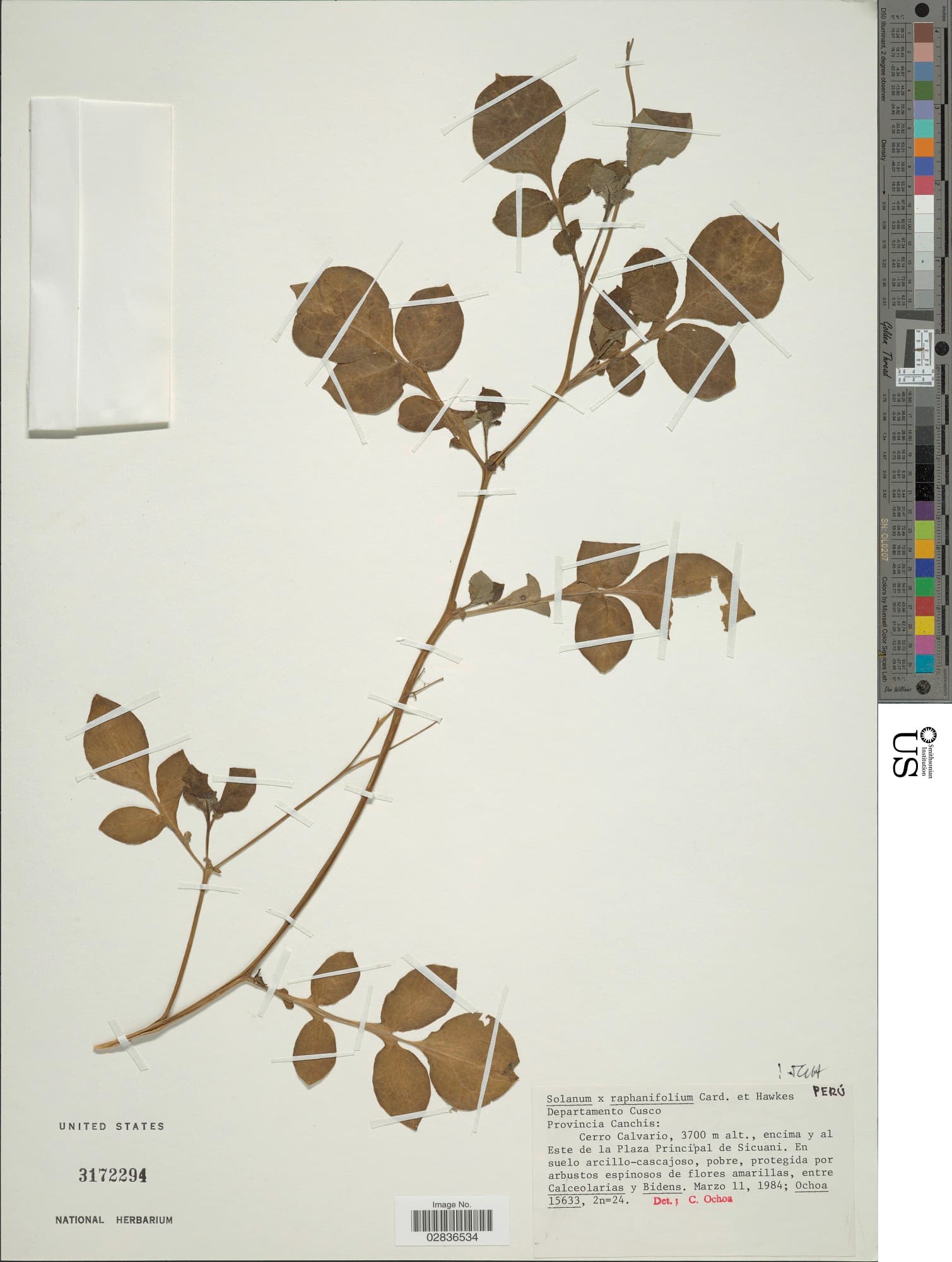
Cestrum contrerasianum is a woody shrub or small tree, as evidenced by the herbarium specimen showing branched stems. It features simple, alternate leaves and clusters of tubular, yellowish-orange flowers, characteristic of the genus Cestrum.