glabrousleaf cestrum
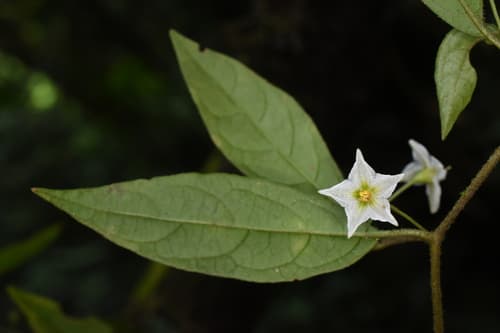
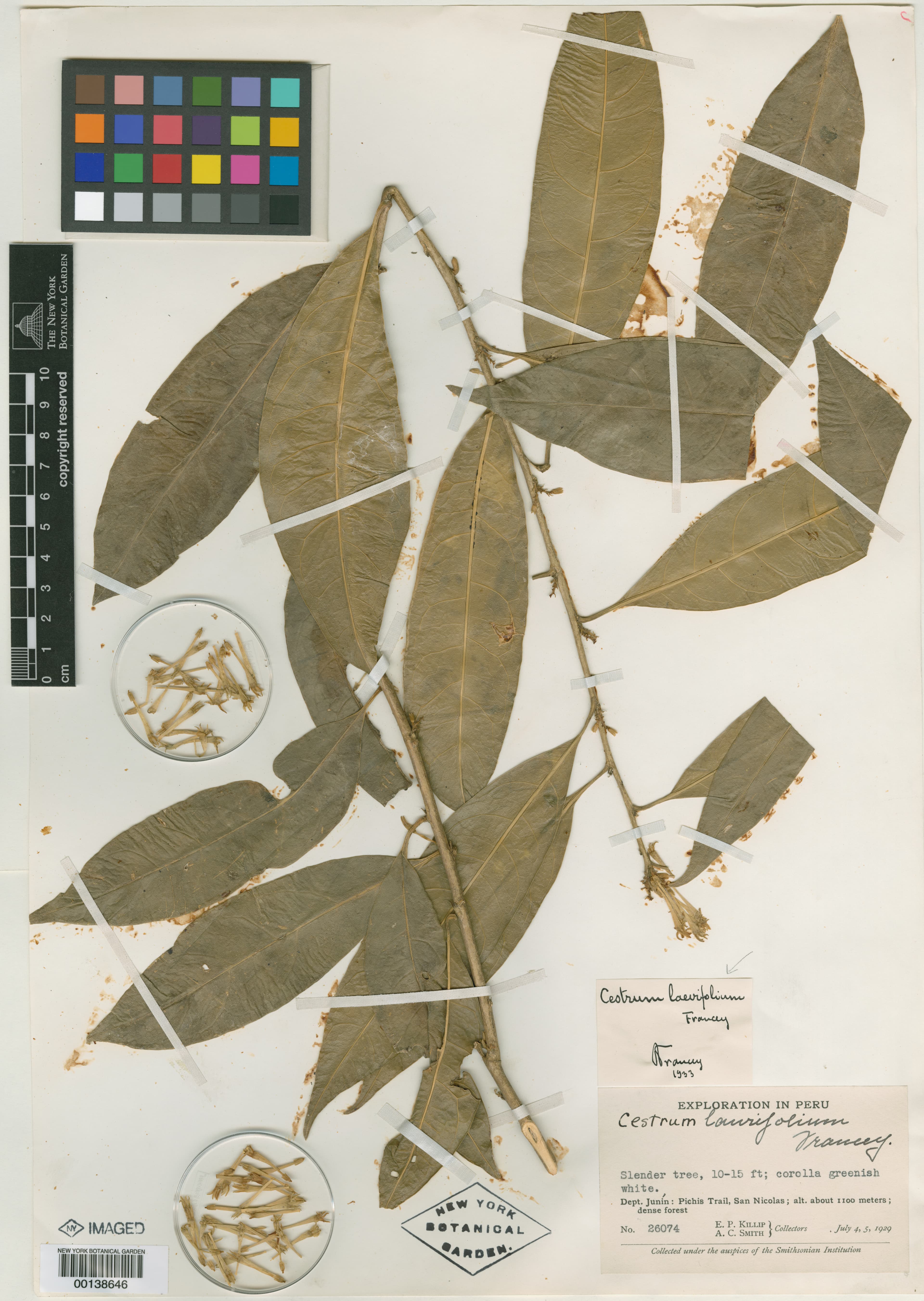
Image: The New York Botanical Garden (cc-by)
Nameglabrousleaf cestrum
Scientific NameCestrum laevifolium Francey
Common Namesglabrousleaf cestrum
Plant FamilySolanaceae
Natural HabitatNative to dense forests in the Junín region of Peru, found at altitudes around 1100 meters.
Parts Usedleaf,flower
Medicinal Actionsanalgesic, anti-inflammatory, antimicrobial
Traditional UsesWhile *Cestrum laevifolium* is primarily known for its toxicity, some species within the *Cestrum* genus have been traditionally used in folk medicine for conditions such as fever, pain, and inflammation, and for treating skin ailments. However, all parts of *C. laevifolium* are considered highly toxic due to steroidal glycoalkaloids, and any traditional use would involve extreme caution and specialized knowledge, often for external application or in highly diluted forms. Internal use is generally not recommended due to severe poisoning risk.
Active Constituentssteroidal glycoalkaloids
Preparation Methodspoultice, decoction
Contraindications & WarningsAll parts of *Cestrum laevifolium* are considered highly toxic, containing steroidal glycoalkaloids. Ingestion can cause severe poisoning, affecting the nervous and digestive systems. It is particularly known to be toxic to livestock and should be considered highly dangerous for human consumption. Avoid contact with skin and eyes, and do not ingest.
Cultivation NotesRequires a warm climate and well-drained soil. Prefers full sun to partial shade. Due to its toxicity, it is not recommended for cultivation in areas accessible to children or pets.
Rarityuncommon
Description
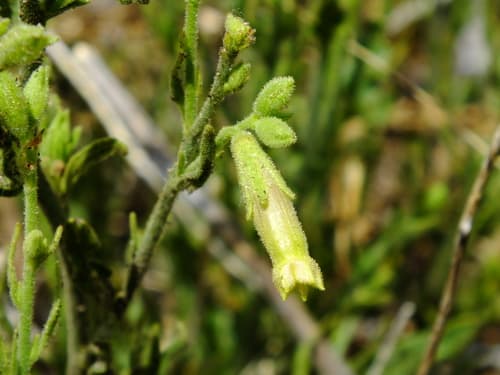
A slender tree, typically growing 10-15 feet tall, characterized by its smooth, glabrous leaves. The leaves are simple, alternate, and entire. The flowers feature a greenish-white corolla.