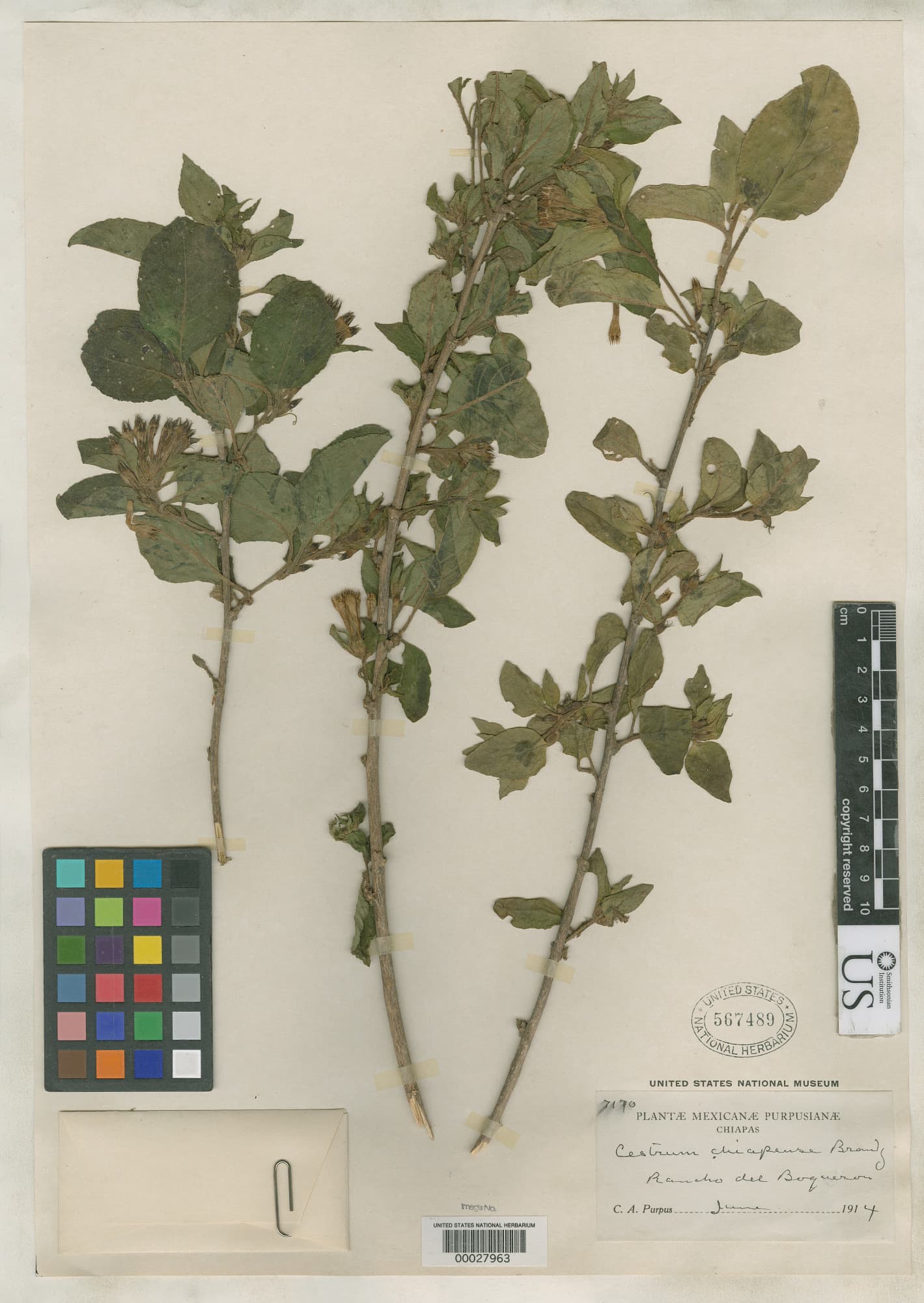
Cestrum chiapense
Image: Ingrid P. Lin (cc0)
NameCestrum chiapense
Scientific NameCestrum chiapense Brandegee
Plant FamilySolanaceae
Natural HabitatNative to Chiapas, Mexico, this species thrives in tropical to subtropical climates. It is often found in disturbed areas, forest edges, or open woodlands within its native range.
Parts Usedleaf,flower,whole_plant
Medicinal Actionsanalgesic, anti-inflammatory, antimicrobial
Traditional UsesWhile some species within the *Cestrum* genus have been anecdotally used in folk medicine for properties such as pain relief, anti-inflammatory effects, or antimicrobial activity, specific traditional medicinal uses for *Cestrum chiapense* are not well-documented. The plant is generally considered toxic and its use in herbal medicine is not recommended.
Active Constituentssteroidal saponins, glycoalkaloids, glycosides
Preparation Methodsinfusion, decoction, tincture
Contraindications & WarningsAll parts of *Cestrum chiapense* should be considered potentially toxic. Ingestion can cause severe gastrointestinal upset, neurological symptoms, and can be fatal, especially to livestock. Skin contact may cause dermatitis. Due to its toxicity, internal use is strongly contraindicated and not recommended.
Cultivation NotesThis species thrives in warm, subtropical to tropical climates. It prefers well-drained soil and can tolerate conditions ranging from full sun to partial shade. As a woody shrub, it may benefit from occasional pruning.
Rarityuncommon
Description
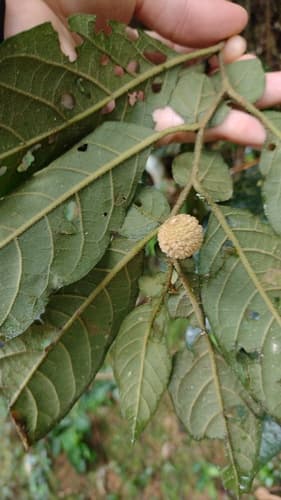
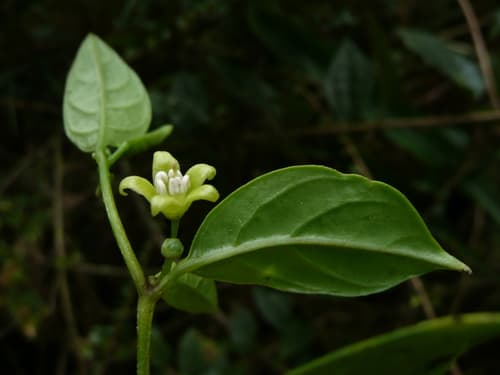
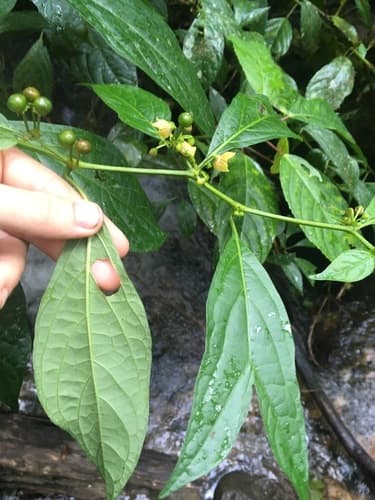
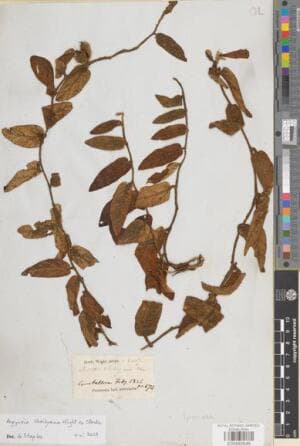
Cestrum chiapense is a woody shrub characterized by simple, alternate, ovate to elliptic leaves with entire margins. It produces clusters of tubular flowers, typically found in axillary or terminal inflorescences. The specimen shows slender, woody stems.