Capsicum coccineum
NameCapsicum coccineum
Scientific NameCapsicum coccineum
Common NamesScarlet Pepper, Aji Pepper
Plant FamilySolanaceae
Natural HabitatNative to tropical and subtropical regions of Central and South America, it is often found in disturbed areas, forest edges, and along riverbanks.
Parts Usedfruit,seed
Medicinal Actionsanalgesic, anti-inflammatory, antioxidant
Traditional UsesTraditionally used as a stimulant, digestive aid, and for pain relief. Topically applied for muscle aches, arthritis, and neuralgia. Internally, it can promote circulation and act as a diaphoretic.
Active ConstituentsCapsaicinoids, Carotenoids, Vitamin C
Preparation Methodspowder, tincture, poultice, infusion
Contraindications & WarningsAvoid contact with eyes and mucous membranes. Can cause skin and gastrointestinal irritation. Not recommended for individuals with gastric ulcers, IBS, or severe digestive inflammation.
Cultivation NotesThrives in warm, humid climates with full sun and well-drained, fertile soil. Requires consistent watering and protection from frost. Can be propagated from seeds.
Raritycommon
Description
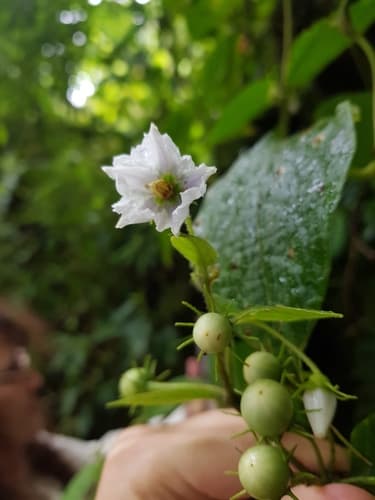
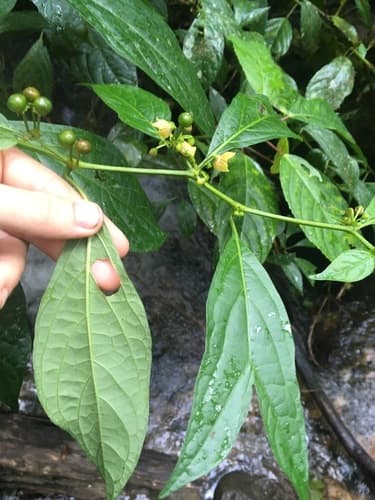
Capsicum coccineum is a perennial shrub or small tree, often characterized by its small, typically scarlet-red, round to ovoid fruits. It features simple, ovate to lanceolate leaves and small, usually white or pale yellow flowers with distinct yellow or brown spots.