Guarana
NameGuarana
Scientific NamePaullinia cupana
Common NamesGuarana, Brazilian Cocoa, Guaraná
Plant FamilySapindaceae
Natural HabitatNative to the Amazon rainforest, thriving in tropical, humid climates with rich soil, particularly in Brazil and Venezuela.
Parts Usedseed
Medicinal Actionsantioxidant, nervine
Traditional UsesTraditionally used by indigenous Amazonian tribes as a stimulant to reduce hunger, thirst, and fatigue, and to treat headaches and fever. Today, it is widely consumed in energy drinks and supplements for its stimulating effects, enhancing mental alertness and physical endurance.
Active Constituentscaffeine, theobromine, theophylline, tannins, saponins, catechins
Preparation Methodspowder, infusion, tincture
Contraindications & WarningsDue to its high caffeine content, guarana is contraindicated for individuals with anxiety disorders, heart conditions, high blood pressure, and insomnia. It should be avoided during pregnancy and breastfeeding, and may interact with blood thinners, other stimulants, and certain medications.
Cultivation NotesRequires a tropical climate with high humidity and consistent warm temperatures. Prefers well-drained, fertile soil and partial shade when young, transitioning to full sun as it matures. It can be propagated from seeds or cuttings.
Raritycommon
Description
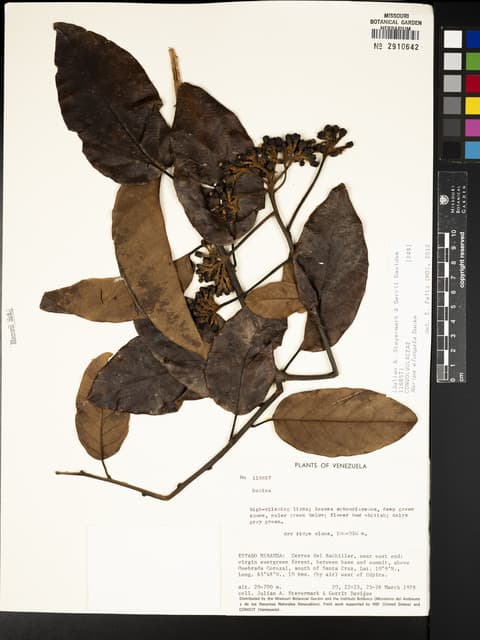
Guarana is a climbing plant native to the Amazon basin, primarily cultivated for its seeds. The fruit is about the size of a coffee berry, containing black seeds covered by a white aril, giving it an 'eyeball' appearance. Its seeds are notably rich in caffeine and other stimulating compounds.