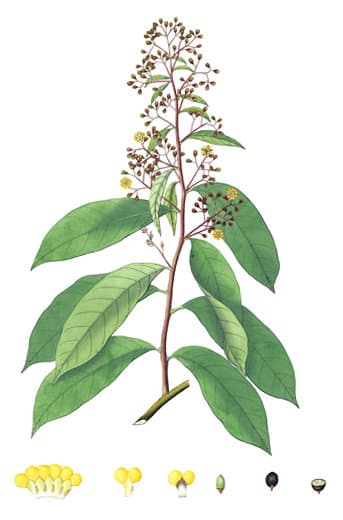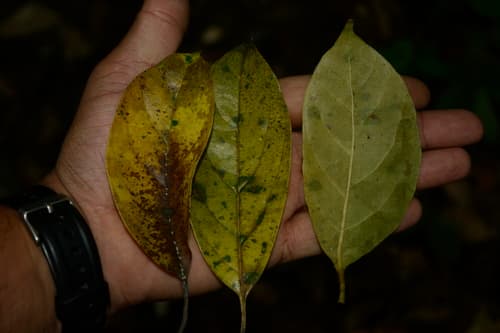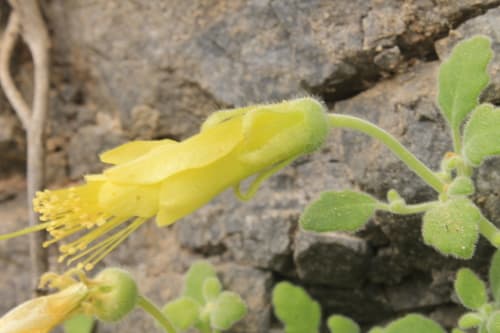
Cestrum capsulare
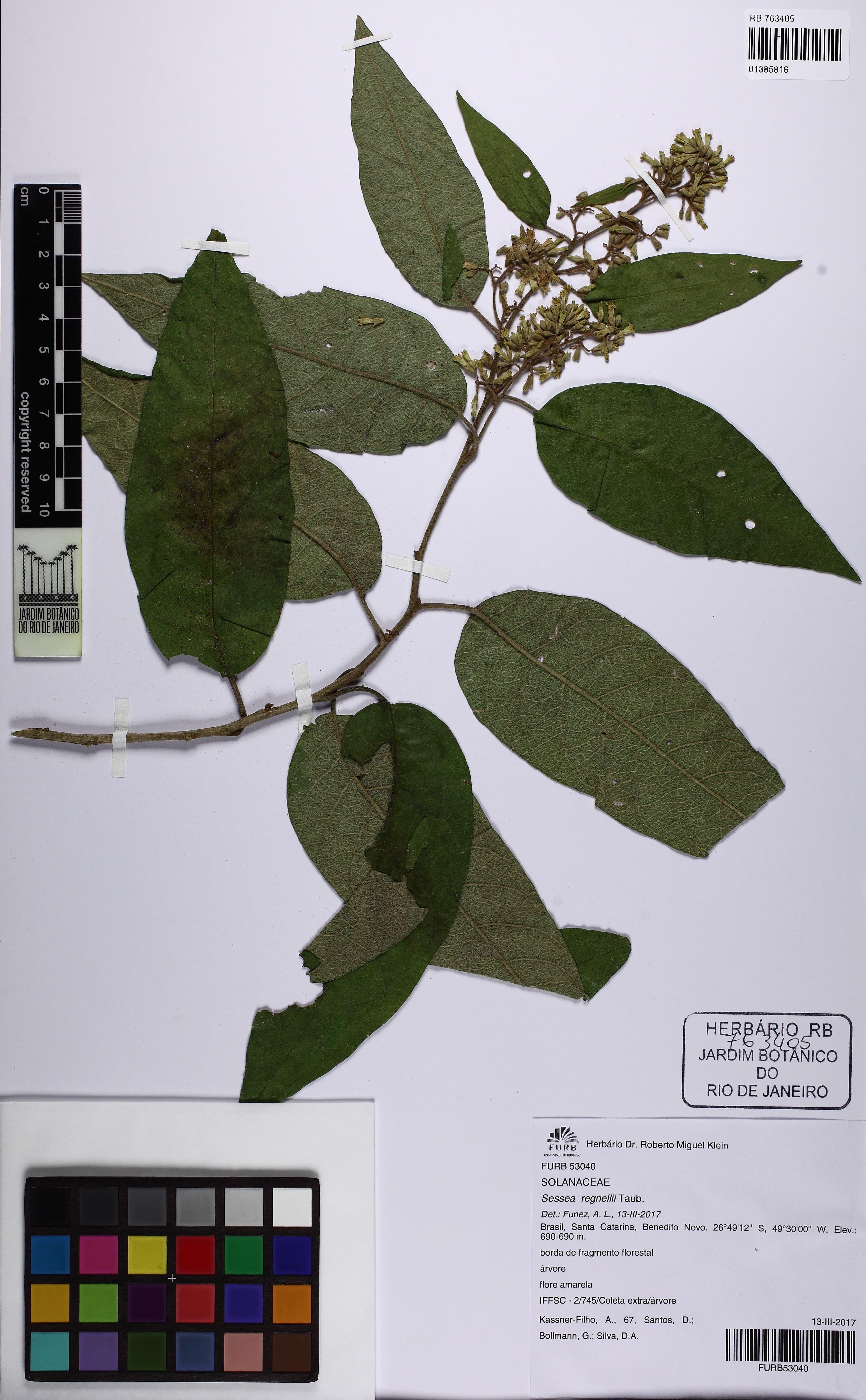
Image: Kassner-Filho, A.; Santos, D.; Bollmann, G.; Silva, D.A. (cc-by)
NameCestrum capsulare
Scientific NameCestrum capsulare
Plant FamilySolanaceae
Natural HabitatTypically found in tropical and subtropical regions of South America, often thriving in forest edges, secondary growth, and disturbed areas. It prefers moist, well-drained soils.
Parts Used
Traditional UsesWhile some species within the Cestrum genus have been traditionally used for various ailments, specific well-documented medicinal uses for Cestrum capsulare are scarce. The genus is generally known for containing toxic compounds, and internal use is often discouraged.
Active ConstituentsSteroidal glycoalkaloids, Saponins, Flavonoids
Contraindications & WarningsAll parts of Cestrum capsulare, especially the berries, are considered toxic. Ingestion can cause gastrointestinal distress, neurological symptoms, and other adverse effects. It should not be used internally and handled with caution. Avoid use by pregnant or nursing individuals and children.
Cultivation NotesThis species is relatively easy to cultivate in tropical and subtropical climates. It prefers full sun to partial shade and well-drained soil. It can be grown as an ornamental shrub or small tree.
Raritycommon
Description
Cestrum capsulare is a shrub or small tree native to South America, characterized by simple, alternate leaves and clusters of small, tubular flowers. It produces distinctive berry-like fruits, often red or purple, which are the 'capsules' referenced in its name.